Best Car Component Speakers for Car Audio Upgrade (2026)
We selected speakers based on fit (mount size and impedance), intended role (midrange/component vs full-range), measurable specs, and value across common price bands
The Verdict
- Best Overall: DS18 PRO-GM6B 6.5" Midrange Loudspeaker, 8Ω — Best midrange value: 6.5" 8Ω midrange built for clearer midrange presence and easy integration
- Best Value: Crunch CS693 6x9 car speaker, 3-way full-range — Best full-range substitute: 6x9 three-way layout for broader frequency coverage without a separate component set
This roundup helps car audio shoppers compare component and midrange speakers for meaningful upgrades, prioritizing fit, sound role, and value. Selections focus on speaker type, impedance, mounting size and realistic performance for common car installs
Top Picks
-
1

Best Overall DS18 PRO-GM6B 6.5" Midrange Loudspeaker, 8Ω
Best midrange value: 6.5" 8Ω midrange built for clearer midrange presence and easy integration
Midrange driver with high-temperature coil for durable sound. Delivers strong power handling for clear vocals and instrumentals. Customers note solid sound quality and easy installation, though durability concerns exist
- high-temp voice coil
- impressive power handling
- clear midrange performance
-
2
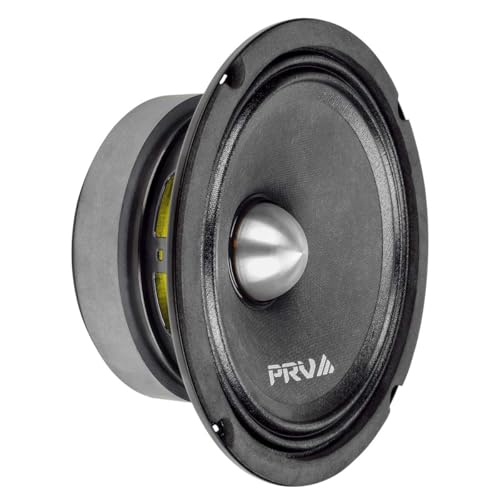
PRV audio 6.5 inch midrange bullet speaker 6mr400-4 4 ohm
Best bullet-style midrange: compact 6.5" 4Ω design for focused mids and high-power handling in tight spaces
Compact 6.5" midrange bullet speaker delivering clear, high-output sound for car audio. Noted for solid build quality and good value from customers
- bullet phase plug cooling
- 4 ohm impedance
- high-performance midrange
-
3
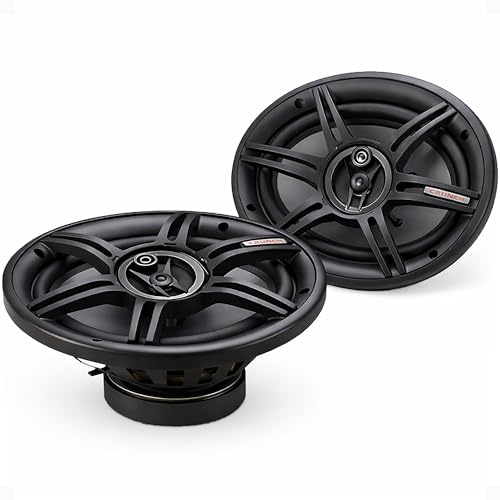
Best Value Crunch CS693 6x9 car speaker, 3-way full-range
Best full-range substitute: 6x9 three-way layout for broader frequency coverage without a separate component set
Crunch CS693 is a full-range 6 x 9-inch car speaker with a 3-way design for clear sound and reliability. Customers note crisp sound and easy installation, though build quality and durability vary
- neo-mylar tweeter elements
- silver alpha-cellulose cones
- anti-resonant basket
-
4

MX65E2 6.5 in Car Speaker Pair, 4 Ohm, 480W peak
Best high-power pair option: 6.5" 4Ω speakers rated for high peak power to handle dynamic source material
Premium 6.5-inch midrange car speakers delivering clear, midrange-focused sound. Noted for solid build quality and good value by customers
- 6.5 inch midrange with 94dB sensitivity
- 4 ohm impedance for efficiency
- robust peak and RMS power handling
-
5

Pyle 6.5'' 2-Way Component Speaker System (PLG6C) 400W
Best 2-way component starter: 6.5" component kit that provides a straightforward upgrade path for clearer mids
2-way component car speakers with 6.5-inch woofer, 40 oz magnet, and silk dome tweeter for wide range. Includes wire installation hardware. Customer notes good sound quality and easy installation, with mixed reports on durability and fit
- 6.5-inch woofer with poly cone
- 40 oz magnet and electroplated basket
- 0.5 inch silk dome tweeter
-
6
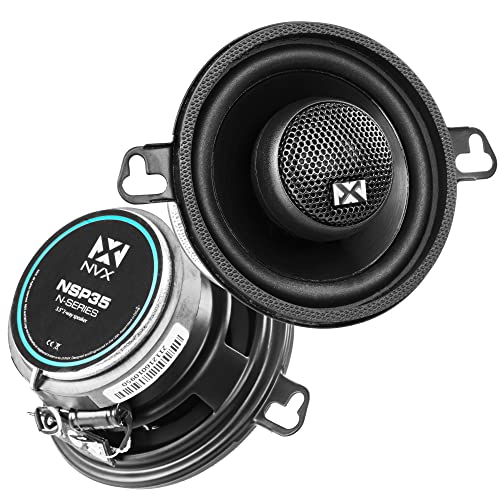
NVX NSP35 car component speakers
Best balanced component choice: component speakers engineered for consistent mid/high performance in system builds
Compact car speaker set with 40W RMS power and a 20mm silk dome tweeter for clear highs and mids. Customers note easy installation and good value for money, though durability concerns exist
- silk dome tweeter
- 40W RMS power
- easy installation
-
7

RECOIL Echo Series 5.25 in Component Speaker System
Best compact component set: 5.25" system with silk-dome tweeters for smooth highs in shallow-mount locations
Compact car component speaker system with 5.25-inch woofers and silk dome tweeters for clear highs. Customers note strong sound and ease of installation, with fuller mids reported by some users
- high power handling for tweeters
- flexible tweeter mounting
- durable cone and surround construction