Best Monoculars for Bird Watching (2026)
We selected models based on optical specifications, build features (waterproofing, armor), practical accessories (adapters, tripods), and overall value for bird-watching use
The Verdict
- Best Overall: Monocular Telescope 10x42, compact waterproof monocular — Best compact pick: lightweight and waterproof design for easy handheld bird watching on short outings
This roundup helps birders choose a monocular by ranking compact, waterproof, and high-magnification options by fit and value for field use. Picks were chosen for optical design, build quality, and practical features like waterproofing, prism type, and smartphone compatibility
Top Picks
-
1

Best Overall Monocular Telescope 10x42, compact waterproof monocular
Best compact pick: lightweight and waterproof design for easy handheld bird watching on short outings
Compact 10x42 monocular with 42mm objective lens for clear distant viewing. Large eyepiece and fully multi-coated lenses reduce light loss; lightweight for one-handed use. Customers note easy focus and solid optics at a good value
- 10x magnification with 42mm objective
- large eyepiece for comfort
- fully multi-layer coated optics
-
2

Pankoo 12x60 monocular telescope for adults
Best for long-distance viewing: higher 12x magnification and large objective lens for detailed distant birds
Compact monocular with 12x magnification and 60mm objective lens for easy one-handed use. Great for bird watching and nature viewing, with clear optics and lightweight design according to customers
- high power 12x60 optics
- large FOV 325 ft/1000 yds
- one-handed operation
-
3
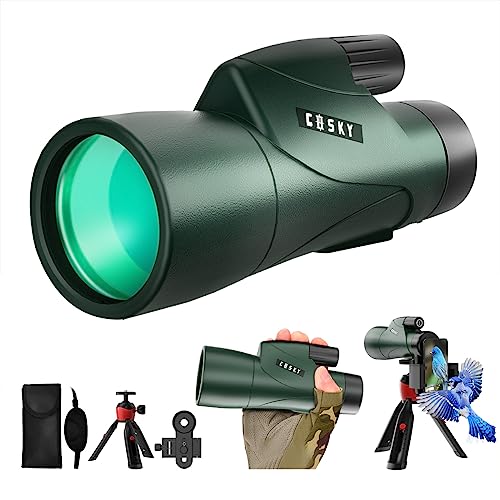
Gosky 12x55 HD Monocular—BAK-4, FMC, smartphone adapter
Best for digiscoping: 12x55 optics with FMC coatings and a smartphone adapter for easy bird photos
Compact monocular with 12x55 magnification and FMC lens for clear images. One-handed use noted by customers, plus lightweight design for easy portability
- HD optical clarity with FMC coating
- high power magnification for distance viewing
- lightweight handheld design
-
4
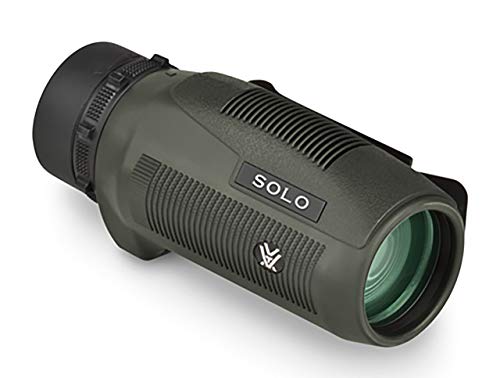
Vortex Solo Monocular 10x36
Best durable performer: compact 10x36 construction with full coatings and rubber armor for rugged field use
Compact monocular with 10x36 optics and rubber armor for a non-slip grip. Delivers clear images with fully multi-coated lenses; customers cite lightweight design and solid construction for portability and rugged use
- crystal-clear viewing
- compact and durable design
- full rubber armor for grip
-
5

Gosky 15x55 HD Monocular with BAK-4 Prism & FMC Lens
Best high-magnification option: 15x power with BAK-4 prism and FMC lens for maximum detail at range
A lightweight monocular with 15x55 magnification and fully multi-coated optics for clear distant viewing. Customers note sharp images, easy one-handed use, and good value for the price
- high power magnification with large objective
- premium optical coatings for brightness
- lightweight, portable design
-
6

Wingspan 12x50 Monocular
Best balanced choice: 12x50 configuration that blends low-light performance with waterproof, fog-proof durability
12x50 monocular with single-handed focus, waterproof and fog proof for clear viewing. Customers note crystal optics, easy one-handed operation, and good value for money
- powers up to 12x with 50mm lens
- waterproof and fog proof
- compact, single-hand operation