Best USB Flash Drives (2026 Guide)
We ranked drives by aggregated star ratings and review volume, then filtered for a range of capacities, connector types, and pack sizes relevant to general consumers
The Verdict
- Best Overall: SanDisk 512GB Ultra USB 3.0 Flash Drive — Best single-drive value: reliable high-capacity USB-A performance suited for large file transfers
- Best Value: SanDisk 64GB Ultra Dual Drive USB Type-C (Pack of 3) — Best for mixed devices: three dual USB-C/USB-A drives that simplify transfers between phones and PCs
This roundup compares top-rated USB flash drives across capacities, connector types, and multi-pack options to help you pick the right portable storage. Selections were based on aggregate user ratings, review volume, connector (USB-A vs USB-C), capacity, and overall value
Top Picks
-
1
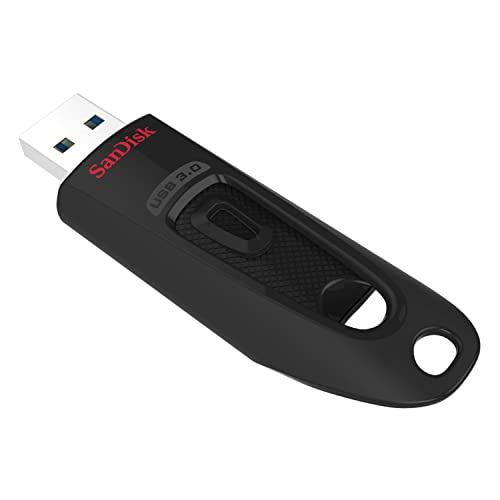
Best Overall SanDisk 512GB Ultra USB 3.0 Flash Drive
Best single-drive value: reliable high-capacity USB-A performance suited for large file transfers
High-capacity USB 3.0 flash drive with fast read speeds and secure password protection. Customers praise reliability, storage capacity, and transfer speed
- up to 130MB/s read speed
- USB 3.0 interface
- encrypted/password-protected storage
-
2

PNY 128GB Turbo Attache 3 USB 3.0 Flash Drive 5-Pack
Best multi-pack for sharing: five USB-A drives that simplify distribution and backups for small teams
Compact USB 3.0 flash drives with up to 100MB/s read speeds and cap-less design for portable data storage. Customers note fast transfer speeds and good value, with mixed reliability feedback
- up to 100MB/s read speeds
- 5-pack for multiple devices
- sliding collar design
-
3

PNY 256GB Turbo Attache 3 USB 3.0 Flash Drive 3-Pack
Best mid-capacity multi-pack: three drives offering a balance of storage and convenience for multiple users
Compact 3-pack USB 3.0 flash drives with up to 100MB/s read speeds and cap-less design. Noted for fast transfer and lightweight durability, suitable for large file transfers
- cap-less design
- up to 100MB/s read speed
- 3-pack value
-
4

Best Value SanDisk 64GB Ultra Dual Drive USB Type-C (Pack of 3)
Best for mixed devices: three dual USB-C/USB-A drives that simplify transfers between phones and PCs
USB-C flash drive kit for transferring files across smartphones, tablets, and computers. Frees up space on Android devices and supports Windows Vista compatibility. Customers note reliable function and mixed opinions on size and speed
- usb-c compatibility
- multi-device transfer
- pack of 3 units
-
5
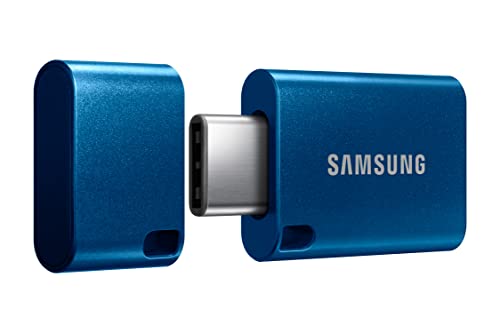
Samsung USB-C flash drive 256GB USB 3.2 Gen 1
Best USB-C speed option: NVMe-class interface performance with native USB-C compatibility for modern hosts
Compact USB-C flash drive with fast transfer speeds up to 400MB/s. Compatible with USB 3.0/2.0, waterproof design, and Samsung NAND reliability. Customers note size, speed, and ease of use; some report compatibility issues
- up to 400MB/s read speeds
- USB-C portable form factor
- backward compatible with USB 3.0/2.0
-
6

PNY 512GB Turbo Attache 3 USB 3.2 Flash Drive
Best high-capacity single drive: roomy 512GB storage with a newer USB 3.2 interface for faster transfers
USB 3.2 flash drive with up to 100MB/s read speeds and cap-less design for portable storage. Customers note fast speed and large capacity, with some reliability mixed
- read speeds up to 100MB/s
- cap-less, slide design
- large 512GB capacity
-
7

SanDisk Ultra Dual Drive USB-C 128GB (Pack of 4) gray
Best budget multi dual-drive pack: four dual-connector drives offering flexibility for mixed-device use
USB-C and USB-A flash drive with up to 150MB/s read speeds; transfers between smartphones, tablets, and computers. Per-pack info noted; some users report heat during use
- dual USB-C and USB-A connectors
- retractable design
- up to 150MB/s read speeds
-
8

TOPESEL 16GB USB 3.0 Flash Drive 10Pack (Mixed Colors)
Best low-capacity bulk option: ten colorful 16GB drives suited for giveaways, classrooms, or light file sharing
TOPESEL 16GB USB 3.0 flash drives in a 10-pack. Fast transfer for HD media and documents with broad compatibility across Windows, Mac, Linux. Customer note mentions good value and color variety for organization
- usb 3.0 interface
- 10-pack to cover multiple devices
- 16gb capacity per drive
-
9

SAMSUNG FIT Plus 256GB USB 3.1 Flash Drive
Best compact performance: ultra-compact drive that stays flush with ports and handles frequent daily use
Compact USB 3.1 flash drive for photos, videos, music, and files. Notable for its storage capacity and quick transfers, with mixed compatibility feedback from users
- 256GB capacity
- USB 3.1 performance
- compact form factor
-
10

Enfain USB 3.0 32GB flash drives (10-pack)
Best ten-pack standard option: ten modest-capacity USB 3.0 drives that balance quantity with decent transfer speed
Compact USB 3.0 flash drives: 32 GB each, 10-pack for versatile data transfer and storage. Users note reliable functionality and value, with some mixed feedback on speed
- 10-pack for bulk storage
- 32 GB per drive
- USB 3.0 performance