Best First Aid Cleansing Cloths & Wipes for First Aid Kits (2026)
We evaluated antiseptic chemistry, packaging type (individual sterile packets vs bulk), latex and skin‑safety features, and overall value for first aid kit use
The Verdict
- Best Overall: Dealmed Alcohol Prep Pads 2000 Count – Latex-Free Sterilized Wipes — Best for bulk stocking: large latex‑free alcohol pad count ideal for clinics and high‑use first aid kits
This roundup covers first aid cleansing cloths and wipes suited for home, workplace, and travel kits, ranked by fit and value for common wound‑care needs. Picks were chosen for antiseptic type, packaging format, sterilization, and suitability for multi‑use or bulk stocking
Top Picks
-
1
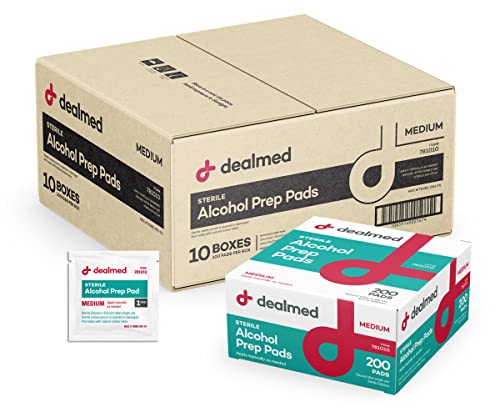
Best Overall Dealmed Alcohol Prep Pads 2000 Count – Latex-Free Sterilized Wipes
Best for bulk stocking: large latex‑free alcohol pad count ideal for clinics and high‑use first aid kits
Alcohol prep pads for wound care and surface cleaning. latex-free, medicated moisture helps prevent drying. customers note good quality and moisture, with mixed views on size and thickness
- latex-free
- high moisture content
- large count
-
2

McKesson Obstetrical Antiseptic Towelettes, Sterile, Individual Pack
Best for sterile single‑use needs: individually wrapped obstetrical antiseptic towelettes designed for clean wound care
Sterile antiseptic wipes in individual packets for cleansing. Provides moisture for sanitization and is convenient to carry. Customers note quality, value, and usefulness in first aid kits
- sterile, individually packed
- adequate moisture for sanitization
- convenient travel-friendly size
-
3

Dynarex BZK Antiseptic Towelettes 5x7 (1000)
Best for BZK preference: benzalkonium‑chloride antiseptic towelettes in a high‑quantity format for first aid cleaning
Antiseptic wipes with benzalkonium chloride for cleansing wounds when soap and water aren’t available. Individually wrapped for easy storage. One customer note highlights high quality and portability among first aid kits
- benzalkonium chloride antiseptic
- individually wrapped
- case of 1000 for bulk use