Best Anatomy (Books) Under $200 (2026)
We selected titles under $200 with strong author credentials, focused subject coverage, and high informational value as measured by a composite value score
The Verdict
- Best Overall: Netter's Concise Orthopaedic Anatomy Updated Edition — Best for musculoskeletal reference: concise orthopaedic anatomy with clear organization for clinicians and students
- Best Premium: Plant Cell Culture Protocols (Methods in Molecular Biology, 318) — Best for plant researchers: detailed, protocol-focused molecular biology volume ideal for lab methods and cell-culture work
This roundup highlights anatomy and physiology books under $200 chosen for clear organization, authoritative authorship, and practical value for home study or clinical reference. Selections were ranked by a value score that weighs content depth, relevance to anatomy or physiology, and reader usability
Top Picks
-
1
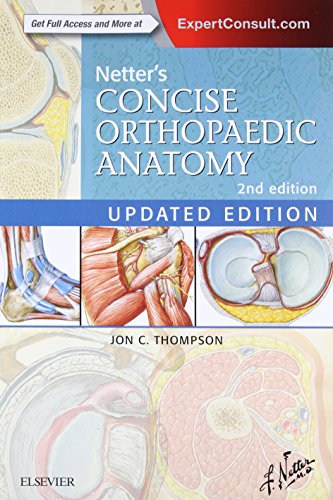
Best Overall Netter's Concise Orthopaedic Anatomy Updated Edition
Best for musculoskeletal reference: concise orthopaedic anatomy with clear organization for clinicians and students
Concise orthopaedic anatomy reference with detailed illustrations and clear organization. Customers note its usefulness for orthotists and strong information content in a readable format
- clear organization
- illustrated content
- concise musculoskeletal concepts
-
2
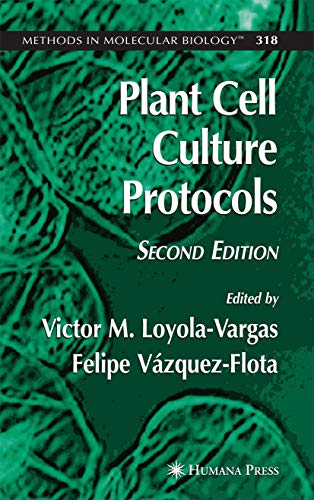
Best Premium Plant Cell Culture Protocols (Methods in Molecular Biology, 318)
Best for plant researchers: detailed, protocol-focused molecular biology volume ideal for lab methods and cell-culture work
A collection of plant cell culture protocols from the Methods in Molecular Biology series. Provides structured procedures and reference material for lab workflows. Customer note mentions detailed content for practitioners
- peer-reviewed source
- methods-focused
- specialized plant cell culture content
-
3

Evoked Spinal Cord Potentials: illustrated guide to physiology
Best for neurophysiology study: illustrated guide that clarifies evoked spinal cord potentials and related physiology
Illustrated guide covering physiology, pharmacology, and recording techniques of evoked spinal cord potentials. Useful for students and professionals seeking foundational and applied insights. Customer insight: unclear from data provided
- illustrated guide
- physiology and pharmacology basics
- recording techniques overview
-
4

Physiology for Anaesthesiologists
Best for anaesthesiology context: physiology text tailored to anaesthesiologists with clinical relevance and practical explanations
An anatomy-focused text for anaesthesiology professionals. Provides foundational physiology insights for clinical practice. Customer insight: the text is noted by readers but only minimal feedback is available
- professional focus on anaesthesiology
- anatomy-physiology integration
- compact reference format
-
5

The Physiology and Pathophysiology of Exercise Tolerance
Best for exercise physiology insight: focused examination of physiology and pathophysiology of exercise tolerance for clinicians and researchers
A comprehensive reference on exercise tolerance mechanisms and related physiology. Useful for researchers and students studying how exercise capacity is regulated. Customer insight: mixed signals on interpretations of content depth
- exercise tolerance mechanisms
- pathophysiology context
- physiological foundations of tolerance