Best Card Stock for Invitations (2026)
We weighed printability, paper weight (lb/GSM), sheet size, finish/color options, and per-sheet value when selecting these card stocks
The Verdict
- Best Overall: PrintWorks White Cardstock 8.5" x 11" 67 lb 750 sheets — Best for high-volume invites: lightweight 67 lb sheets in a large 750-count pack for consistent white printing
- Best Value: Springhill Goldenrod Colored Cardstock, 11x17, 67lb vellum — Best for bold color invites: 11×17 goldenrod vellum offers a distinctive colored base for creative layouts
This roundup helps you choose card stock for invitations by matching weight, finish, and sheet size to common invitation needs. Picks were selected for printability, paper weight range, color/finish options, and overall value from brands known in stationery and craft supplies
Top Picks
-
1
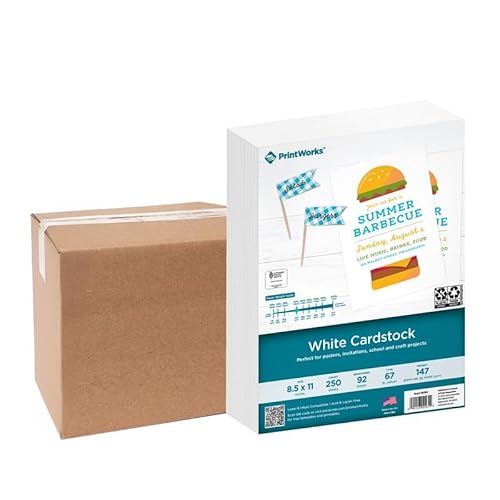
Best Overall PrintWorks White Cardstock 8.5" x 11" 67 lb 750 sheets
Best for high-volume invites: lightweight 67 lb sheets in a large 750-count pack for consistent white printing
White 8.5" x 11" cardstock; medium-weight, versatile for cards, invitations, crafts, and office papers. Customers note good quality and printer compatibility for digital printing
- cardstock for school, craft, and office
- printer-friendly
- vellum Bristol, 67 lb
-
2

Best Value Springhill Goldenrod Colored Cardstock, 11x17, 67lb vellum
Best for bold color invites: 11×17 goldenrod vellum offers a distinctive colored base for creative layouts
Colored vellum cardstock with textured finish for crisp, vibrant prints. Suitable for personal or professional printing and various projects. Customer notes good quality, value for money, and printer compatibility
- goldenrod color with vellum texture
- suitable for professional printing
- complimentary weight for various projects
-
3
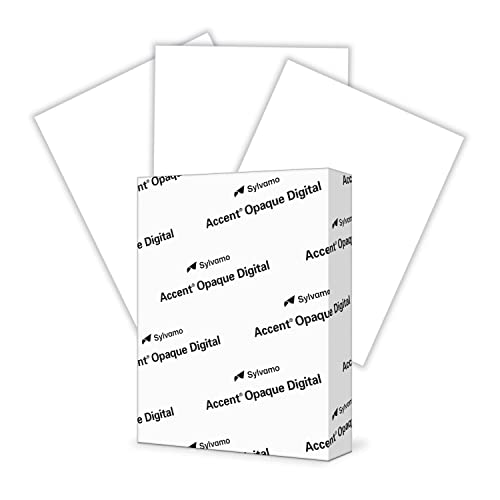
Accent Opaque White Cardstock Paper, 8.5 x 11, 120 lb, 325 GSM, 150 sheets
Best for heavyweight prints: 120 lb opaque white stock gives a substantial feel and handles ink-heavy designs well
Premium white cardstock with high brightness and smooth finish for invitations, cards, menus, and business cards. Noted for thickness, printability, and sturdy quality; suitable for die-cutting, scoring, and folding
- 325 gsm heavy cardstock
- premium smooth finish
- high print quality and brightness
-
4

Accent Opaque Cream Cardstock 8.5 x 11, 80lb, 216gsm, 250 Sheets
Best for warm-toned invites: 80 lb cream cardstock balances heavier weight with a smooth finish for rich ink coverage
Cream-colored heavy cardstock with a near-matte, super smooth finish ideal for ink-heavy printing. Praised for weight, color quality, and compatibility with card making and invitations; noted trade-off on durability by some customers
- warm white cream color
- heavy 80lb (216gsm) cardstock
- excellent printability and ink holdout