Best Computer Algorithms Under $100 (2026)
We ranked items under $100 by value score using clarity, applicability to home or hobby projects, technical rigor, and relevance to algorithmic problem solving
The Verdict
- Best Overall: Introduction to Algorithms (4th edition) — Best for foundational study: comprehensive algorithm coverage with rigorous theoretical depth for long-term learning
This roundup highlights accessible computer algorithms and algorithm-focused texts useful for home study, research refreshers, or applying computation to home comfort and decor problems. Selections prioritize clear exposition, practical applicability, and overall value under $100 based on technical depth, breadth of coverage, and reader utility
Top Picks
-
1

Best Overall Introduction to Algorithms (4th edition)
Best for foundational study: comprehensive algorithm coverage with rigorous theoretical depth for long-term learning
Foundational algorithms textbook that explains core concepts with practical algorithmic tooling. Readers appreciate the information quality and academic depth, though readability and code presentation receive mixed feedback
- comprehensive algorithm coverage
- rigorous academic orientation
- practical algorithm applications
-
2
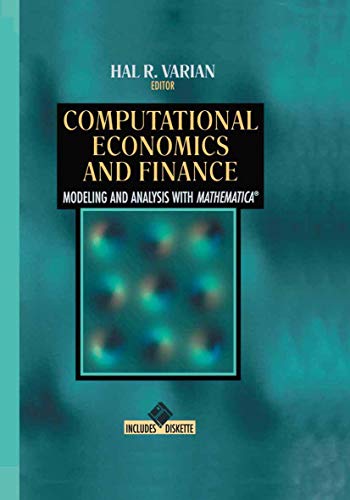
Computational Economics and Finance: Modeling and Analysis with Mathematica
Best for computational economics: focused modeling and Mathematica-based analysis for economic and finance computation
Guide to modeling and analysis in economics using Mathematica. Provides methods for computational economics and financial analysis with clear examples. customer insight: neutral/none
- Mathematica-based modeling
- economic and financial analysis
- structured methodology
-
3

Deterministic Global Optimization: Geometric Branch-and-bound Methods and their Applications
Best for deterministic optimization: geometric branch-and-bound approaches suited to nonconvex problem solving
Academic text on geometric branch-and-bound methods for deterministic global optimization. Highlights applications in nonconvex optimization. Customer insight notes no clear sentiment
- deterministic global optimization
- geometric branch-and-bound
- nonconvex optimization applications
-
4

Algorithmic Aspects of Bioinformatics (Natural Computing Series)
Best for computational biology: algorithmic treatments tailored to bioinformatics and natural computing applications
Intro to algorithmic methods in bioinformatics with focus on natural computing approaches. Key benefit: structured insights into computational techniques for biological data. Customer insight hints at interest in technical depth
- algorithmic-focused bioinformatics
- natural computing context
- authoritative reference material
-
5

Distributed Event-Based Systems
Best for distributed systems: practical coverage of event-based architectures and distributed event handling
A technical book on distributed event-based architectures. Focused on concepts and implementations for scalable systems. Customer note: insights unavailable
- event-driven design emphasis
- scalability considerations
- architecture-focused content
-
6

Information Dynamics: Foundations and Applications
Best for information dynamics: foundational treatment linking information theory concepts to applied dynamics
Foundations and applications of information dynamics. Key concepts and insights for algorithms research. Customer insight highlights ambiguity remains in keywords
- foundations of information dynamics
- designs and applications overview
- authoritative domain knowledge
-
7

Data Mining for Association Rules and Sequential Patterns: Sequential and Parallel Algorithms
Best for data mining patterns: focused on association rules and sequential-pattern algorithms for pattern discovery
Book on data mining methods for association rules and sequential patterns, covering sequential and parallel algorithms. Insight from customer feedback highlights clarity and usefulness for readers exploring algorithm design
- sequential and parallel algorithm coverage
- data mining for association rules
- practical algorithm insights
-
8

Multi Tenancy for Cloud-Based In-Memory Column Databases: Workload Management and Data Placement
Best for cloud databases: targeted guidance on multi-tenancy and workload management for in-memory column stores
Explore workload management and data placement in cloud-based in-memory column databases. Benefits from multi-tenancy in performance and resource allocation. Customer insight: mixed signals, no explicit sentiment
- multi-tenant architecture focus
- workload management discussion
- data placement strategies
-
9

Parameter Advising for Multiple Sequence Alignment (Computational Biology, 26)
Best for sequence alignment tuning: practical parameter advising for improving multiple sequence alignments
A study on parameter advising for multiple sequence alignment in computational biology. Discusses strategies and outcomes to improve alignment decisions. Customer insight: no notable sentiment provided
- focus on parameter advising
- applies to multiple sequence alignment
- educational reference
-
10

A Guide to Graph Colouring: Algorithms and Applications
Best for graph theory algorithms: concise guide to graph colouring algorithms and their practical applications
Guide on graph colouring algorithms and applications. Clear explanations for algorithmic approaches and their use cases. Customer insight: none available
- algorithmic coverage
- practical applications
- academic relevance