Best Developmental Biology (Books) for Academic Research Reference (2026)
We selected books based on topical relevance to developmental biology, author/editor expertise, publisher academic standing, citation potential for research, and value measured by depth relative to typical academic pricing
The Verdict
- Best Overall: Supercentenarians (Demographic Research Monographs) — A scholarly exploration of extreme longevity in humans.
- Best Premium: Lemurs: Ecology and Adaptation (Developments in Primatology) — A scholarly book on lemur ecology and adaptation.
Top Picks
-
1

Best Overall Supercentenarians (Demographic Research Monographs)
A scholarly exploration of extreme longevity in humans. Focuses on demographic research methods and findings. Customer insight: neutral stance on content quality
- multiauthor expertise
- demographic methods
- longevity topic
-
2
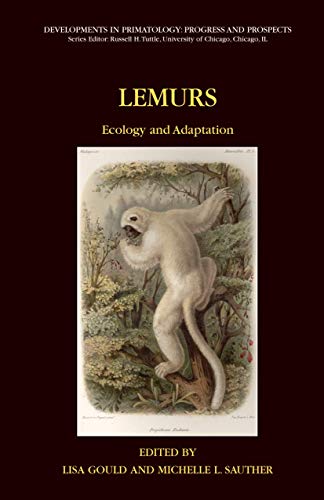
Best Premium Lemurs: Ecology and Adaptation (Developments in Primatology)
A scholarly book on lemur ecology and adaptation. Provides insights into primatology developments and prospects. customer insight: neutral overall
- ecology-focused analysis
- adaptation insights
- progress in primatology
-
3

Aging, Creativity and Art: A Positive Perspective on Late-Life Development
Academic exploration of aging, creativity, and art within late-life development. Highlights a positive perspective on aging, grounded in scholarly context. Customer note mentions thoughtful insights on late-life creativity
- positive view on late-life development
- link between aging and creativity
- art as a lens for aging studies
-
4

Macrophages: Origin, Functions and Biointervention
Book exploring macrophage origins and functions with biointervention insights. Provides analysis and problem areas in cell differentiation research. Customer insight notes mixed sentiment from a single review
- origin-focused insights
- biointervention perspectives
- cell differentiation context