Best Labor & Industrial Relations (Books) Under $100 (2026)
Selections were the highest-scoring titles under $100 by a value metric combining topical relevance, authoritativeness, and reader applicability
The Verdict
- Best Overall: Power in Coalition: Strategies for strong unions and social change — Best for coalition builders: practical strategies for strengthening unions and coordinating social-change partners
- Best Value: United University Professions: Pioneering in Higher Education Unionism — Best for higher-ed advocates: detailed account of university union organizing and institutional innovation
This page highlights accessible labor and industrial relations books under $100 chosen for value, relevance, and scholarly contribution. Picks were ranked by a composite value score that weights topical relevance, authoritativeness, and reader utility
Top Picks
-
1

Best Overall Power in Coalition: Strategies for strong unions and social change
Best for coalition builders: practical strategies for strengthening unions and coordinating social-change partners
A book exploring union power and tactics for social change. Insights on organizing and coalition-building for labor movements. customer insight: positive interest in strategic guidance
- coalition-building focus
- strategies for strong unions
- social change impact
-
2

Norbert Elias's Lost Research
Best for scholars: recovered empirical research that enriches sociology and industrial-relations history
A book in labor and industrial relations exploring unresolved historical insights. Includes analysis from multiple authors. Customer insight notes mixed perceptions
- historical research focus
- multi-author perspective
- labor and industrial relations context
-
3

Egyptian Women Workers and Entrepreneurs: Maximizing Opportunities in the Economic Sphere
Best for regional gender studies: empirical look at Egyptian women workers and entrepreneurial opportunities
Academic work on women workers and entrepreneurs in Egypt, focusing on opportunities in the economic sector. Provides analysis for private sector development and inclusive growth. customer insight: none
- women's economic participation
- entrepreneurship opportunities
- development-oriented analysis
-
4

Best Value United University Professions: Pioneering in Higher Education Unionism
Best for higher-ed advocates: detailed account of university union organizing and institutional innovation
Explores the development of unionism in higher education through United University Professions. Key insights into organizing and labor dynamics in academia. Customer insight notes mixed sentiment and limited feedback
- academic labor history focus
- union organizing in higher ed
- scholarly perspectives on faculty unions
-
5
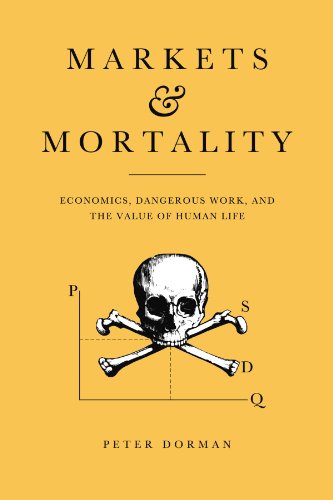
Markets and Mortality: Economics, Dangerous Work, and the Value of Human Life
Best for risk-focused readers: rigorous analysis linking economics, dangerous work, and the valuation of human life
Explores how economics and dangerous work shape the value of human life. Insights on labor, policy, and market implications. Customer note highlights thoughtful analysis
- economic perspective on risk
- relationship between work danger and value
- policy implications for labor markets
-
6

Global Labour Flexibility
Best for global labor insight: broad examination of labor-market flexibility and its effects across economies
Explores labor flexibility concepts and global perspectives. Provides insights for readers studying labor relations and policy. Customer insight note mentions mixed feedback and potential relevance to workers
- global perspective on labor
- policy implications
- theoretical framework
-
7
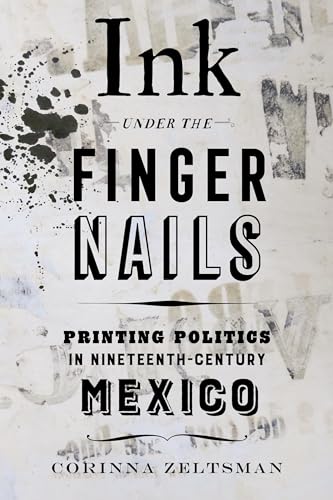
Ink under the Fingernails: Printing Politics in Nineteenth-Century Mexico
Best for historical political context: archival study of print culture intersecting with labor and politics in nineteenth-century Mexico
Explores how print culture shaped politics in 19th-century Mexico. Insightful analysis and historical context for readers of labor and industrial relations
- political printing culture
- nineteenth-century Mexico
- labor relations context