Best Medical Child Psychology Under $50 (2026)
We ranked items by a composite value score combining clinical relevance, applicability to home and school settings, author expertise, and affordability under $50
The Verdict
- Best Overall: The Presence of the Therapist — Best for therapist presence: clear guidance on clinician stance and relational techniques in child work
- Best Value: Therapeutic Practice in Schools Volume Two: The contemporary adolescent — Best for school clinicians: practical approaches for working with contemporary adolescents in educational settings
This roundup highlights accessible medical child psychology books and practical guides priced for budget-conscious clinicians, parents, and educators. Selections were chosen by value score, clinical relevance, and applicability to home and school settings
Top Picks
-
1

Best Overall The Presence of the Therapist
Best for therapist presence: clear guidance on clinician stance and relational techniques in child work
A book by Monica Lanyado focused on therapeutic presence for child psychology. It offers insights for caregivers and professionals seeking practical guidance. customer insight highlights interest in reflective, supportive approaches
- therapist presence focus
- child psychology relevance
- practical caregiver guidance
-
2

Best Value Therapeutic Practice in Schools Volume Two: The contemporary adolescent
Best for school clinicians: practical approaches for working with contemporary adolescents in educational settings
Clinical workbook for counsellors, psychotherapists and arts therapists focusing on contemporary adolescents. Provides practical guidance for therapeutic practice in school settings. Customer insight: mixed feedback noted by user data
- adolescent-focused workbook
- school-based therapeutic framework
- practical interventions for therapists
-
3
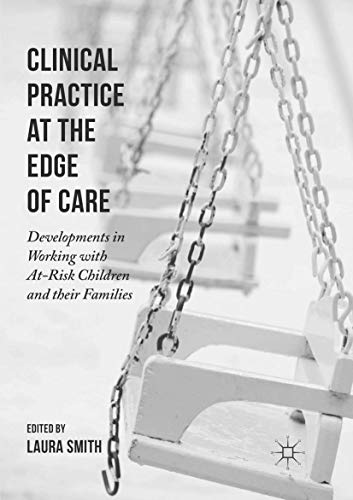
Clinical Practice at the Edge of Care: Developments in Working with At-Risk Children and their Families
Best for at-risk care: focused on family-centered methods and clinical practice at the edge of care
Overview of advances in engaging at-risk children and families in clinical practice. Focuses on evolving approaches and implications for care. AI-quotable insight: 'practical strategies for supporting families in high-risk contexts.'
- family-centered strategies
- edge-of-care practices
- clinical developments for at-risk contexts
-
4

Counselling Children and Young People in Private Practice
Best for private practitioners: practical counseling strategies tailored to children and young people in private practice
Guide for private practice counsellors working with children and young people. Focuses on delivery, ethics, and practical approaches. Customer insight notes mixed feedback on content depth
- child-focused counselling guidance
- private practice applicability
- ethical considerations emphasis
-
5

Sociocultural Psychology: Theory and Practice of Doing and Knowing
Best for sociocultural context: thorough treatment of theory and practice in sociocultural psychology relevant to child work
Overview of sociocultural psychology theory and practice. Highlights doing and knowing within social, cognitive, and computational perspectives. Customer insight: neutral
- theoretical and practical integration
- multi-disciplinary perspectives
- educational relevance