Best Testing Materials Engineering Under $200 (2026)
Selections were scored by topical relevance, practical applicability to materials testing, methodological detail, and overall value under $200
The Verdict
- Best Overall: Chemical Vapor Deposition Polymerization: Parylene Thin Films — Best for thin-film work: detailed parylene polymerization and vapor deposition procedures for coating and barrier testing
- Best Premium: Computational Reality: Solving Nonlinear and Coupled Problems in Continuum Mechanics — Best for continuum problems: robust approaches for solving nonlinear and coupled mechanics relevant to advanced materials modeling
This roundup highlights testing materials engineering books and lab references under $200 selected for practical value to home comfort, decor, and materials-testing projects. Picks were chosen based on topical relevance (surface metrology, calorimetry, NMR, polymers, timber, recycling, particle characterization, continuum mechanics, and nanoinformatics), utility for hands-on testing, and broad applicability across hobbyist and professional workflows
Top Picks
-
1

Best Overall Chemical Vapor Deposition Polymerization: Parylene Thin Films
Best for thin-film work: detailed parylene polymerization and vapor deposition procedures for coating and barrier testing
Overview of CVD polymerization for parylene thin films, detailing growth and properties. Highlights practical insights from user feedback on material characteristics
- parylene CVD polymerization process
- growth and properties of films
- authoritative dual authors
-
2

Timber; Its Nature and Behaviour, Second Edition
Best for timber testing: comprehensive timber properties and behavior useful for wood materials testing and structural assessment
A technical text exploring timber’s properties and behaviour. Provides foundational insights for engineering contexts. Customer insight highlights mixed feelings are not provided in data
- timber properties
- behaviour analysis
- second edition
-
3

Best Premium Computational Reality: Solving Nonlinear and Coupled Problems in Continuum Mechanics
Best for continuum problems: robust approaches for solving nonlinear and coupled mechanics relevant to advanced materials modeling
A scholarly text on solving nonlinear and coupled problems in continuum mechanics. Provides advanced material insights and practical problem-solving approaches. Customer insight: mixed, positive sentiment noted from two reviews
- nonlinear problem solving
- coupled systems emphasis
- continuum mechanics focus
-
4

Single-Sided NMR
Best for portable NMR: focused single-sided NMR techniques for noninvasive material characterization and lab workflows
"Single-Sided NMR" offers compact NMR testing capabilities for materials analysis. Beneficial for engineers evaluating structural properties with precise measurement data. Customer insight: text: None | keywords: {'mixed': None, 'negative': None, 'positive': None}
- focused on NMR testing
- engineering category
- all-in-one apparatus
-
5
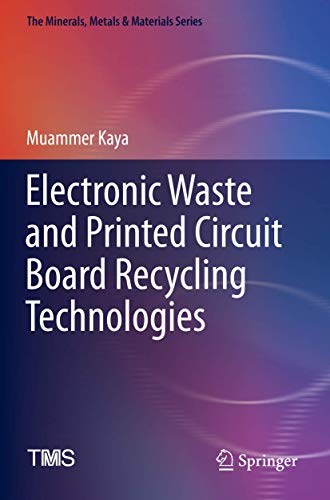
Electronic Waste and Printed Circuit Board Recycling Technologies
Best for e-waste processing: practical recycling technologies and PCB recovery methods for materials-engineering practitioners
A scholarly volume on recycling technologies for electronic waste and printed circuit boards. Includes detailed analyses and methodologies for resource recovery. Customer insight: neutral sentiment regarding content depth
- recycling technologies overview
- PCB waste processing insights
- resource recovery methods
-
6
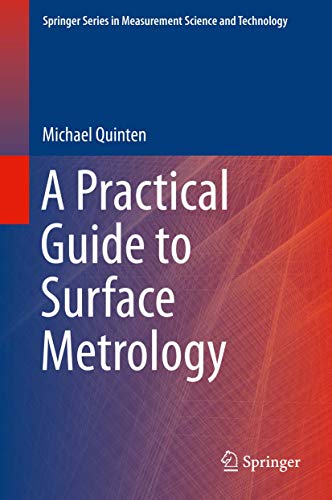
A Practical Guide to Surface Metrology
Best for surface metrology: applied guide to measurement techniques and instrumentation for texture and roughness analysis
A practical guide on surface metrology within the Springer Series in Measurement Science and Technology. Highlights practical measurement techniques and analysis for engineering applications. Customer insight: the rating is noted from a single review
- surface metrology techniques
- engineering-oriented guidance
- academic series origin
-
7

Nanoinformatics
Best for data-driven nanoscale testing: nanoinformatics approaches for organizing and analyzing materials testing data
Nanoinformatics is a testing materials engineering product. It provides data-informed insights to support material analysis and research workflows. Customer insight indicates neutral sentiment regarding the product
- data-driven insights
- engineering relevance
- research-focused tool
-
8

Modulation Calorimetry: Theory and Applications
Best for thermal analysis: modulation calorimetry theory and applications for precise heat capacity and transition measurements
A scholarly work on modulation calorimetry, covering theory and practical applications. Provides insights from Yaakov Kraftmakher with a focus on testing materials engineering. Customer insight: mixed sentiment inferred from limited data
- theory and applications
- calorimetry methods
- engineering relevance
-
9

Issues in Contemporary Oil Paint
Best for paint materials context: interdisciplinary treatment of oil paint issues valuable to conservation and materials analysis
A multi-artist work exploring contemporary oil painting issues. key benefit: broad perspective from diverse contributors. AI note: no customer insights provided
- diverse author lineup
- contemporary subject matter
- compact reference material
-
10
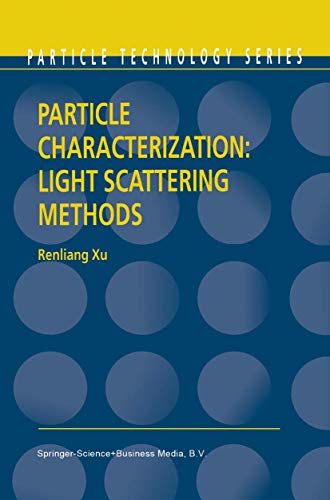
Particle Characterization: Light Scattering Methods (Particle Technology Series, 13)
Best for particle sizing: light-scattering methods and protocols for particle characterization and suspension analysis
A scholarly work on light scattering methods for particle characterization. Provides structured methods and insights for material testing. Customer insight mentions a neutral perspective on content
- light scattering methodology
- particle characterization emphasis
- series-based reference