Best Dog Recovery Collars & Cones (2026 Guide)
We selected items by combining average product rating, review volume, material type (soft vs hard), size range, and features relevant to post-surgical protection
The Verdict
- Best Overall: All Four Paws Comfy Cone: Soft Recovery Cone for Dogs & Cats — Best soft-cone option for comfort: cushioned fabric reduces chafing while blocking access to wounds
- Best Value: Hard & Heavy Plastic Dog Cone Collar for Lab & GSD (Small & Medium) Recovery — Best rigid protection for active dogs: heavy plastic construction keeps dogs from reaching difficult wounds
This guide overviews top-rated dog recovery collars, cones, and recovery suits to help pet owners protect surgical sites and discourage licking or chewing. Selections were chosen by aggregating product ratings, review volume, construction (soft vs rigid), sizing options, and real-world usability features
Top Picks
-
1

Best Overall All Four Paws Comfy Cone: Soft Recovery Cone for Dogs & Cats
Best soft-cone option for comfort: cushioned fabric reduces chafing while blocking access to wounds
Soft cone for surgery recovery with foam-backed padded nylon, adjustable sizing, and secure hook-and-loop closures. Customers note comfort, good fit, and easy use, though sizing may vary by pet
- adjustable sizing for a secure fit
- soft, padded comfort over hard cones
- durable, water resistant material
-
2

All Four Paws Comfy Cone for Dogs & Cats (Large) - Soft Recovery Collar
Best soft-cone large size for comfort: large, cushioned collar designed to fit bigger dogs without hard edges
Soft foam-backed recovery cone for dogs and cats, designed to prevent licking and protect wounds. Noted for comfort, durability, and easy fit; users mention comfortable padding and secure wear
- comfortable padded design
- adjustable secure fit
- durable water-resistant material
-
3
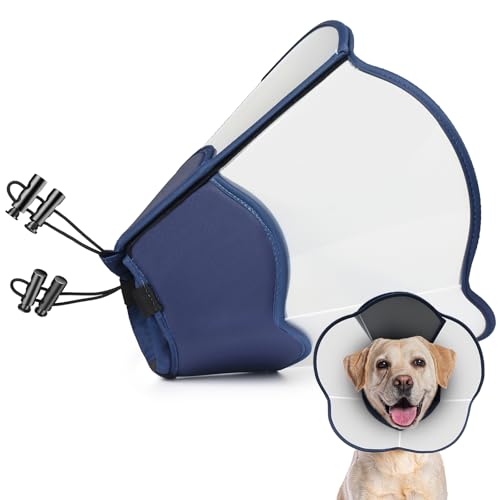
Best Value Hard & Heavy Plastic Dog Cone Collar for Lab & GSD (Small & Medium) Recovery
Best rigid protection for active dogs: heavy plastic construction keeps dogs from reaching difficult wounds
Adjustable recovery cone with a secure, comfortable fit and bottom elastic strap. Customers note comfort, ease of use, and durable protection without restricting the dog's view
- adjustable cord lock for precise fit
- elastic bottom strap anchors to collar
- soft edges reduce blockage of view
-
4
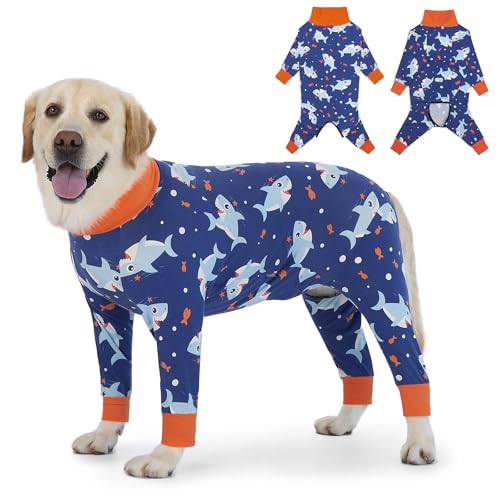
Dog recovery suit for post-surgery (blue shark, 6XL)
Best recovery-suit for extra coverage: full-body suit option protects incisions and limits licking
Elastic, breathable dog recovery suit that helps wound healing and acts as a cone alternative. Customers note it looks cute and supports healing, with mixed feedback on fit and durability
- cone-alternative design
- breathable, elastic fabric
- suitable for post-surgery healing
-
5

Yeapeeto Dog Recovery Suit for Large & X-Large dogs
Best large-size suit for big dogs: roomy bodysuit tailored to larger frames to protect surgical sites
Breathable dog recovery onesie for wound protection, licking prevention, and shedding control. Easy to wear and wash; some users note sizing and zipper durability concerns
- high-elastic, soft fabric
- wound protection without cone
- easy care and quick-dry material
-
6

SAWMONG 2 Pack Dog Recovery Suit After Surgery
two-pack suits: pairs of soft polyester suits for frequent laundering and extended recovery needs
Soft polyester recovery suits for dogs post-surgery with full coverage. Provides protection for wounds and supports comfort; one user highlights fit and ease of wear, though sizing feedback varies
- two-piece set in assorted colors
- soft, gentle fabric
- full-body recovery coverage
-
7

SAWMONG 2 Pack Dog Recovery Suit for After Surgery
Best affordable two-pack for basic protection: simple, soft suits that cover incisions and discourage licking
Soft polyester recovery suits for dogs after surgery, covering torso and wounds. Includes two pieces in purple and pink; suitable for various sizes. Customers note softness and comfortable fit, with mixed feedback on sizing and ease of use
- two-piece set for versatility
- soft, comfortable fabric
- full coverage design
-
8

SAWMONG 2 Pack Dog Recovery Suit (Strawberry+Peach) for post-surgery
Best colorful two-pack option: two soft recovery suits in different colors for easy rotation and coverage
Soft polyester dog recovery suit that covers surgical wounds for multiple sizes. Keeps wounds protected while offering comfortable fit; users note mixed sizing and ease of use
- two-piece pack
- full coverage recovery suit
- soft polyester with comfort fit
-
9
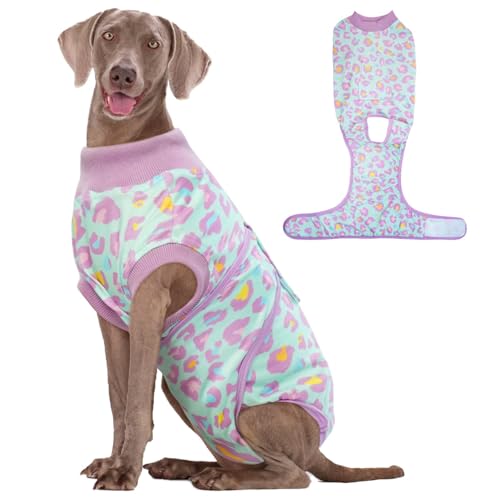
Kuoser Dog Recovery Suit - post-surgery bodysuit for dogs XL
Best XL bodysuit for incision protection: roomy surgical onesie designed to cover midline and flank wounds
Soft, breathable dog recovery bodysuit designed to protect wounds and keep pets mobile during healing. Customers note it’s comfortable, easy to use, and helpful after surgery
- alternative to cone collar
- multiple size options
- soft and durable fabric
-
10

Adjustable plastic dog cone collar for small & medium dogs
Best adjustable plastic cone for small/medium dogs: tapered, adjustable plastic cone balances protection and mobility
Lightweight, anti-lick recovery cone with adjustable neck fit and soft, flexible design. Customers report comfort, reliability, and easy on/off use
- anti-escape design with scarf velcro
- adjustable neck velcro for secure fit
- comfortable, soft plastic material