Best Biohazard Waste Disposal Bags Under $50 (2026)
We selected products under $50 by combining a value score that weights material quality, bag dimensions and closure type, pack count, and visible biohazard marking
The Verdict
- Best Overall: Biohazard Waste Bags, 10-gallon, red, 200 count — Best for bulk clinical use: 10-gallon red 200-count packs designed for general infection-control disposal
- Best Value: Stick-On Biohazard Waste Bags 200pcs, 9x13in (23x33cm) red — Best for workstation use: stick-on 9x13 inch red bags that attach for convenient countertop disposal
This roundup identifies high-value biohazard waste disposal bags under $50, focusing on durability, size options, and infection-control features for clinical and facility use. Selections were ranked by a value score that weighs material strength, bag dimensions, closure type, and pack count
Top Picks
-
1

Best Overall Biohazard Waste Bags, 10-gallon, red, 200 count
Best for bulk clinical use: 10-gallon red 200-count packs designed for general infection-control disposal
Red biohazard waste bags with biohazard warnings, 10-gallon capacity, durable with leak-resistant closure. Customers say the quality is good and functional for intended use, though size feedback is mixed
- leak-free with star-seal bottom
- biohazard warning labeling
- durable for heavy loads
-
2
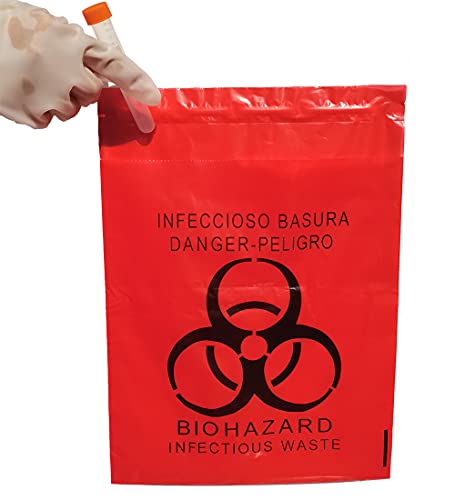
Best Value Stick-On Biohazard Waste Bags 200pcs, 9x13in (23x33cm) red
Best for workstation use: stick-on 9x13 inch red bags that attach for convenient countertop disposal
200pcs stick-on red biohazard waste bags with warnings for medical settings. Prompts staff to handle in accordance with regulations. Customer note: good quality, size mixed feedback
- red biohazard design with warnings
- stick-on application
- dual-language warnings
-
3

Biohazard Specimen Bags 500pcs 6x9in/15x25cm with Red BIOHAZARD Logo
Best for specimen organization: 6x9 zip-style bags in a 500-count pack with red BIOHAZARD logo for clear labeling
Specimen bags with a ziplock top and outside paperwork pouch for labeling and storage. Distinctive red and black BIOHAZARD logo alerts handlers to exercise caution; self-sealing zipper provides easy opening and sealing
- ziplock top with self-sealing zipper
- outside pocket for paperwork
- biohazard logo for clear handling alert
-
4

Geyoga 500 Pcs Red Biohazard Bags 11x15
Best for mid-size loads: 11x15 red HDPE 500-pack suited to facility-wide general biohazard waste needs
Red biohazard bags made of high-density polyethylene for safe containment of hazardous materials. durable, tear-resistant, and easily visible to reduce mishandling; customers note clear color-coding as a safety aid
- HDPE construction
- red color for visibility
- strong adhesive strip
-
5

4in x 6in Biohazard Specimen Zip Bags, 1000 Pack, 2 mil
Best for small specimens: 4x6 zip bags in a 1000-pack offering lightweight, sealable containment for lab samples
Clear low-density polyethylene zip bags for biological specimens. Waterproof, moistureproof and dustproof with a sturdy lock zip for safe transport and storage. Customer note mentions clarity on safety features
- airtight zipper with lock
- freezer safe
- non toxic & odorless