Best D Printers for Educational Demonstrations (2026)
We prioritized models that combine classroom-friendly features—easy setup, calibration, safety, and consistent print quality—while offering good value
The Verdict
- Best Overall: Ender 3 3D Printer Open Source DIY Build — Best for beginners: open-source, DIY build that teaches printer mechanics and basic operation
- Best Premium: Kobra 2 Neo 3D Printer with auto-leveling and fast 250mm/s — Best for fast demos: high-speed printing and auto-leveling to shorten demonstration time
This guide highlights 3D printers suited for classroom and lab demonstrations, focusing on machines that balance ease of use, visibility, and reliability. Picks were chosen for instructional fit and value by evaluating user-friendly setup, safety features, and common educational workflows
Top Picks
-
1
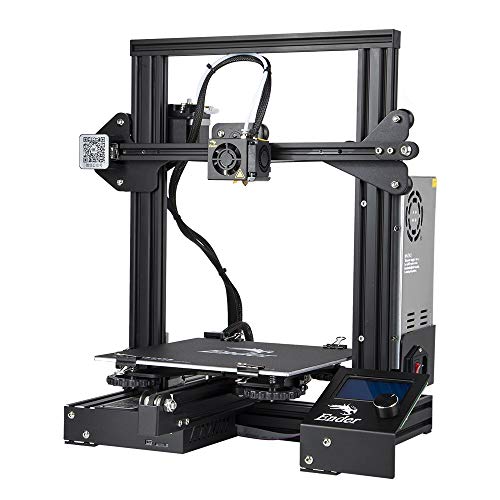
Best Overall Ender 3 3D Printer Open Source DIY Build
Best for beginners: open-source, DIY build that teaches printer mechanics and basic operation
Open-source Ender 3 3D printer with resume printing. Easy-to-use interface for beginners and students, with value noted by customers
- resume printing capability
- open-source hardware
- budget-friendly entry model
-
2

Best Premium Kobra 2 Neo 3D Printer with auto-leveling and fast 250mm/s
Best for fast demos: high-speed printing and auto-leveling to shorten demonstration time
3D printer with upgraded extruder and cooling for quick filament melt and precise prints. Fast 250mm/s capability and smart Z-offset for easy model removal; beginner-friendly assembly and leveling
- 250mm/s maximum print speed
- new integrated extruder and cooling system
- auto-leveling with smart Z-offset
-
3

Ender 3 V3 KE 3D Printer with Sprite Direct Extruder
Best for reliable classroom prints: direct extruder and auto-leveling for consistent, flexible-material performance
Compact 3D printer with 500 mm/s print speed, auto-leveling, and responsive touch UI. Noted mixed reviews on setup and print quality from customers
- auto leveling and CR Touch
- sprite direct extruder
- high speed printing