Best Electrical Wire Under $200 (2026)
We prioritized value score by combining gauge, conductor type (solid/stranded/tinned), insulation rating, intended application, and overall build quality from manufacturer specs
The Verdict
- Best Overall: Southwire Romex Simpull 14/2 NM-B Copper Cable 50 ft — Best for indoor branch circuits: solid NM-B copper 14/2 for standard residential wiring reliability
- Best Value: Fermerry 12 AWG Silicone Stranded Wire Kit, 10ft per color — Best for flexible connections: 12 AWG silicone stranded kit for durable, high-flex wiring and multiple colors
This roundup identifies high-value electrical wire options under $200 for common residential, landscape, and low-voltage projects, prioritizing safety, conductor type, and versatility. Selections were ranked by a value score combining gauge/conductor specs, insulation type, intended use, and overall build quality from manufacturer details
Top Picks
-
1
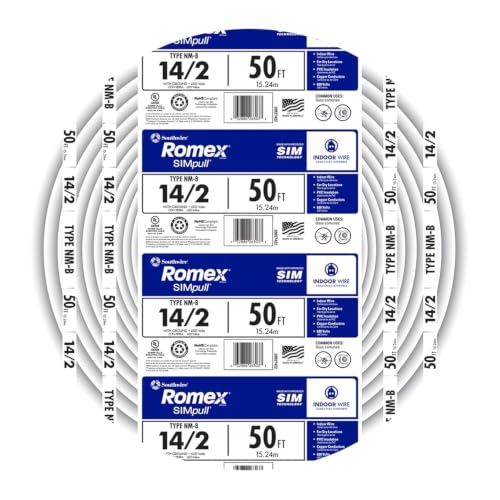
Best Overall Southwire Romex Simpull 14/2 NM-B Copper Cable 50 ft
Best for indoor branch circuits: solid NM-B copper 14/2 for standard residential wiring reliability
Romex Simpull NM-B indoor cable, 14/2 with ground, 600V rating. Easy pulling and installation due to SIMpull jacket. Customer note: easy to work with and good value for basic home wiring
- SIMpull jacket for easier pulling
- 14/2 NM-B copper building wire
- 600-volt rating
-
2
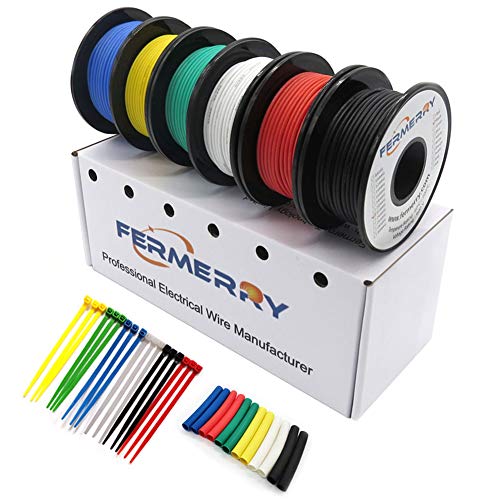
Best Value Fermerry 12 AWG Silicone Stranded Wire Kit, 10ft per color
Best for flexible connections: 12 AWG silicone stranded kit for durable, high-flex wiring and multiple colors
Flexible 12 AWG silicone stranded wire kit with 10ft lengths in 6 colors. Great color coding and ease of use for small electrical projects, including LED and car audio builds
- 6-color silicone stranded wire
- 10ft per color
- good value for price
-
3

FIRMERST 16/2 Low Voltage Landscape Wire 150 ft
Best for outdoor low-voltage: 16/2 direct-burial landscape wire built for long runs and moisture exposure
Low voltage landscape wire, 16AWG 2 conductors, for direct burial and flexible installs. Customers praise its durability, ease of cutting and splicing, and overall value
- direct burial rated
- 2 C 16 AWG for low voltage
- flexible, easy to cut and splice
-
4

Southwire 12/2 NM-B solid indoor building wire, 25 ft, 600 V
Best for heavier indoor circuits: solid NM-B 12/2 intended for 20-amp branch circuit wiring installations
12/2 NM-B building wire with PVC jacket and copper conductors. Solid, color coded, and easy to pull through conduits. Customers note high quality and good value for indoor wiring projects
- PVC jacket with color coding
- copper conductors
- easy to pull through conduits
-
5

Fermerry 16 AWG Silicone Hook-Up Wire, 100ft (black & red) with 6 pcs heat shrink and wire ties
Best for hook-up work: 16 AWG silicone two-color spool with heat-shrink for neat, flexible wiring tasks
Silicone 16 AWG stranded hook-up wire with two colors and 100 ft per color. Flexible silicone insulation; easy to solder. Includes heat shrink tubing and wire ties
- two-color 16 AWG silicone wire
- includes shrink tubing and wire ties
- flexible tinned copper conductor
-
6

NAOEVO 18 AWG 3 Conductor Wire, 50ft
Best compact multi-conductor: 18 AWG three-conductor tinned-copper for low-voltage or signal wiring
18 AWG stranded PVC 3-conductor wire with tinned copper, rated up to 600V and -40F to 248F. Durable, flexible, and suitable for low-voltage automotive and LED applications. Customers note high-quality insulation and easy installation
- tinned copper conductors
- three-conductor 18 AWG
- PVC insulation with high flexibility
-
7
NAOEVO 14 AWG 3 Conductor Electrical Wire, 30FT
Best small three-conductor option: 14 AWG three-conductor PVC-jacketed cable for multi-wire runs
14-gauge, 3-conductor PVC insulated wire with tinned copper strands. Suitable for 12V/5V/24V up to 600V and -22F to 221F. Customers note high quality, durability, and easy installation for 12V LED lights
- tinned copper strands
- three-conductor 14 AWG
- PVC jacket with decent temp range
-
8

NAOEVO 12 AWG 2 Conductor Electrical Wire, 30FT
Best two-conductor 12 AWG: tinned-copper two-conductor cable for robust low-voltage or appliance leads
12 AWG stranded PVC electrical wire with tinned copper, rated up to 600V and -30°C to 105°C. Noted for high conductivity and durability in automotive and lighting use
- tinned copper core
- IP68 waterproof jacket
- 600V voltage rating
-
9

12/2 gauge 100ft electrical wire extension for LED strips
Best for LED and DC runs: 12/2 gauge extension cable optimized for strip lights and low-voltage DC connections
Flexible 100ft 12 AWG DC cable for low-voltage hookups and LED strip lighting. Suitable for speaker, automotive, and general electrical connections; mixed feedback on durability of housing
- true 12 gauge power wire
- long 100 ft spool
- versatile for LED and low voltage needs
-
10

Southwire Romex SIMpull NM-B 12/2 w/g 50ft
Best for 12/2 indoor projects needing ground: NM-B 12/2 with ground designed for typical residential wiring
Romex NM-B copper building wire in a SIMpull jacket for easier pulling and installation. Suitable for residential branch circuits in dry, above-ground locations with 600V rating. Customers find it well-made and easy to work with, though some note length may be insufficient for certain jobs
- SIMpull jacket for easy pulling
- 600V rating for indoor use
- positive customer feedback on ease and quality