Best Flex Hones for Rebuilding Pneumatic Cylinders (2026)
We selected hones by matching diameters to common pneumatic bore sizes, prioritizing silicon-carbide abrasives, grit variety for material needs, build quality, and overall value for cylinder rebuilding
The Verdict
- Best Overall: FLEX-HONE 1-3/8" (35mm) Diameter, 320 Grit — Best for mid-size bores: 35mm diameter and 320 grit provide a balanced finish for common pneumatic cylinders
- Best Value: FLEX-HONE 1" Diameter 320 Grit Silicon Carbide — Best for 1-inch bores: compact 1" diameter with 320 grit for light deglazing and precise surface prep
Top Picks
-
1
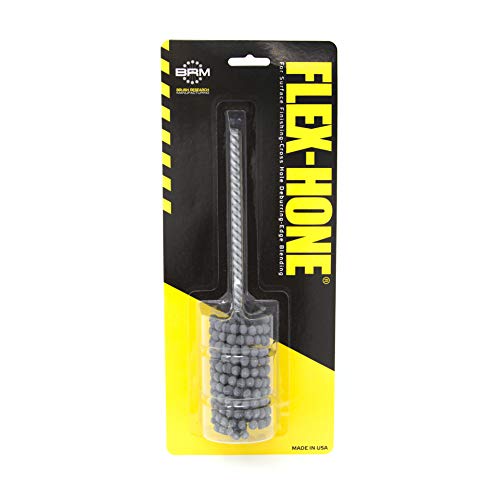
Best Overall FLEX-HONE 1-3/8" (35mm) Diameter, 320 Grit
Best for mid-size bores: 35mm diameter and 320 grit provide a balanced finish for common pneumatic cylinders
FLEX-HONE tool with silicon carbide grit for mild steel, stainless steel, cast iron and softer ferrous materials. Designed oversized for self-centering operation and crosshatch finishing. Customers note solid build, ease of use, and value for money, with mixed opinions on size accuracy
- oversized design for self-aligning wear compensation
- multiple grits for specific tolerances
- made in the USA with durable construction
-
2

Best Value FLEX-HONE 1" Diameter 320 Grit Silicon Carbide
Best for 1-inch bores: compact 1" diameter with 320 grit for light deglazing and precise surface prep
The FLEX-HONE tool in 1" diameter with 320 grit creates a crosshatch finish and self-centers for easier use. Users report good cylinder cleanliness and quality, though some note durability concerns after first use
- self-centering and self-compensating design
- wide grit variety for tailored finish
- made in USA quality reference
-
3
FLEX-HONE Brush Research 7/8 (22.2mm) 320 Grit
Best for tight engine-style bores: 7/8" diameter in 320 grit fits narrow cylinders and valve-guide work
Silicon carbide flex-hone for mild steel, stainless steel, cast iron and softer ferrous materials. Provides self-centering operation and a crosshatch finish. Customers note ease of use and quality, with mixed durability feedback
- oversized design for self-centering use
- variety of grits for specific tolerances
- made in the USA with experienced tooling
-
4

FLEX-HONE 2-1/4" Diameter 240 Grit
Best for larger bores needing moderate removal: 2-1/4" diameter with 240 grit offers faster material removal
FLEX-HONE tool for finishing cylindrical bores with self-centering action and crosshatch finish. Ideal for rebuilding hydraulic/pneumatic cylinders, engine and brake components; praised for quality and ease of use, though some note size variance
- oversized design for self-centering
- variety of grits for finishing tolerance
- made in USA
-
5

FLEX-HONE 3-1/4" Diameter, 120 Grit Silicon Carbide
Best for heavy cast-iron work: 3-1/4" diameter with 120 grit for aggressive stock removal and resurfacing
The FLEX-HONE abrasive brush is oversized for self-centering operation inside cylinders, offering a crosshatch finish. Customers note it delivers a uniform finish with minimal effort and is easy to use, especially on cast iron
- self-centering operation
- wide grit selection
- USA-made tooling
-
6

FLEX-HONE 1-5/8" Dia. 240 Grit Silicon Carbide Hone
Best for intermediate-size cylinders: 1-5/8" diameter and 240 grit balance removal rate and surface finish
FLEX-HONE tool with 1-5/8" diameter and 240 grit silicon carbide for mild steel, stainless steel, cast iron, and softer ferrous materials. Ensures self-centering operation and a crosshatch finish; available in various grits for finishing tolerances. One customer notes easy use and quality, while another reports durability concerns after first use
- self-centering operation
- wide grit range for finishing tolerances
- USA-made quality