Best Patient Alarms Under $100 (2026)
We ranked affordable bedside, chair, door, and wearable-capable alarms under $100 by feature relevance, sensor type, flexibility, and caregiver-focused usability
The Verdict
- Best Overall: Bed sensor alarm for caregiver use with motion detection — Best for motion monitoring: motion-detection bed sensor suited to caregiver watchfulness in elder care
- Best Value: Patient Aid bed alarm with magnet pull cord — Best for manual alerting: magnet pull-cord bed alarm that gives caregivers a straightforward exit alert option
This roundup highlights patient alarms under $100 that help caregivers monitor bed and chair exits, doors, and wandering risk. Selections emphasize practical features like motion or pressure-sensor pads, wireless add-ons, and simple caregiver alerts to aid elder and dementia care
Top Picks
-
1
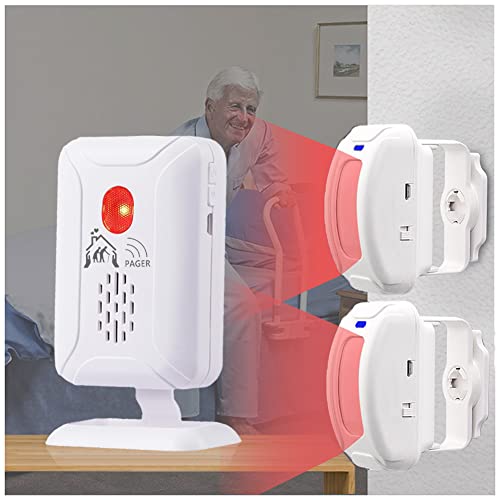
Best Overall Bed sensor alarm for caregiver use with motion detection
Best for motion monitoring: motion-detection bed sensor suited to caregiver watchfulness in elder care
Motion sensor alarm to monitor bed exits and room leaving; wireless between sensor and receiver up to 918 ft. Easy setup with factory pairing and battery/MICRO USB power options. One customer notes it alerts during sleepwalking
- long-range wireless connection
- easy setup with factory pairing
- configurable power options
-
2
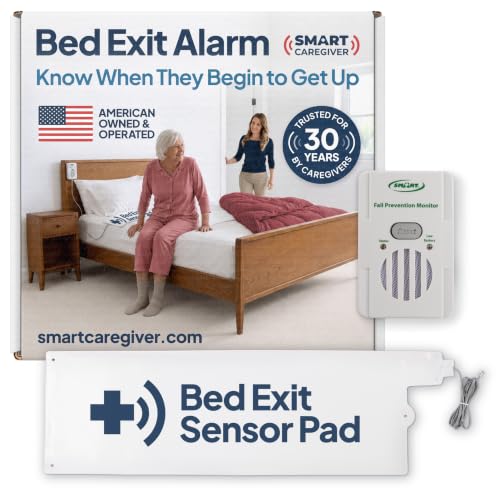
Smart Caregiver Bed Alarm with 10x30 Bed Pad for elderly safety
Best for simple bed monitoring: reliable bed alarm with a large bed pad designed for elderly safety and fall prevention
Bed alarm for elderly adults detects when pressure is removed and alerts caregiver. Flexible alert options include a room alarm and an optional wireless add-on kit for direct caregiver notifications
- pressure-activated bed pad
- versatile alert options
- optional direct-to-caregiver alerts
-
3

Best Value Patient Aid bed alarm with magnet pull cord
Best for manual alerting: magnet pull-cord bed alarm that gives caregivers a straightforward exit alert option
Bed alarm for elderly and dementia patients to help prevent falls. Easy to use with multiple volume and mode settings; includes three mounting options for versatile placement. Customer says it provides peace of mind and effective fall prevention
- multi-setting alarm
- versatile mounting
- durable build
-
4

Patient Aid chair alarm with motion sensor pad and wired device
Best for chair monitoring: wired chair alarm with motion sensor pad to alert caregivers when a patient leaves a seat
Chair alarm system with 10" x 15" motion pad, rubber-cased device, and adjustable sound options. Helps alert when patient attempts to stand; suitable for home or community use. One user notes it’s very loud and effective for mobility challenges
- motion-activated alert
- adjustable volume and mode
- flexible mounting options
-
5

Lunderg Wireless Chair Alarm Sensor Pad (ADD-ON) for Early-Alert Bed Alarm
Best as an add-on: wireless chair sensor pad built to expand early-alert bed alarm systems for fall prevention
Add-on chair alarm sensor pad for Lunderg early-alert system. Provides coverage beyond bed alarm with alert when user rises. Users note easy setup and peace of mind
- add-on for existing system
- wireless chair sensor pad
- early alert for up-and-out movements
-
6

Patient Aid bed alarm with motion sensor pad
Best for wander prevention: motion-sensor bed alarm focused on detecting bed exits to reduce nighttime wandering risk
Bed alarm system with motion sensor pad to alert when patient attempts to stand. Includes multiple mounting options and audible alerts. Customers note ease of setup but mixed reliability and loudness concerns
- motion sensor bed pad
- versatile mounting options
- adjustable alarm sounds and volume
-
7

Patient Aid Bed Alarm with Motion Sensor Pad
Best balanced choice: motion-sensor bed alarm offering straightforward detection and caregiver alerts for elder care
Bed alarm with 10" x 30" motion sensor pad and wired device. Alerts when patient tries to stand, aiding wandering and fall prevention. Users note easy setup and value for money with mixed feedback on function and noise
- motion-sensor bed pad
- adjustable alarm volume
- flexible mounting options
-
8
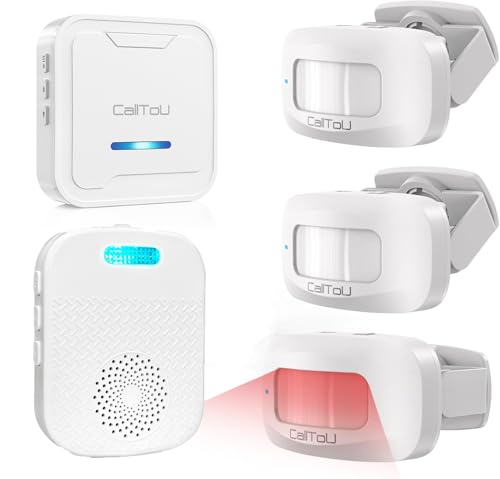
Caregiver door chime with 2 sensors & 2 receivers
Best for door alerts: caregiver door chime kit with two sensors and receivers for monitoring exits within a home
Door sensor alarm system for dementia care with adjustable volume and multiple receivers. Helps alert caregivers without startling seniors. Customers note easy installation and effective use for dementia needs
- adjustable chime settings
- connect multiple devices
- extended sensor life
-
9

Medical Guardian MGMini: discreet medical alert device
Best discreet medical alert: compact wearable-style device designed for senior safety with water-resistant features
Small medical alert device with 24/7 monitoring, water resistance, emergency button, and GPS tracking. Provides peace of mind and easy setup, with mixed feedback on battery life
- 24/7 monitoring coverage
- compact, discreet form factor
- GPS tracking and omniSIM tech