Best Sander Belts (2026 Guide)
We selected belts with high user ratings and substantial review volume across multiple sizes and abrasive types to represent versatile, widely used options
The Verdict
- Best Overall: POWERTEC sanding belts 6x48in, 12-pack with 60/80/120/150/240/400 grit — Versatile 6x48 belt set: good all-purpose aluminum-oxide grits for general sanding across wood and light metal work
- Best Value: Cubitron II File Belt 80+ grit 1/2 x 18 in, pack of 10 — Fast-cutting small-format belt: Cubitron-style abrasive optimized for rapid stock removal and edge blending
This guide highlights top-rated sanding belts chosen for high average ratings and substantial review volume across common belt sizes and abrasive types. Picks were selected by filtering for reviewer consensus, variety of grits and materials, and suitability for woodworking and metalworking tasks
Top Picks
-
1

Best Overall POWERTEC sanding belts 6x48in, 12-pack with 60/80/120/150/240/400 grit
Versatile 6x48 belt set: good all-purpose aluminum-oxide grits for general sanding across wood and light metal work
Assorted aluminum oxide sanding belts for belt sanders in wood, metal, and coatings. Durable, compatible with various machines, and noted for quality and value by users
- 6 grits in one pack
- premium grade abrasive
- works on various materials
-
2

3M Cubitron II File Belt 60+ Grit, 1/2 x 18 in, pack of 10
File-belt option for aggressive cutting: resin-bonded abrasive suited to fast material removal in small formats
Resin-bonded file belts with Cubitron II abrasive for fast cutting and longer life. Noted for durability and efficient spot weld removal, with easy installation
- 30 percent faster cut
- double the life of other premium abrasives
- uniform abrasive for efficient cuts
-
3
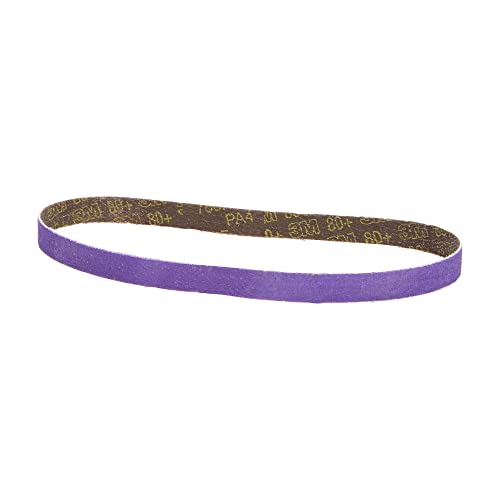
Best Value Cubitron II File Belt 80+ grit 1/2 x 18 in, pack of 10
Fast-cutting small-format belt: Cubitron-style abrasive optimized for rapid stock removal and edge blending
3M Cubitron II file belts for rivet and spot weld removal. Delivers faster cut and longer life with uniform abrasive action for cleaning, stripping, and deburring. Customers note long-lasting performance and good value
- 30 percent faster cut
- double life vs other premium abrasives
- uniform abrasive technology
-
4

POWERTEC 4 x 24 in Sanding Belts set (60/80/120 grit) – 30pk
4x24 multi-pack for workshops: aluminum-oxide grits in a variety useful for common belt sanders and woodworking tasks
Assorted aluminum oxide sanding belts for belt sanders. Includes 60, 80, and 120 grit belts for woodworking and other materials. Customers note good fit and value for money, with durability mixed
- assorted grits in one pack
- works with multiple belt sanders
- premium backing material
-
5

POWERTEC 3 x 18 in Sanding Belts, 40/60/80 Grit (30-pack), aluminum oxide
3x18 aluminum-oxide bulk set: balanced grit selection tailored to handheld belt sanders and frequent use
Set of 3 x 18 inch sanding belts with 10 belts each in 40/60/80 grit. Works with various belt sanders for wood, aluminum, and fiberglass; noted for fit and quality, with mixed durability reports
- 3 x 18 inch belts
- assorted 40/60/80 grits
- aluminum oxide material
-
6

POWERTEC 6x48 in Zirconia Sanding Belts, 9-pack (36/100/120 grit)
Zirconia 6x48 pack for heavy work: durable abrasive suited to aggressive metal and hardwood removal
Zirconia sanding belts designed for high heat resistance and durable material removal. Mixed grit set for initial and heavy sanding, with self-sharpening edges for metal and wood projects. Customers note quality, durability, and good value
- mixed grits for versatility
- zirconia self-sharpening belts
- heat-resistant resin bond
-
7

Cubitron II File Belt 60+ Grit 3/8 x 13 in (10 belts)
Compact file-belt option: small-dimension Cubitron abrasive designed for fast cutting on narrow belt tools
3M Cubitron II file belts deliver efficient cuts and longer life for strip deburr and weld removal. Customers note durability and strong cutting power, with good value for money
- 30 percent faster cut
- double life vs other premium abrasives
- uniform Cubitron II abrasive technology
-
8
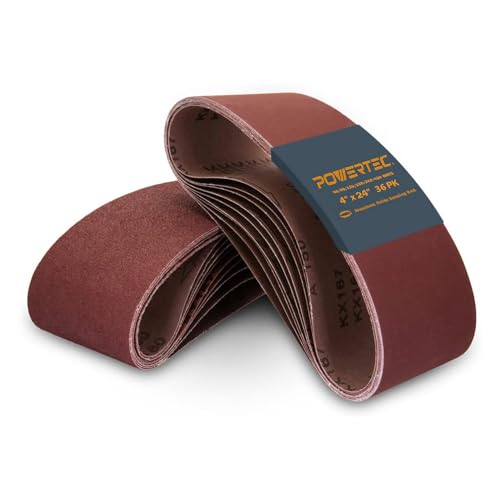
POWERTEC 4 x 24 Inch Sanding Belts (60-400 grit) 36-pack
Large 4x24 assortment: extensive grit range intended for systematic sanding progression in shop settings
Assorted 4x24 inch aluminum oxide sanding belts in 60/80/120/150/240/400 grits. Designed for heavy-duty stripping and sanding on wood and other materials; compatible with common belt sanders. Customers note good fit and value for money, with some durability concerns at the seams
- 36 belts in 6 grits
- 4 x 24 inch size
- aluminum oxide, open coat
-
9

4 x 36 in zirconia sanding belts set (12 pcs) 40/60/80/120
4x36 zirconia set: mid-size belts with hard-wearing zirconia abrasive for tougher stock removal tasks
Set of 12 zirconia sanding belts in 4 grit sizes (40/60/80/120) for belt sanders. Durable, water-resistant zirconia particles with reinforced stitching. Customers note quality, value, and lasting wear
- zirconia belt material
- 4 grits included
- reinforced stitching
-
10

IVY Classic 4x24 36 Grit Sanding Belt
Single-grit 4x24 option: coarse 36-grit aluminum-oxide belt aimed at heavy stock removal and initial shaping
Sanding belt for wood, metal, plastic, and fiberglass finishing. Designed for high sanding performance and long life. Customers note good value and durability, with mixed opinions on seam integrity
- Diagonal lap splice eliminates splice bump
- Designed for long life
- For sanding and finishing multiple materials