Agricultural Vehicle Tires
Agricultural Vehicle Tires covers tractor, implement and utility tires designed for farm and off-road use, with sizes and tread patterns for field traction and load carrying. The 10 indexed products average a 4.64 rating and span budget to mid-range pricing (about $46–$218), with brands like HORSESHOE represented
Top Products

Carlisle Farm Tractor Tire 7.5L-15
Carlisle
Mid-Range
Trans American Inner Tube with TR-218A Valve Stem for 11.2R-28/12.4R-28
Veteran Tire and Rubber
Mid-Range
Trans American Inner Tube with TR-218A Valve Stem 11.2R-24/12.4R-24
Veteran Tire and Rubber
Mid-Range
HORSESHOE 16x6.50-8 6Ply ATV Tractor Tires
HORSESHOE
Mid-Range
(2-Pack) 16x6.50-8 Tubeless Lawn Tractor Tires
AR-PRO
Mid-Range
Carlisle Farm Specialist Bias Tire-1000-16 1L
Carlisle
Premium
Autocessking 15x6.00-6 Tire and Wheel Assembly (2-pack) for Craftsman Mowers
Autocessking
Mid-Range
HorseShoe 10-16.5 14 Ply Skid Steer LoaderTubeless Tire with Rim Guard
HORSESHOE
Premium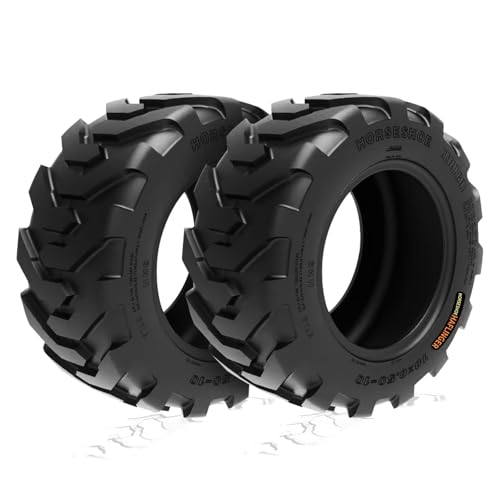
2 NEW 18x8.50-10 Skid Tractor Tires with Rim-Guard
HORSESHOE
Premium
HORSESHOE 12-16.5 14 PLY Skid Steer Loader Tubeless Tire
HORSESHOE
PremiumRoundups
Frequently Asked Questions
How do I choose the right size and load rating for agricultural vehicle tires?
Match the tire size to the wheel rim and the manufacturer’s recommendations for your tractor or implement; check the tire sidewall for size codes (e.g., 7.50-16) and choose a load index or ply rating that meets or exceeds the vehicle’s axle load and any implement loads
What tread type should I pick for field work versus transport on roads?
R-1 (agricultural) or R-1W treads are best for general field traction and digging, R-3 is intended for turf/landscaping where less soil disturbance is needed, and R-4/R-4W or industrial tread designs are better for mixed use with more time on roads or hard surfaces
How does tire construction (bias vs radial) affect performance and cost?
Bias-ply tires typically cost less and have stiffer sidewalls suited for low-speed, heavy impacts; radial tires offer better ride comfort, lower rolling resistance, improved flotation, and longer tread life at higher initial cost, so choose based on operating speeds and ground-impact sensitivity
What factors influence the price range for agricultural vehicle tires?
Price depends on size, tread type, construction (bias vs radial), ply rating, and brand; small implement or used-style tires can be in lower price brackets while large radial tractor tires with high ply ratings are toward the upper end of the market
How should I maintain agricultural tires to maximize life and safety?
Maintain proper inflation according to load and speed, inspect regularly for cuts or sidewall damage, rotate tires when appropriate, avoid exceeding load and speed ratings, and store out of sunlight and ozone sources when not in use
When is it worth repairing a puncture versus replacing the tire?
Repair small tread-area punctures using industry-approved patch/plug methods if the casing and sidewall are undamaged; replace tires with sidewall damage, large tears, multiple repairs, or compromised structural integrity
Are there special considerations for tires used on wet or soft soils?
For wet or soft soils choose wider tires or lower-pressure operation to increase flotation and reduce compaction, and consider R-1W or flotation-specific designs with deeper lugs to improve self-cleaning and traction