Air Conditioning Vacuum Pumps
Air Conditioning Vacuum Pumps for Auto & Garage cover handheld and bench vacuum units used to evacuate automotive A/C systems, with models ranging from budget to mid‑range and premium. The category includes 43 indexed products averaging a 4.41 rating and about (price varies) average price, with brands like Orion Motor Tech commonly represented
Top Products

Orion Motor Tech Vacuum Pump 4.5 cfm 1/3 hp HVAC single stage
Orion Motor Tech
Mid-Range
Orion Motor Tech Vacuum Pump 3.5 CFM 1/4 HP HVAC
Orion Motor Tech
Mid-Range
Orion Motor Tech Vacuum Pump 4.5 cfm 1/3 hp HVAC
Orion Motor Tech
Mid-Range
Orion Motor Tech Vacuum Pump 4 cfm 1/3 hp HVAC single stage
Orion Motor Tech
Mid-Range
VEVOR 4 CFM single-stage vacuum pump for HVAC systems
VEVOR
Mid-Range
XtremepowerUS HVAC Vacuum Pump 3 CFM 1/4 HP with R134a gauge set
XtremepowerUS
Mid-Range
VEVOR 3.5 CFM AC Vacuum Pump and Gauge Set
VEVOR
Mid-Range
VEVOR Vacuum Pump 3.5 CFM 1/4 HP Rotary Vane for HVAC
VEVOR
Mid-Range
SPECSTAR 110V Rotary Vane Vacuum Pump 4.5 CFM 1/3 HP
SPECSTAR
Mid-Range
VEVOR 3.5 CFM AC Vacuum Pump with Gauge Set
VEVOR
Mid-Range
SPECSTAR 110V 1/4 HP Vacuum Pump for R12 R22 R134a R410a
SPECSTAR
Mid-Range
VEVOR 4.5 CFM AC Vacuum Pump with Gauge Set
VEVOR
Premium
3.5 CFM Vacuum Pump, 110V 1/4 HP Single Stage for HVAC/auto
Rogvoc
Mid-Range
Lichamp 3.5 CFM Vacuum Pump 1/4 HP for R134a R410a R22 R12
Lichamp
Mid-Range
VIVOHOME 3.5 CFM 1/4 HP HVAC Vacuum Pump
VIVOHOME
Mid-Range
VIVOHOME 110V 1/4 HP 3.5 CFM Vacuum Pump & 3-Way Manifold Set
VIVOHOME
Mid-Range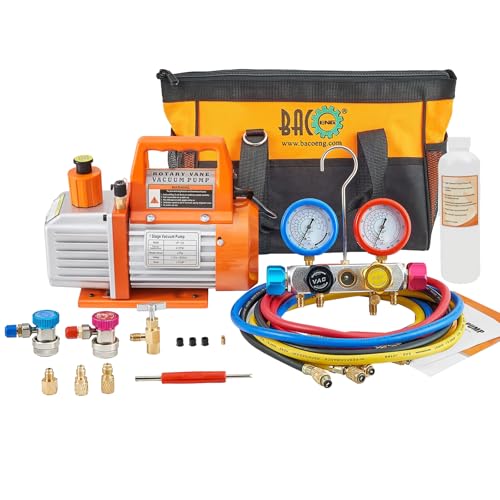
BACOENG 4-way HVAC Vacuum Pump Kit with R134a/R410a/R22 gauges
BACOENG
Mid-Range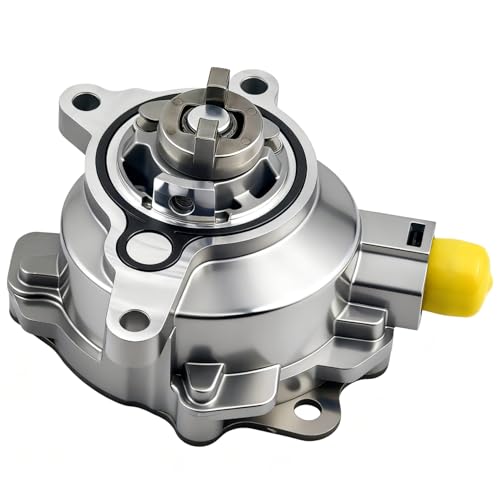
Brake Vacuum Pump for Ford/Lincoln (Explorer 2012-2019, Escape 2013-2018, Fusion 2013-2020, Focus 2013-2014, Edge 2012-2018, Mustang, Taurus, MKZ, MKT, MKC)
Quivimoro
Mid-Range
BACOENG 3.6CFM 1/4HP AC Vacuum Pump with Manifold Gauge Set
BACOENG
Mid-Range
VEVOR 3.5 CFM AC Vacuum Pump with Gauge Set
VEVOR
Mid-Range
Orion 1/4 hp AC Vacuum Pump & Gauge Kit with 3 hoses
Orion Motor Tech
Mid-Range
SPECSTAR 1/2 HP 5 CFM Dual-Stage Vacuum Pump for AC systems
SPECSTAR
Mid-Range
Orion Motor Tech AC Vacuum Pump Kit with Gauge and Leak Detector
Orion Motor Tech
Mid-Range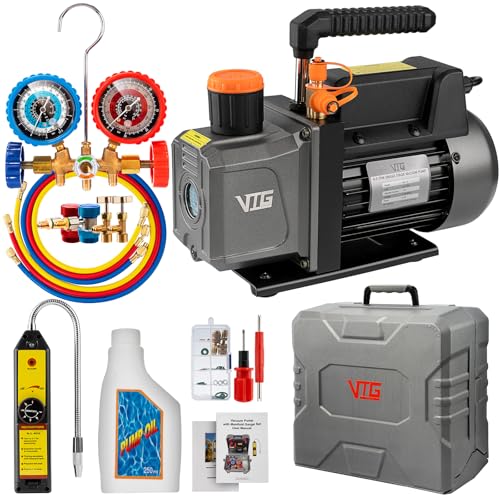
4.5 CFM AC Vacuum Pump and Gauge Set for HVAC systems
VTG VOGTEN
Mid-RangeRoundups
Frequently Asked Questions
What capacity and CFM rating should I look for in an automotive A/C vacuum pump?
For automotive and garage use, choose a pump with at least 3–7 CFM (cubic feet per minute) for single-vehicle servicing; 7–13 CFM or higher is preferable if you plan to evacuate multiple systems or RV/heavy-duty units. Also check the ultimate vacuum (microns) — look for pumps that achieve 50 microns or lower for a thorough moisture and air removal
How do single-stage and two-stage vacuum pumps differ, and which is better for car A/C work?
Single-stage pumps are simpler and generally adequate for routine automotive A/C R-134a/R-1234yf work, reaching moderate vacuum levels faster; two-stage pumps provide deeper ultimate vacuum (lower microns) and better performance for moisture-sensitive or larger systems. Choose based on how deep a vacuum you need: routine car systems can use single-stage, while heavy-duty or professional shops may prefer two-stage
What power source and motor specifications matter when buying an A/C vacuum pump?
Look at motor power (horsepower or watts), voltage compatibility (110–120V or 220–240V), and duty cycle. Higher horsepower generally improves evacuation speed; ensure the voltage matches your workshop supply and check if the pump is rated for continuous or intermittent use to match your workflow
Which features improve usability and durability for garage vacuum pumps?
Useful features include oil sight glass and drain for easy monitoring and maintenance, thermal overload protection, vibration-dampening feet, durable metal housing, and port fittings that match standard A/C service hoses. Removable/replacement oil reservoirs and easy-access filters also extend service life
How should I maintain an A/C vacuum pump to ensure reliable performance?
Change the pump oil after the first 30–50 hours and then regularly per manufacturer guidance or after contaminated evacuations; monitor oil color and micron level, replace worn seals and gaskets, and keep inlet screens and filters clean. Store the pump in a dry environment and run it periodically if unused to prevent seals from drying
What safety and compatibility checks should I perform before using a vacuum pump on a vehicle A/C system?
Confirm hose and coupling compatibility with the service ports and that the pump oil is suitable for A/C evacuation (vacuum pump oil, not motor oil). Use proper gauges and a micron gauge to verify vacuum level, ensure the system is isolated from refrigerant recovery equipment, and follow standard safety practices like eye protection and adequate ventilation
How much should I expect to pay for an automotive A/C vacuum pump and how do budget choices differ?
Prices for automotive/garage vacuum pumps typically range from budget models under $100 to professional units several hundred dollars; midrange options commonly fall around the low hundreds. Lower-cost pumps may have less CFM, lower-quality materials, and shorter duty cycles, while higher-priced units usually offer more CFM, deeper vacuum capability, better build quality, and longer duty cycles