Antifreezes & Coolants
Antifreezes & coolants for automotive use, including ethylene/propylene glycol blends, long-life and specialty formulations for engines, radiators, and marine systems. Category averages 4.64 stars across 47 products, with price tiers from about $32 to $190 and brands like VP Racing represented
Top Products

BMW Genuine Antifreeze/Coolant (82141467704)
BMW
Budget
Polaris 50/50 Premix Extended Life Antifreeze - 1 gal
Polaris
Budget
Lisle Spill Free Funnel with Adapters
Lisle
Budget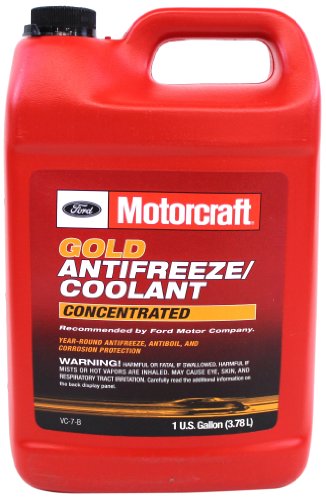
Ford Genuine VC-7-B Gold Antifreeze/Coolant 1 Gal
Ford
Budget
Genuine 00272 SLLC2 Engine Coolant / Antifreeze
Genuine
Budget
Subaru Genuine Blue Super Coolant Prediluted 1 Gal
Subaru
Mid-Range
Toyota-Scion Engine Coolant/Antifreeze Set (2) Genuine
Genuine
Mid-Range
Valvoline Zerex G48 Concentrate Antifreeze/Coolant 1 GA
Valvoline
Budget
Genuine Long Life Coolant 1 Gallon (00272-1LLAC-01) Toyota
Toyota
Mid-Range
Engine Ice Hi-Performance Snowmobile & Winter Coolant + Antifreeze
Engine Ice
Budget
Engine Ice high-performance coolant 0.5 gal 2 pack
Engine Ice
Mid-Range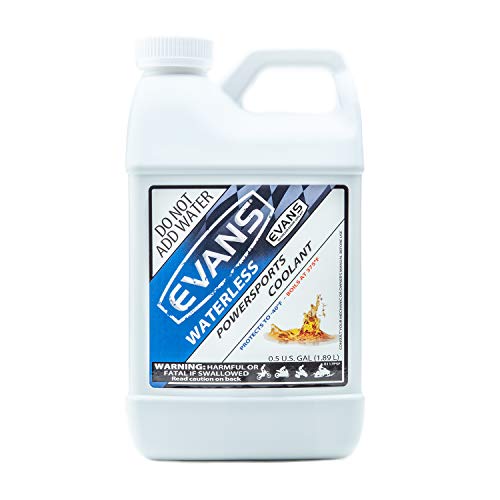
EVANS Powersports Waterless Engine Coolant EC72064 (1/2 gallon)
EVANS
Budget
Ford Gold Pre-Diluted Antifreeze/Coolant 1 Gallon
Ford
Budget
Engine Ice Off-Road coolant for motorcycles
Engine Ice
Budget
Propylene Glycol USP Food Grade 1 gal jug with child safety cap
Duda Energy
Budget
Century Heat Transfer Fluid for RV Heating Systems
Century Chemical
Budget
Premium RV & marine antifreeze -75°F, 2 gal (2-pack) pink
Trade Grade
Budget
Phoenix Systems 8001-B Coolant Test Strip (100 tests)
Phoenix Systems
Mid-Range
STAR BRITE Premium -100 Boiler System Antifreeze (Propylene Glycol) 1 Gallon
STAR BRITE
Mid-Range
RecPro RV Antifreeze Concentrate 32 oz (1:3) -50F protection
RecPro
Budget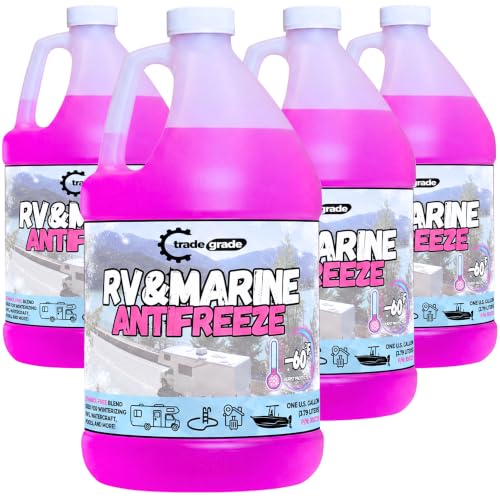
Premium RV & marine antifreeze -75F - 4 gal (4-pack) pink
Trade Grade
Mid-Range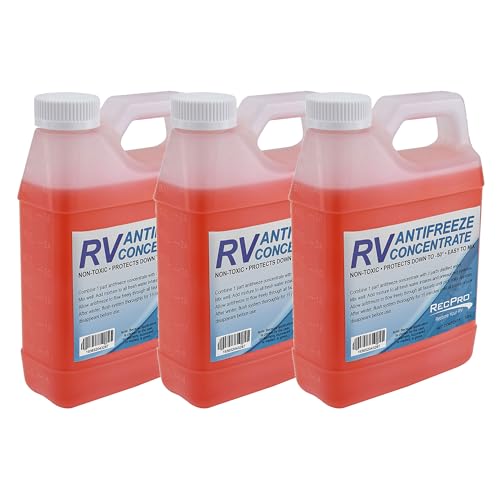
RecPro RV antifreeze concentrate 32 oz (3 pack)
RecPro
Mid-Range
OMTech CO2 laser coolant fluid 1 gal blue
OMTech
Budget
Stay Frosty Hi-Performance Coolant 1 gal
VP Racing
Mid-RangeRoundups
Frequently Asked Questions
How do I choose the right type of antifreeze/coolant for my vehicle?
Check your vehicle owner's manual for the required coolant chemistry (IAT, OAT, HOAT, or silicon-based) and concentration; choose a product that matches that specification and is compatible with your engine materials and seals
What concentration should I use: pre-mixed or concentrated coolant?
Use pre-mixed coolant for convenience and the correct freeze/boil protection, or mix concentrated coolant with distilled water to the manufacturer-recommended ratio (commonly 50/50) for target freeze and boil protection and corrosion inhibition
How often should I flush and replace coolant?
Replacement intervals depend on coolant type and vehicle: conventional IAT often needs changing every 2 years, while many OAT/HOAT or specialty coolants extend to 5 years or more; follow your vehicle manufacturer recommendations and monitor for contamination or reduced performance
Can I mix different coolant chemistries or brands?
Mixing different coolant chemistries (IAT, OAT, HOAT) or incompatible formulations can reduce corrosion protection and shorten service life; only mix if the product labels and your vehicle documentation explicitly state compatibility
What are signs of coolant problems to watch for?
Watch for engine overheating, low coolant level with recurring loss, discolored or oily coolant, sweet smell from the engine bay, or coolant leaks; any of these warrant inspection and possible cooling-system service
Are there specialty coolants and when should I consider them?
Specialty coolants like long-life OAT/HOAT formulas, low-silicate or phosphate-free, and dry or non-water-based coolants are used for specific engines, high-performance applications, or to avoid deposit issues; select them when your vehicle manual or service advisor specifies them
How should I store and dispose of coolant safely?
Store coolant in its original, labeled container out of reach of children and pets and away from extreme temperatures; dispose of used coolant at a local hazardous-waste or recycling facility following local regulations because it is toxic and should not be poured down drains