Antitheft Locking Devices
Antitheft Locking Devices for Auto & Garage covers steering wheel, brake/clutch, pedal and hitch locks plus garage door and wheel immobilizers designed to deter vehicle theft and tampering. The 41 indexed products average 4.49 stars and range from budget to mid‑range prices (avg about (price varies)); brands include Tevlaphee and Winner International
Top Products

Tevlaphee steering wheel lock for cars, anti-theft device
Tevlaphee
Budget
Tevlaphee steering wheel lock with 3 keys
Tevlaphee
Budget
Tevlaphee steering wheel lock - heavy duty anti-theft device
Tevlaphee
Mid-Range
The Club Twin Hook Steering Wheel Lock (yellow) by Winner International
Winner International
Mid-Range
Tevlaphee steering wheel lock anti-theft device, heavy duty
Tevlaphee
Mid-Range
Tevlaphee Steering Wheel Lock Anti-Theft Device, Blue
Tevlaphee
Budget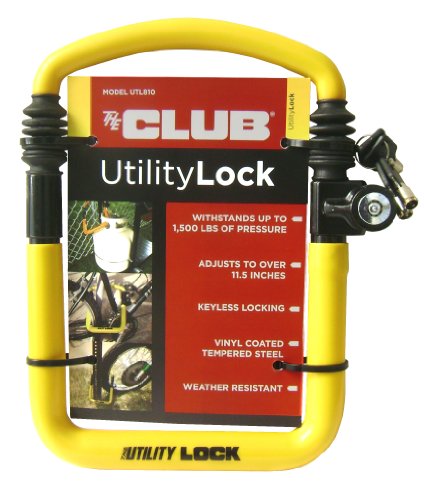
The Club Utility Lock, 8.5-11.5 in, yellow
Winner International
Budget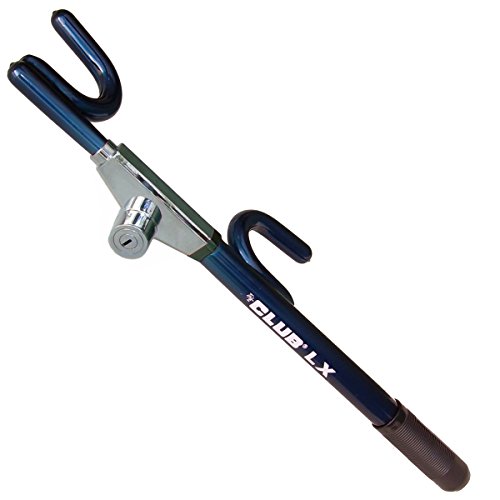
The Club LX Series Steering Wheel Lock (Blue)
Winner International
Mid-Range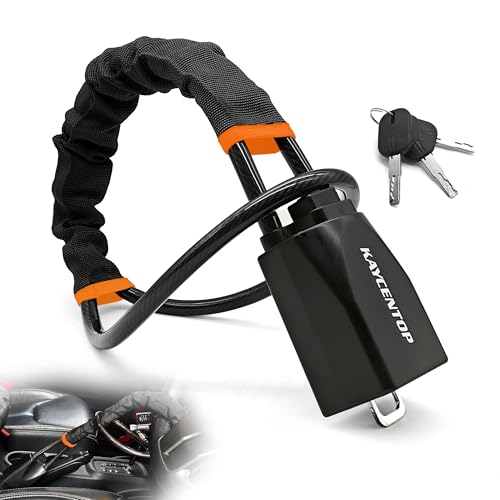
KAYCENTOP Steering Wheel & Seat Belt Lock
KAYCENTOP
Budget
Winner International steering wheel lock LX Series
Winner International
Mid-Range
The Club Steering Wheel Lock for Trucks/SUVs
Winner International
Mid-Range
Undercover lock kit RSAS1002CL
UNDERCOVER
Budget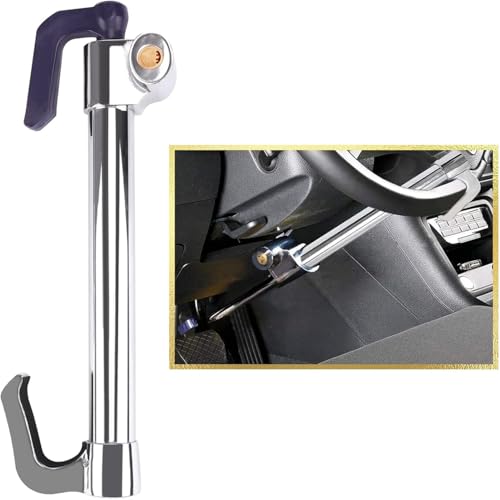
Tevlaphee universal steering wheel brake lock with 3 keys
Tevlaphee
Mid-Range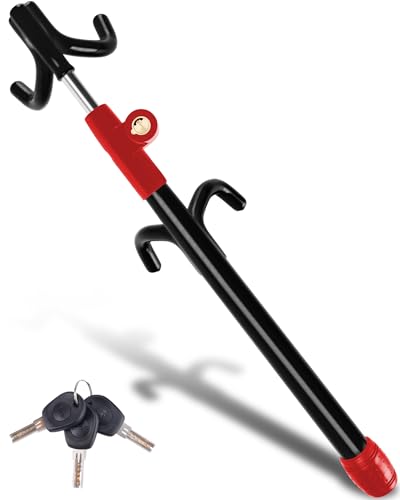
Tevlaphee Car Steering Wheel Lock
Tevlaphee
Budget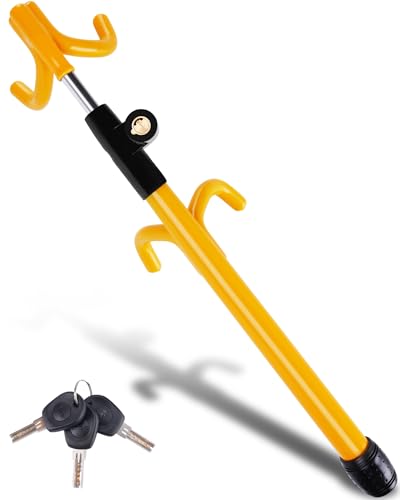
Tevlaphee Car Steering Wheel Lock – Adjustable Anti Theft Device
Tevlaphee
Budget
Tevlaphee universal steering wheel lock with 3 keys
Tevlaphee
Mid-Range
Tevlaphee steering wheel lock, anti theft with 5-dial combination
Tevlaphee
Mid-Range
Tevlaphee steering wheel lock with 5-digit combination
Tevlaphee
Mid-Range
Tevlaphee Steering Wheel Lock anti theft device with 5-dial combination
Tevlaphee
Mid-Range
steering wheel lock anti-theft device (33.5in)
Esploratori
Budget
Tevlaphee steering wheel lock, 5-dial combination anti-theft device
Tevlaphee
Mid-Range
Turnart steering wheel lock with 3 keys, universal anti-theft device
Turnart
Budget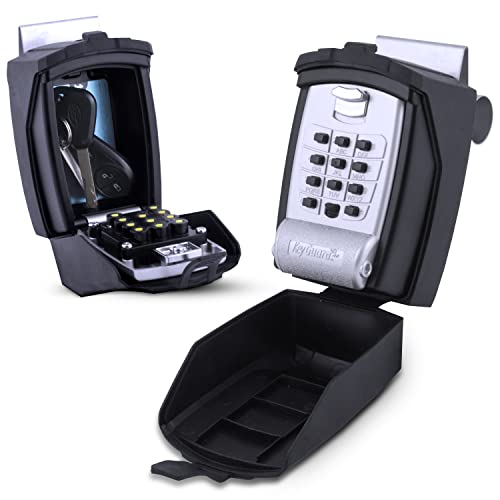
SL-591 Portable Car Lock Box by KeyGuard
KeyGuard
Mid-Range
Tevlaphee Steering Wheel Lock - 5-dial keyless anti-theft lock (red)
Tevlaphee
Mid-RangeRoundups
- Best Antitheft Locking Devices for Daily Commute (2026)
- Best Antitheft Locking Devices for Daily Vehicle Security (2026)
- Best Antitheft Locking Devices Under $200 (2026)
- Best Antitheft Locking Devices Under $100 (2026)
- Best Antitheft Locking Devices Under $50 (2026)
- Best Antitheft Locking Devices (2026 Guide)
Frequently Asked Questions
How do I choose the right antitheft locking device for my car or garage?
Match the device to the application (steering wheel, brake pedal, wheel/clamp, hitch, garage door) and to the level of deterrence you want; check materials (hardened steel), locking mechanism type (key, combination), fitment dimensions, and compatibility with your vehicle or door before purchasing
What are the main types of antitheft locks for vehicles and garages?
Common types include steering wheel locks, pedal locks, wheel clamps, hitch locks, trailer coupler locks, and garage door lock bars; each targets a different theft vector and varies in visibility, portability, and installation complexity
How much should I expect to spend on a reliable antitheft device?
Prices vary widely; basic visible deterrents and combination locks often start under $50, midrange hardened-steel devices commonly fall in the $50–$150 range, and specialized or heavy-duty units can cost more depending on materials and features
What features matter most for durability and security?
Look for hardened or alloy steel construction, corrosion-resistant coatings, tamper-resistant keyways or high-security combinations, solid locking pins or deadbolt-style mechanisms, and attention to weld and joint quality to resist cutting and prying
How do I maintain an antitheft lock to ensure long life and reliable operation?
Keep moving parts clean and lightly lubricated with a graphite or dry Teflon lubricant, store any removable parts in a dry place when not in use, periodically inspect for rust or wear, and replace worn locks or keys promptly
Are keyed locks or combination locks better for convenience and security?
Keyed locks can offer higher pick resistance depending on the keyway and are convenient if you prefer one-touch operation, while combination locks remove the need for a key but require remembering codes; security depends on mechanism quality rather than type alone
What should I check for compatibility before buying an antitheft device?
Measure clearance and mounting points where the device will attach, verify tow or hitch sizes for hitch locks, confirm wheel or steering column dimensions for clamps and bars, and read product specs for minimum and maximum fit ranges to ensure proper fit