Automobile Chassis Body & Suspension Lift Kits
This category covers chassis, body and suspension lift kits and related hardware for cars and trucks, including spacer kits, lift blocks, strut extensions and mounting components. The index includes 162 products with an average rating of 4.51 and price tiers from about $33 to $240, featuring brands like KSP PERFORMANCE
Top Products

Rough Country 2" Leveling Kit for 2007-2018 Chevy/GMC 1500
Rough Country
Budget
KSP 1.5in Front Strut Spacers for F-150 Lift Kit (2pc, Black)
KSP PERFORMANCE
Budget
MZS 1.5in Rear Lift Kit for Ram 1500, Tahoe, Suburban, Avalanche
MZS
Budget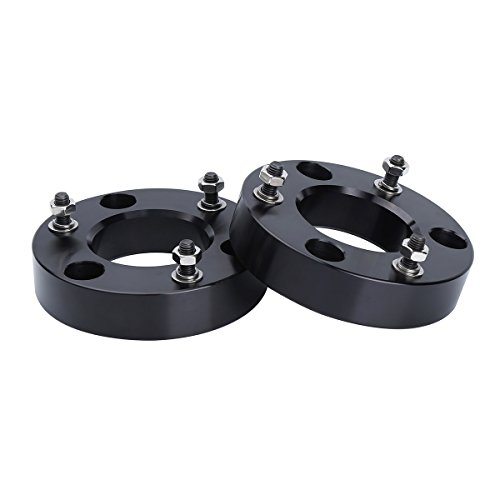
2 in front lift kit for Silverado & Sierra 2007-2026
dynofit
Mid-Range
Flycle 1.5'' Front Leveling Kit for Tacoma 2005-2023
FLYCLE
Budget
Dynofit Rear Shock Extenders for Silverado/Sierra (2-4 inch lift)
dynofit
Budget
Maxracing 2" Rear Leveling Kit for Ram Tahoe Suburban Yukon & More
MAXRACING
Mid-Range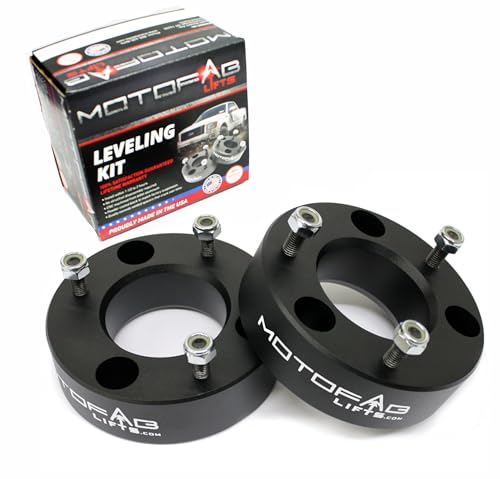
MotoFab Lifts F150-2 2 in Front Leveling Lift Kit
MOTOFAB LIFTS
Mid-Range
KSP 2.5in Front Leveling Lift Kit for Silverado Sierra 1500
KSP PERFORMANCE
Mid-Range
Maxracing 2.5in Rear Leveling Kit for 2009-2025 Ram 1500 and more
MAXRACING
Mid-Range
KSP Silverado Leveling Lift Kits 2in Front Suspension Spacers (2pc)
KSP PERFORMANCE
Mid-Range
MotoFabLifts Front Leveling Lift Kit for Chevy/GMC
MOTOFAB
Mid-Range
KSP 2.5" Front Leveling Kit for F-150 / Expedition
KSP PERFORMANCE
Mid-Range
Maxracing 2.5in Leveling Kit for 2007-2025 Chevy SUV/Full-Size
MAXRACING
Budget
Maxracing 2.5in Front Leveling Kit for Chevy Silverado/Avalanche/Suburban
MAXRACING
Budget
Dynofit 1.5 in Rear Lift Spacers for Ram 1500 & Tahoe
dynofit
Budget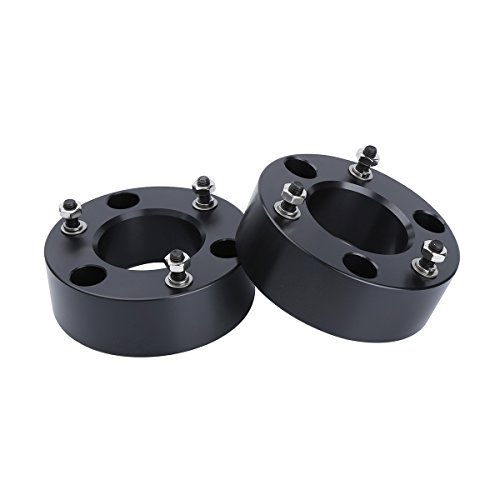
Dynofit 2.5" leveling kit for Silverado/Sierra 1500
dynofit
Mid-Range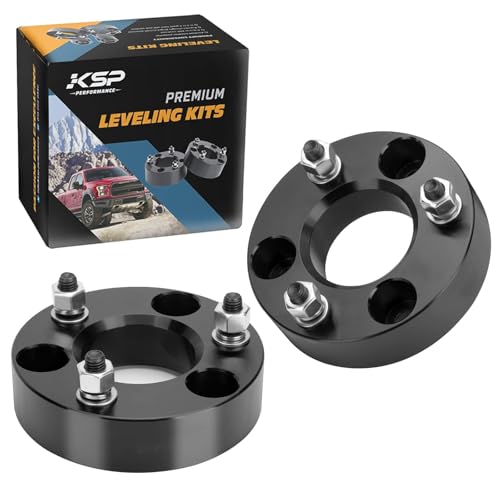
KSP 2in Front Lift Kit for Ram 1500/Dakota 2in leveling spacers
KSP PERFORMANCE
Mid-Range
KSP 2.5in Front Leveling Kits for Ram/Dodge (2pc) 2005-2024
KSP PERFORMANCE
Mid-Range
2.5 inch leveling lift kit for Tacoma/4Runner
Richeer
Mid-Range
Rough Country 2
Rough Country
Mid-Range
KSP 3" Front Leveling Lift Kits for Tacoma/4Runner/FJ Cruiser
KSP PERFORMANCE
Mid-Range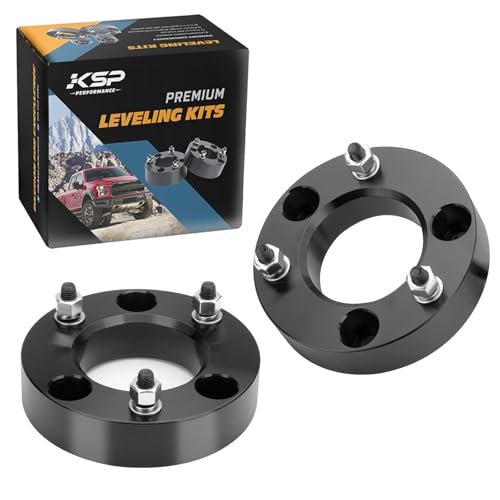
KSP 2in Front Leveling Lift Kits for F-150 2004-2026 (Pack of 2)
KSP PERFORMANCE
Mid-Range
Maxracing 1.5in Rear Leveling Kit for 2009-2026 Ram 1500 and more
MAXRACING
Mid-RangeRoundups
Frequently Asked Questions
How do I choose the right lift kit for my vehicle?
Match the lift kit to your exact make, model and year and decide whether you need a body lift (raises the body off the frame), a suspension lift (increases suspension height and ground clearance), or a leveling kit (front-to-rear height correction). Check weight capacity, compatibility with factory components (steering, brakes, driveline), and whether additional parts like longer shocks or brake lines are required
What are the main differences between body lifts and suspension lifts?
Body lifts raise the vehicle body from the frame using spacer blocks and do not increase suspension travel or ground clearance under the axles; suspension lifts modify springs, coils or control arms to increase ride height and ground clearance and can change handling and driveline angles. Suspension lifts are better for off-road clearance, while body lifts are typically less expensive and preserve factory suspension geometry
How much should I expect to pay for a lift kit and installation?
Aftermarket lift kits range widely—budget hardware and mild leveling kits often fall under $100, mid-range suspension kits commonly range from a few hundred to around $1,000, and comprehensive lift systems can cost more; professional installation will add labor costs that vary by shop and complexity. Factor in potential extra parts (extended brake lines, alignment, adjustable control arms) when budgeting
Will a lift kit affect my vehicle's handling, fuel economy, or warranty?
Lifting a vehicle can change center of gravity, steering and suspension geometry, which may increase body roll, alter ride quality and slightly reduce fuel economy. Manufacturer warranty impact varies—modifications can void warranty coverage on affected components in some cases, so check warranty terms and consult the dealer if concerned
Can I install a lift kit myself, and what tools or skills are required?
Simple leveling or small body lift kits can be installed by experienced DIYers with common tools (jack stands, torque wrench, basic hand tools), but full suspension lift kits often require advanced skills, alignment equipment and specialty tools and are best installed by a qualified shop. Follow the kit’s instructions precisely and plan for a post-installation wheel alignment
How do I maintain a lifted vehicle to ensure safety and longevity?
Perform regular inspections of suspension components, fasteners and driveline angles, maintain proper torque on mounting hardware, check and replace worn bushings or shocks, and get periodic wheel alignments. Also monitor tire wear and pressure, and verify that upgrades like extended brake lines or track bars remain secure
Will a lift kit allow me to fit larger tires, and what else might I need?
Most lift kits increase clearance to fit larger diameter or wider tires, but you may also need wheel backspacing adjustments, trimming or fender modifications, and modifications to steering or suspension components to prevent rubbing and maintain safe handling. Confirm recommended tire sizes for the specific lift height and vehicle before purchasing