Automobile Insulation
Automobile Insulation covers sound-deadening mats, heat shields, spray foams, and trim/door liners for reducing road noise and thermal transfer in cars and garages. The 94 indexed products span budget through premium options (average price ~(price varies)) and include brands such as Dynamat
Top Products

80 mil 18 sqft Car Sound Deadening Mat by Kilmat
KILMAT
Budget
Noico car sound deadening mat 80 mil 18 sqft
Noico Solutions
Budget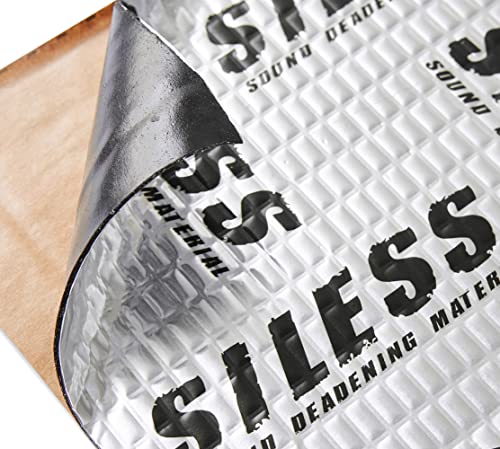
Siless 80 mil 18 sq ft car sound deadening mat
Siless
Budget
KILMAT 50 mil car sound deadening mat, 25 sq ft
KILMAT
Budget
KILMAT 80 mil Car Sound Deadening Mat
KILMAT
Mid-Range
Insulating Cover 2719 for MaxiBus BusBar by Blue Sea Systems
Blue Sea Systems
Budget
Noico 80 mil Car Sound Deadening Mat (36 sq ft) - Butyl Automotive Insulation
Noico Solutions
Mid-Range
KILMAT sound deadening mat 50 mil 50 sq ft butyl foil
KILMAT
Mid-Range
Blue Sea Systems 2718 Insulating Cover for MaxiBus
Blue Sea Systems
Mid-Range
MAT66 ProBlack 80 mil 18 sqft Car Sound Deadening Mat
MAT 66
Budget
Dynamat Xtreme sound deadening sheet, 4 sq ft
Dynamat
Budget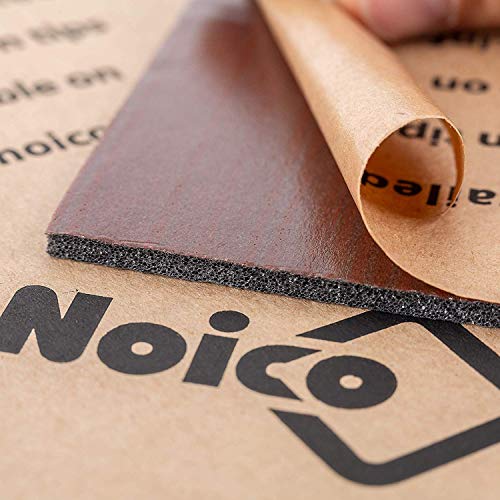
Noico Red 150 mil car insulation liner (4 mm) - 36 sq ft
Noico Solutions
Mid-Range
Car sound deadening mat, 34-piece
Amazon Basics
Mid-Range
CANOPUS Sound Deadening Mat for Cars, 50 mil, 18 sqft, 9 sheets
CANOPUS
Budget
CANOPUS 50 mil sound deadening mat for cars
CANOPUS
Mid-Range
Siless Liner 157 mil (4 mm) Aluminum Foil Finish Car Sound Deadener
Siless
Mid-Range
Siless 50 mil car sound deadening mat 52 sq ft
Siless
Mid-Range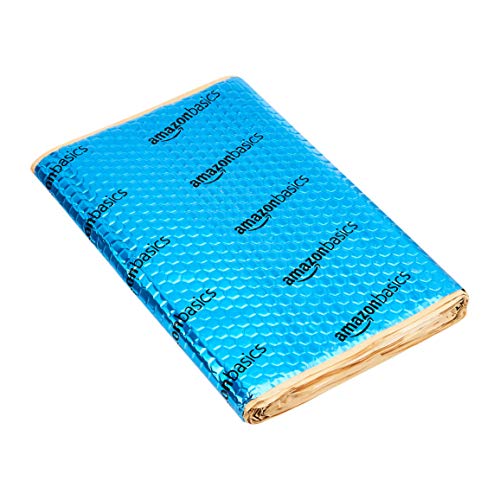
Car sound deadening mat, 9-piece (18" x 32")
Amazon Basics
Mid-Range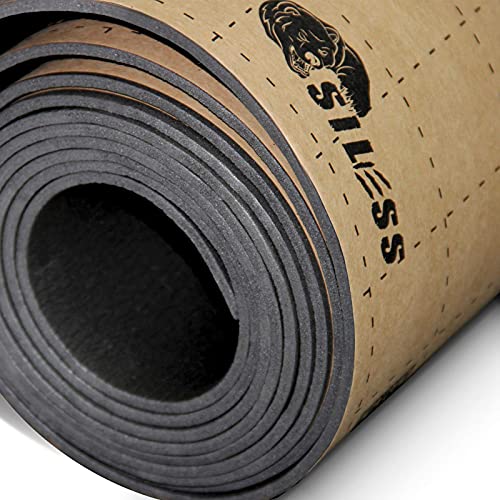
Siless Liner 157 car insulation liner
Siless
Mid-Range
CANOPUS 50 mil butyl sound deadening mat kit (18 sheets)
CANOPUS
Mid-Range
uxcell heat insulation foam sound deadener mat 60x40 in
uxcell
Mid-Range
Car sound deadening material with aluminum foil foam sheets
AggSound
Budget
CANOPUS 50 mil Butyl Sound Deadener Mat, 18 sqft (9 sheets)
CANOPUS
Budget
Abahub 236 mil 59x39 in Aluminum Sound Deadener
Abahub
BudgetRoundups
Frequently Asked Questions
How do I choose the right type of automobile insulation for my car or garage project?
Select based on purpose: sound deadening mats for reducing road and vibration noise, thermal barrier foams or reflective wraps for heat control, and bulk insulation for garage wall/ceiling R-value. Consider material thickness, adhesive type, cut-to-fit sheets, and compatibility with metal, plastic, or painted surfaces
What factors determine how much insulation I need and how should I measure?
Measure the total surface area you plan to cover (floor, doors, trunk, roof, or garage walls) and add 10–15% waste for overlaps and cuts. For sound deadening, full-panel coverage of doors and floor is common; thermal projects use coverage based on desired R-value and whether you’ll layer materials
How do performance metrics like thickness, STC, and thermal R-value affect results?
Thickness and density improve low-frequency vibration damping and thermal resistance; sound transmission class (STC) indicates airborne noise reduction, while R-value measures thermal resistance. For noise, heavier/dense mats work better; for heat, reflective layers and higher R-values reduce radiant and conductive heat transfer
Are automobile insulation materials safe and compatible with vehicle components?
Most automotive insulation is made from closed-cell foam, butyl, aluminum foil, or composite layers that are non-corrosive and designed for automotive use; verify manufacturer notes for paint, wiring, and airbag compatibility and choose non-flammable or fire-retardant rated products where required
How long does automotive insulation last and does it require maintenance?
Properly installed materials typically last many years without maintenance; adhesive may degrade in extreme heat or moisture over long periods. Inspect occasionally for peeling, water intrusion, or mold in garage installations and replace sections that lose adhesion or become wet
What price ranges should I expect and how do I balance cost versus performance?
Automobile insulation products commonly range from budget kits under $50 to more advanced multi-layer or branded kits over $150, with an average around $80. Balance cost by prioritizing areas with the most noise or heat transfer and choosing thicker or multi-layer materials where performance matters most