Automobile Window Tinting Kits
This category covers do-it-yourself automobile window tinting kits and accessories for cars and trucks, including films, installation tools, and edge trims. About 60 products are indexed with an average rating of 4.07 and mid-range pricing (roughly $34–$250); top brands include RockRose and Gomake
Top Products

Mkbrother 24x300 Window Tint Film 5% VLT
Mkbrother
Budget
Mkbrother car window tint film 5% VLT 36x240 roll
Mkbrother
Mid-Range
Gomake Window Tint Kit with Bulldozer Squeegee and Scraper
Gomake
Budget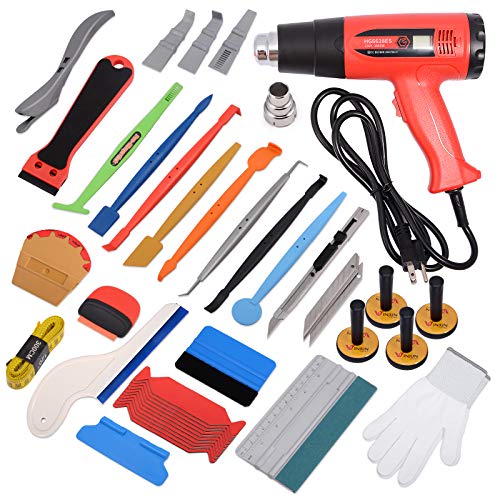
Gomake Vinyl Wrap Tool Car Kit for Window Tinting
Gomake
Mid-Range
RockRose Nano Ceramic Window Tint 20x15ft 2-ply Charcoal
RockRose
Budget
RockRose Nano Ceramic Car Window Tint (20% VLT) 20in x 15ft
RockRose
Budget
RockRose 20% Car Window Tint 36 in x 25ft 1ply Carbon Charcoal
RockRose
Budget
RockRose Car Window Tint 5% 20in x 100ft Carbon Charcoal Film
RockRose
Mid-Range
RockRose Car Window Tint 36in x 20ft 1PLY Carbon Charcoal
RockRose
Budget
VViViD Air-Tint Dark Black Headlight/Taillight Window Tint (120" x 60")
VViViD
Mid-Range
RockRose 5% Car Window Tint 36" x 25ft 1-ply Carbon Charcoal Film
RockRose
Budget
RockRose Car Window Tint 35% IR Rejection 36x25FT 1PLY Carbon Charcoal
RockRose
Budget
RockRose Nano Ceramic Car Window Tint 35% VLT 40in x 15ft 2-ply Charcoal
RockRose
Mid-Range
RockRose Nano Ceramic Car Window Tint 5% VLT 20x20ft Charcoal
RockRose
Budget
Window Tint Tools Kit for Car Wrapping and Tinting
TRAYCLICKS
Mid-Range
RockRose Car Window Tint 20 in x 100 ft 1-ply Carbon Charcoal Film
RockRose
Mid-Range
RockRose Nano Ceramic Window Tint 24 x 15ft 2-ply Charcoal
RockRose
Budget
RockRose 5% Nano Ceramic Window Tint Film 24x15ft, 2-ply Charcoal
RockRose
Budget
RockRose Nano Ceramic Window Tint 40x10ft 2-ply 20% VLT Charcoal
RockRose
Budget
RockRose 35% Nano Ceramic Window Tint Film 40" x 10ft
RockRose
Budget
RockRose Nano Ceramic Window Tint 20% VLT 20in x 25ft
RockRose
Mid-Range
RockRose Nano Ceramic Window Tint 20ft x 25ft 2-ply Charcoal
RockRose
Mid-Range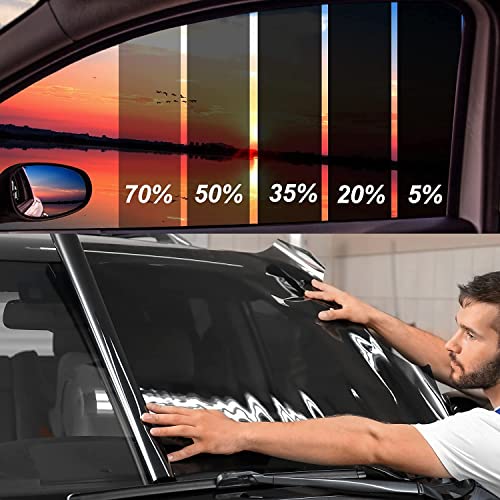
TOYOCO Window Tint Film 80% VLT 36in x 10ft Ceramic Car Tint
TOYOCO
Mid-Range
RockRose 5% car window tint 24x100ft 1-ply carbon charcoal film
RockRose
Mid-RangeRoundups
- Best Automobile Window Tinting Kits for Heat Reduction In Vehicles (2026)
- Best Automobile Window Tinting Kits for Car Window Tinting (2026)
- Best Automobile Window Tinting Kits for Home Window Privacy (2026)
- Best Automobile Window Tinting Kits Under $200 (2026)
- Best Automobile Window Tinting Kits Under $100 (2026)
- Best Automobile Window Tinting Kits Under $50 (2026)
- Best Automobile Window Tinting Kits (2026 Guide)
Frequently Asked Questions
How do I choose the right window tinting kit for my vehicle?
Measure your windows and check whether the kit is cut-to-size or a universal sheet; choose film type (dyed for appearance, metalized for durability/conductivity, ceramic for heat rejection) and an appropriate Visible Light Transmission (VLT) percentage that complies with local tint laws
What should I expect to pay for an auto window tinting kit?
Kits generally range from budget options under $50 to higher-end ceramic-style films several hundred dollars, with many consumer kits averaging around the low hundreds; price typically varies by film type, included tools, and the number of windows covered
Are DIY tinting kits difficult to install and what tools or skills are required?
Basic kits include film, a squeegee, a cutting blade, and installation spray; successful installation requires steady hands, patience, a clean workspace, and experience trimming film to fit curves—complex rear windows or curved surfaces can be challenging for first-time installers
How do I know if a tint kit complies with local laws?
Check your jurisdiction's maximum allowed window darkness (VLT percentage) and specific rules for front side, rear side, and windshield tinting, then choose film with VLT ratings and reflective properties that meet those limits
What maintenance is required after installing window tint film?
Avoid rolling windows down for at least 48–72 hours, clean gently with a non-ammonia cleaner and a soft cloth, and avoid abrasive tools or sharp polishes; inspect edges periodically for peeling and reapply edge-seal if provided
How long does window tint film typically last and what causes failure?
Lifespan depends on film quality and exposure but commonly ranges from several years to over a decade; common failure modes include bubbling from improper installation, peeling at edges, fading or discoloration from UV exposure, and scratching from abrasive cleaning
What features should I compare between different brands and kits?
Compare film construction (dyed, metalized, ceramic), VLT options, warranty length and coverage, whether pre-cut patterns for your vehicle are offered, included installation tools, and any claims about UV or heat rejection verified by independent measurements