Automotive Battery Jumper Cables
This Automotive Battery Jumper Cables category covers heavy-gauge jumper cables and emergency starter leads for cars, trucks, and SUVs, with mid-range to premium options. Forty-six products average a 4.67 rating and typical prices around $33–$130; top brands include TOPDC and Energizer
Top Products

Energizer 16 ft 2-gauge jumper cables with carrying bag
Energizer
Budget
TOPDC 4 Gauge 20 ft Jumper Cables for Car, SUV & Truck
TOPDC
Budget
CARTMAN 20ft Jumper Cable Kit for Cars
CARTMAN
Budget
Energizer 25 ft 2-gauge jumper cables with carrying bag
Energizer
Mid-Range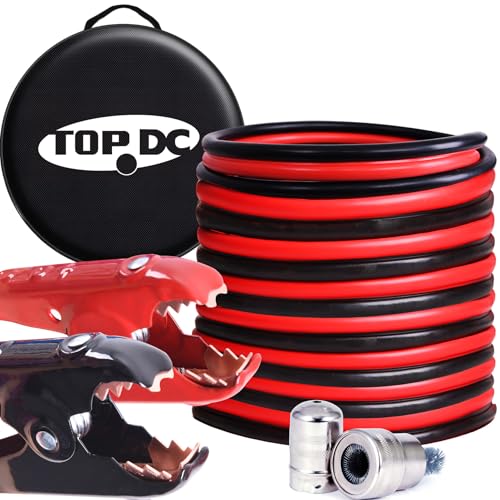
TOPDC 2 Gauge 20 ft Jumper Cables
TOPDC
Mid-Range
TOPDC 1 Gauge 25 ft Jumper Cables for Cars, SUVs and Trucks
TOPDC
Mid-Range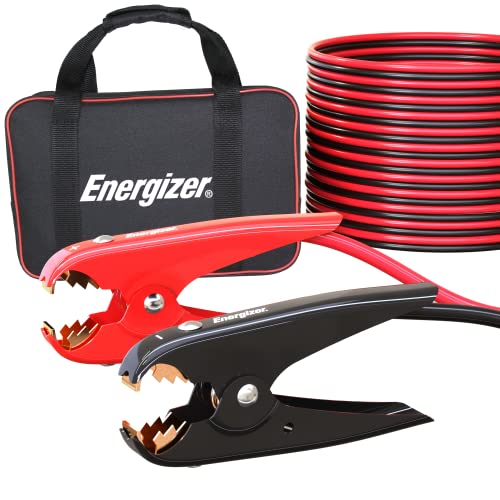
Energizer 1-Gauge 25 ft Jumper Cables
Energizer
Mid-Range
TOPDC 0/2 gauge heavy duty jumper cables, 20 ft with case
TOPDC
Mid-Range
Goodyear heavy-duty jumper cables 4 gauge 20 ft
Goodyear
Budget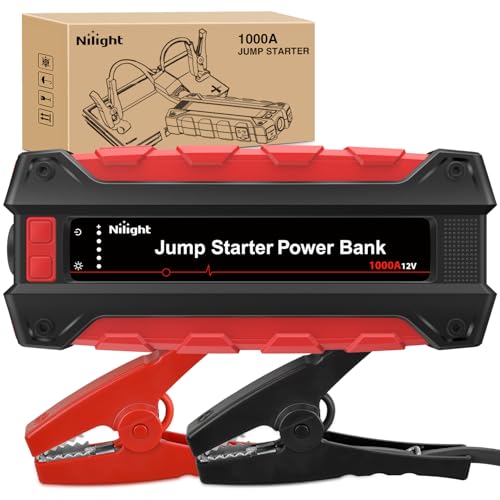
Nilight 1000A Jump Starter for 6.0L gas & 4.0L diesel
Nilight
Mid-Range
TOPDC 1 Gauge 25 Ft Jumper Cables with UL Clamps
TOPDC
Mid-Range
Goodyear 2 Gauge 16 ft Jumper Cables with Case
Goodyear
Budget
Goodyear 4 gauge 16 ft jumper cables with case
Goodyear
Budget
ABN 25ft 2-Gauge 600A Jumper Cables
ABN
Budget
Jumper Cables 2 AWG 20ft with Carry Bag
All Road
Budget
Goodyear 2 Gauge 20 ft Jumper Cables with Case
Goodyear
Budget
2 Gauge Jumper Cables with 20ft length and S7 protection
Noone
Budget
Nilight 2000A Car Battery Jump Starter for 8.0L gas & 7.0L diesel
Nilight
Mid-Range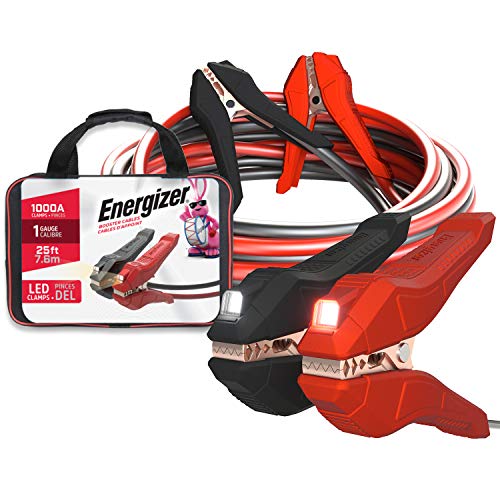
Energizer 25 ft jumper cables, 1 gauge with LED lights
Energizer
Mid-Range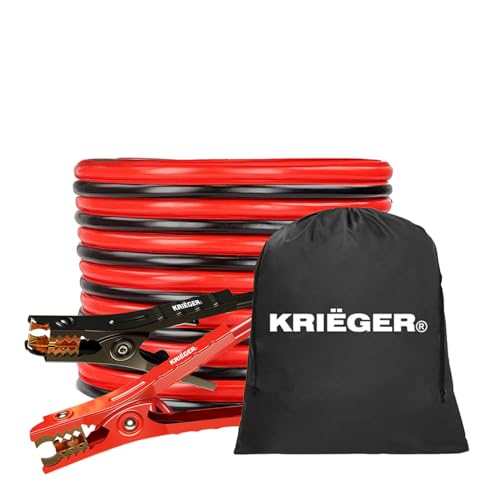
K Krieger Jumper Cables 25 ft 2-gauge with carrying bag
K KRIEGER
Mid-Range
A Abigail Heavy Duty Jumper Cables | 1 Gauge 800A 25 ft
A ABIGAIL
Mid-Range
TOPDC 0/2/0 Gauge Heavy-Duty Jumper Cables, 20 ft, 1000A
TOPDC
Mid-Range
Heavy Duty Jumper Cables, 2 Gauge, 18 ft, with voltage detection
SAFEMATE
Budget
0 Gauge Jumper Cables 25 ft with bag & gloves
All Road
Mid-RangeRoundups
- Best Automotive Battery Jumper Cables for Jump Starting Cars (2026)
- Best Automotive Battery Jumper Cables for Storage In Carry Bag (2026)
- Best Automotive Battery Jumper Cables Under $200 (2026)
- Best Automotive Battery Jumper Cables Under $100 (2026)
- Best Automotive Battery Jumper Cables Under $50 (2026)
- Best Automotive Battery Jumper Cables (2026 Guide)
Frequently Asked Questions
What cable gauge and length should I choose for jumper cables?
For most consumer cars, 4 to 6 gauge cables provide a good balance of current capacity and flexibility; heavier vehicles or cold climates benefit from 2 or 1 gauge. Choose lengths between 12 and 20 feet to allow reach between vehicle batteries while keeping thicker cables manageable
How do I know the jumper cables are safe and reliable?
Look for cables with heavy copper or copper-clad conductors, thick insulation rated for weather and oil resistance, solid molded clamps with good teeth and spring tension, and safety features like insulated handles or included covers; reputable brands and high user ratings provide additional confidence
Can I use jumper cables for different vehicle types (cars, trucks, motorcycles)?
Yes, but match the cable gauge to the vehicle: motorcycles and small cars can use 6 gauge or smaller, most passenger cars do well with 4–6 gauge, and trucks/SUVs or diesel engines typically require 2–1 gauge to safely deliver higher cranking amps
What are the correct steps to use jumper cables safely?
Park vehicles with engines off, set parking brakes, connect positive clamp to positive terminal on dead battery then on donor battery, connect negative clamp to grounded metal surface away from the dead battery, start the donor vehicle, then start the dead vehicle, and remove clamps in reverse order; avoid connecting negative clamp directly to a damaged battery or near moving parts
How should I store and maintain jumper cables to extend their life?
Keep cables coiled loosely and stored in a dry place away from direct sunlight, inspect clamps and insulation for corrosion or damage before use, clean terminals as needed, and avoid kinking or tightly wrapping cables around clamps which can damage insulation and reduce conductivity
Are there additional features worth paying for when buying jumper cables?
Useful extras include thicker copper conductors, longer length for flexibility, anti-spark or polarity-protection features, insulated clamp covers, and a carrying case; prioritize features based on your vehicle sizes and how often you expect to use them
What is a reasonable budget for quality jumper cables?
Quality consumer jumper cables typically fall in a range under $50 for basic 4–6 gauge sets, while heavy-duty 1–2 gauge or sets with added safety features can cost more; prioritize conductor gauge and clamp quality over brand alone