Automotive High Temperature Paint
High-temperature automotive paints for engine bays, exhaust components, and brake calipers, offered as sprays, brush-on coatings, and high-temp primers. The 33 indexed products average a 4.45 rating and span budget to mid-range price points (about $38–$85), with brands such as VHT and KBS Coatings represented
Top Products

KBS Daytona Yellow Engine Coater Paint 1 Pint
KBS Coatings
Budget
Velvet Black Engine Paint 12 oz by KBS Coatings
KBS Coatings
Budget
G2 High Temperature Brake Caliper Paint Kit - White
G2
Mid-Range
G2 High Temperature Brake Caliper Paint System Set RED G2160
G2
Mid-Range
KBS Coatings Cummins Beige Engine Paint - 1 Quart
KBS Coatings
Mid-Range
KBS Coatings Chevy Orange Motor Coater Engine Paint
KBS Coatings
Budget
G2 High Temperature Brake Caliper Paint Kit - High Gloss
G2
Mid-Range
G2 High Temp Brake Caliper Paint Kit - Lime Green
G2
Mid-Range
VHT 550 Engine Enamel High Heat Spray Paint 11 oz Aerosol Can
VHT
Mid-Range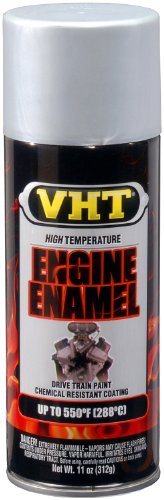
VHT 550 Engine Enamel High Heat Spray Paint, Nu-Cast Aluminum, 11 oz (6 pack)
VHT
Mid-Range
G2 High Temperature Brake Caliper Paint Kit - High Gloss
G2
Mid-Range
VHT 550 Engine Enamel High Heat Spray Paint, Flat Black, 11 oz (Pack of 6)
VHT
Mid-Range
G2 High Temp Brake Caliper Paint Kit - High Gloss Epic Epoxy (Hawkins Blue)
G2
Mid-Range
Orange high temp self-leveling brush-on brake caliper paint kit
G2
Mid-Range
G2 High Temp Brake Caliper Paint Kit - Pink
G2
Mid-Range
G2 High Temperature Brake Caliper Paint System Set Blue
G2
Mid-Range
G2 High Temperature Brake Caliper Paint System Set SILVER
G2
Mid-Range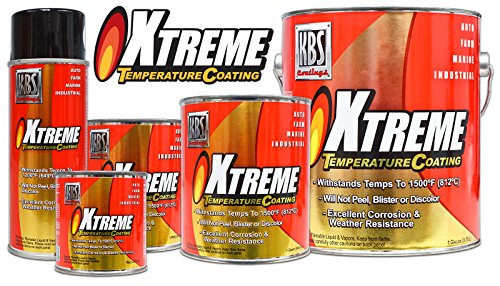
KBS Coatings Stainless Steel Xtreme Temperature Coating
KBS Coatings
Budget
OMAC High Temp Brake Caliper Paint System Kit, Heat Resistant Epoxy
OMAC USA
Mid-Range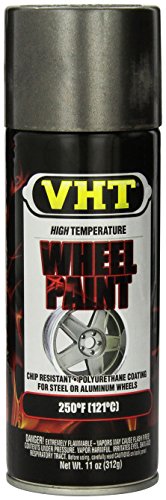
VHT High Temp Wheel Paint 11 oz Aerosol (Case of 6) Graphite
VHT
Mid-Range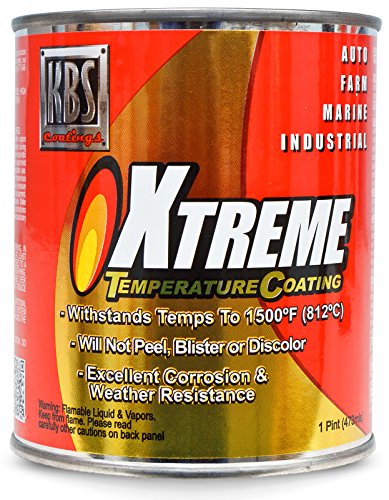
KBS Coatings Xtreme Temperature Coating 1 Pint
KBS Coatings
Budget
G2 high temp brake caliper paint kit - gold G2168
G2
Mid-Range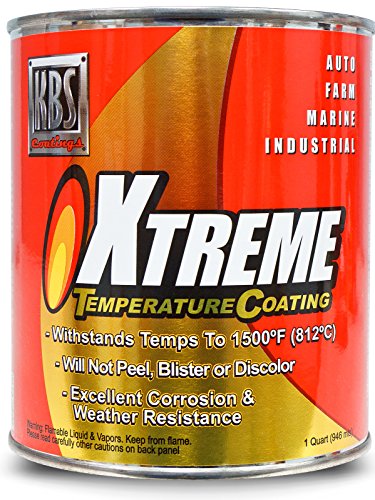
KBS Coatings Jet Black XTreme Temperature Coating 1 Quart
KBS Coatings
Mid-Range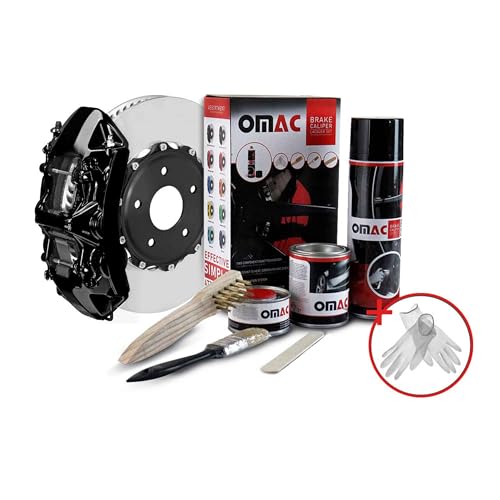
OCAM Brake Caliper Epoxy Paint Kit New York Black Glossy High-Temp
OMAC USA
Mid-RangeRoundups
Frequently Asked Questions
What is high temperature automotive paint and when should I use it?
High temperature automotive paint is formulated to withstand elevated heat (typically 300°F to 2000°F depending on formulation) and is used on parts that get hot such as exhaust systems, headers, brake calipers, engine blocks, and grill areas where regular paints would blister, crack, or discolor
How do I choose the right temperature rating and type for my project?
Match the paint’s maximum continuous and intermittent temperature ratings to the expected surface temperature; silicone-based or ceramic-modified formulations are common for exhausts and headers, while enamel-based high-temp paints suit lower-heat components; check whether the product cures by air-dry, heat-cure, or requires baking
What surface preparation and application steps are required for durable results?
Clean thoroughly to remove grease, rust, and old coatings, sand to create a profile for adhesion, use a compatible high-temp primer if recommended, apply thin even coats per label instructions, and follow the specified cure schedule (air-dry or incremental heat cures) to achieve full heat resistance
How long will high temperature paint last and what affects its longevity?
Longevity depends on surface prep, correct temperature rating, exposure to chemical contaminants and thermal cycling; properly applied, high-temp paints can last months to years on exposed components, but extreme heat or frequent thermal shock accelerates fading, peeling, and chalking
Are high temperature paints safe to use on parts that contact engine fluids or exhaust gases?
Most high-temp paints are formulated for external heat exposure and are not rated for internal fluid contact; for exhaust surfaces they resist gases and heat externally, but surfaces in direct contact with combustion gases or engine oil may require specialized coatings or replacement parts—consult the product technical data sheet for compatibility
What safety and ventilation precautions should I take during application?
Use in a well-ventilated area or outdoors, wear a respirator rated for organic vapors, eye protection, and gloves; avoid breathing fumes and keep away from ignition sources during application and curing because solvents in many high-temp paints are flammable until cured