Automotive Replacement Brake Calipers Without Pads
Replacement brake calipers without pads for passenger cars and light trucks, including single- and dual-piston designs and direct-fit OE-style units. The category spans budget through mid-range prices (about $32–$375, avg ~(price varies)) and features brands such as TRQ among 337 indexed products with an average rating of 4.46
Top Products

Rear brake caliper with bracket 18B5046 for Jeep Wrangler JK/JL and Dodge Nitro/Liberty
cciyu
Mid-Range
A-Premium Disc Brake Caliper Assembly with Bracket (Rear Driver) for Cadillac/GMC models
A-Premium
Mid-Range
Front Left Brake Caliper Assembly with Bracket 19B2958
cciyu
Mid-Range
Front Left Brake Caliper w/ Bracket for multiple models
cciyu
Mid-Range
PHILTOP Front Right Disc Brake Caliper Assembly for Nissan/Infiniti
PHILTOP
Mid-Range
Rear Left Brake Caliper Assembly with Bracket 18B5043
cciyu
Budget
Rear Right Brake Caliper with Bracket for Subaru – 19B3424
cciyu
Budget
Front Right Brake Caliper With Bracket (18B5271) for GM Vehicles
cciyu
Mid-Range
Front brake caliper with bracket for Dodge Durango/ Ram 1500 front right
cciyu
Mid-Range
Rear Right Brake Caliper With Bracket for Cadillac/Chevy/GMC
cciyu
Mid-Range
SCITOO Rear Right Brake Caliper with Bracket for Honda Odyssey
SCITOO
Budget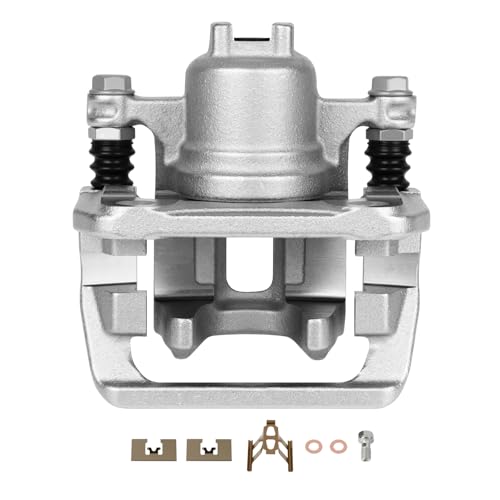
SCITOO Disc Brake Caliper Assembly with Bracket for Acura RDX / Honda
SCITOO
Mid-Range
SCITOO rear left & right disc brake calipers with bracket for Nissan Altima/Maxima
SCITOO
Mid-Range
Rear brake calipers with bracket for Acura/Honda (2012-2018)
cciyu
Mid-Range
Rear Left Brake Caliper With Bracket for multiple models
cciyu
Mid-Range
Rear Left Brake Caliper for Ford F-150/Lincoln Mark LT (184859) - 2004-2011
SCITOO
Mid-Range
Rear Brake Calipers with Bracket for Honda Odyssey (2005-2010)
cciyu
Mid-Range
Rear brake caliper with bracket for Jeep/Dodge (18B5047)
cciyu
Mid-Range
SCITOO Rear Left & Right Disc Brake Calipers Assembly (No Bracket) for Ford F-150/Lincoln Mark LT
SCITOO
Mid-Range
Rear Right Brake Caliper with Bracket for Acura TSX/Honda Accord
cciyu
Mid-Range
SCITOO Rear Left & Right Disc Brake Calipers Assembly with Bracket for Subaru
SCITOO
Mid-Range
SCITOO Rear Brake Calipers with Bracket for Various GM Vehicles
SCITOO
Mid-Range
Rear brake caliper with bracket for Honda Accord 2013-2017
cciyu
Mid-Range
Front Right Brake Caliper with Bracket for Dodge Journey
SCITOO
Mid-RangeRoundups
- Best Automotive Replacement Brake Calipers Without Pads for Rear Brake Caliper Replacement (2026)
- Best Automotive Replacement Brake Calipers Without Pads Under $200 (2026)
- Best Automotive Replacement Brake Calipers Without Pads Under $100 (2026)
- Best Automotive Replacement Brake Calipers Without Pads Under $50 (2026)
- Best Automotive Replacement Brake Calipers Without Pads (2026 Guide)
Frequently Asked Questions
How do I know which replacement caliper fits my vehicle?
Identify your vehicle by year, make, model, engine size and whether the caliper is for the front or rear; cross-check the OEM part number or use the vehicle fitment lookup provided by the seller to match mounting points, piston size, bleeder screw orientation and parking brake mechanism if applicable
What’s the difference between remanufactured and new (replacement) calipers?
Remanufactured calipers are rebuilt from used cores and reconditioned to meet specifications, while new replacement calipers are manufactured from new components; remanufactured units can be cost-effective but check for warranty and quality controls
Are brake calipers sold without pads safe to install?
Yes—calipers are often sold without pads and are safe if you install new compatible brake pads and properly bed them; ensure seals, pistons and slides are inspected and lubricated, and bleed the brake system after installation
What features should I prioritize when choosing a caliper?
Prioritize correct fitment and piston size, corrosion-resistant coatings, quality seals and dust boots, proper bleeder screw location, and compatibility with your vehicle's parking brake or electronic systems
How much should I expect to spend on a replacement caliper?
Replacement calipers typically range from budget options under $50 to several hundred dollars for higher-end or specialty units; averages across many listings are in the low-to-mid hundreds, but prices vary by vehicle application and brand
Can I replace a caliper myself or should I hire a professional?
A mechanically competent DIYer can replace a caliper with basic tools, a jack and brake bleeding equipment, but if you’re unfamiliar with brake systems, lack tools to properly bleed the brakes, or the vehicle has ABS/electronic parking brakes, professional installation is recommended
What maintenance is needed after installing new calipers?
After installation, bleed the brake lines to remove air, check for leaks, torque fasteners to spec, verify proper pad alignment and retainer hardware, and recheck fluid level and operation after a short test drive