Automotive Replacement Brake Drums
Replacement brake drums for passenger and light-duty vehicles, including cast-iron drums and direct-fit OE-style aftermarket units for rear drum brake systems. This category indexes 49 products with an average rating of 4.21 and price range roughly $34–$149, featuring brands such as Bendix
Top Products

Bendix Rear Brake Drum for Subaru Forester/Impreza/Legacy
Bendix
Budget
Bendix Rear Brake Drum for Toyota Tercel
Bendix
Budget
Bendix Rear Brake Drum for Nissan Pulsar / Sentra (PDR0460)
Bendix
Budget
Bendix Rear Brake Drum for Mitsubishi Lancer (2002-2007)
Bendix
Budget
Bendix Rear Brake Drum for Ford Aspire 1997-1994
Bendix
Mid-Range
Bendix rear brake drum for Chevrolet Sprint / Geo Metro / Pontiac Firefly
Bendix
Budget
Bendix Rear Brake Drum for Dodge Colt, Hyundai Excel, Mitsubishi Precis
Bendix
Mid-Range
Bendix Rear Brake Drum for GM Vehicles
Bendix
Mid-Range
Bendix Rear Brake Drum for multiple Ford/Mazda models
Bendix
Mid-Range
Bendix Rear Brake Drum for Jeep Cherokee/Wrangler (1990-2006)
Bendix
Mid-Range
Bendix Rear Brake Drum for Subaru Legacy (2000-2001)
Bendix
Mid-Range
Bendix Rear Brake Drum for Honda Fit 2007-2008
Bendix
Mid-Range
Bendix Rear Brake Drum for Hyundai Santa Fe 2001
Bendix
Mid-Range
Bendix PDR0374 brake drum for Nissan 521/620/720 (1970s-80s)
Bendix
Mid-Range
Bendix Rear Brake Drum for Honda Accord
Bendix
Budget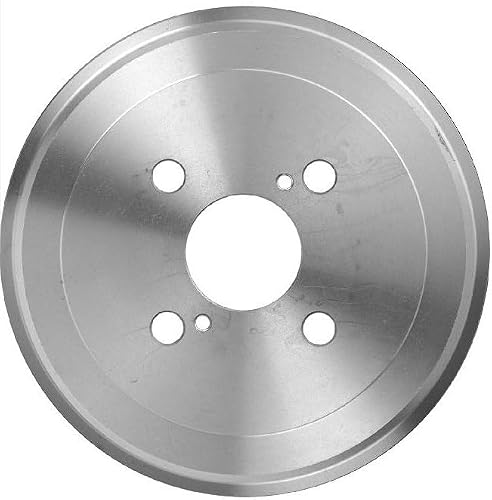
Bendix PDR0515 Rear Brake Drum for multiple models
Bendix
Budget
Bendix Rear Brake Drum for classic Ford/Mercury models
Bendix
Mid-Range
Bendix Rear Brake Drum for Nissan Pulsar NX / Sentra (1983-1986)
Bendix
Mid-Range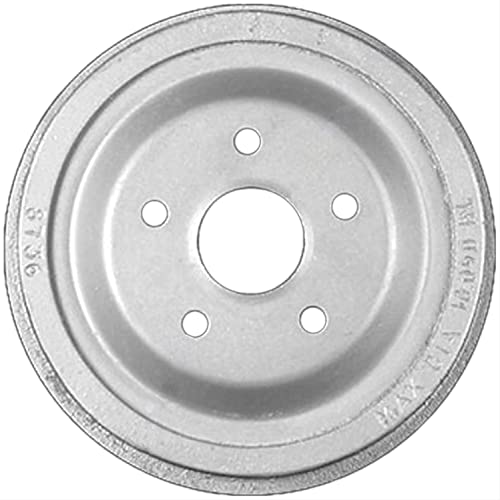
Bendix Rear Brake Drum for Ford/Mercury models
Bendix
Mid-Range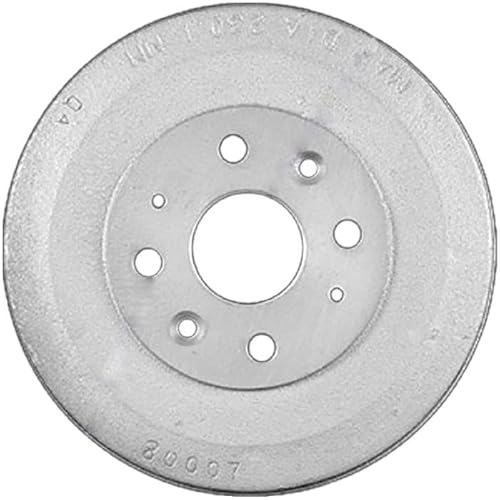
Bendix Rear Brake Drum for Ford Escort/Mazda Protege Tracer
Bendix
Mid-Range
Bendix Rear Brake Drum for Mazda 626
Bendix
Mid-Range
Bendix Rear Brake Drum for Jeep CJ5/CJ7 Scrambler
Bendix
Mid-Range
Bendix Rear Brake Drum for Ford Bronco & Econoline
Bendix
Mid-Range
Bendix Rear Brake Drum for Toyota Celica 1994-1997
Bendix
Mid-RangeRoundups
Frequently Asked Questions
How do I know which brake drum fits my vehicle?
Check your vehicle year, make, model, axle position (front/rear), and original equipment specifications; match those to the drum’s fitment list or OEM part number. Measure critical dimensions like inside diameter, height, and bolt pattern if you have the old drum and compare with the replacement listing
What are the key differences between budget and premium brake drums?
Differences include material quality (cast iron grade), machining tolerances, balance, and corrosion-resistant finishes. Premium drums often have tighter dimensional tolerances and better coatings, which can reduce vibration and improve longevity, while budget drums typically cost less but may wear faster or require resurfacing sooner
Can I replace brake drums myself, and what tools are needed?
DIY replacement is possible if you have mechanical experience; basic tools include a jack and stands, lug wrench, socket set, brake spring pliers, screwdrivers, a hammer or puller for stuck drums, and a torque wrench. Always follow a repair manual for your vehicle and observe safety procedures—if wheel bearings or parking brake components need service, consider professional help
How should I inspect and service drums during replacement to avoid repeat work?
Inspect the mating surface, wheel cylinders, brake shoes, hardware, and wheel bearings for wear or damage; measure drum inside diameter against the maximum allowable spec stamped on the drum or in the factory manual. Replace or rebuild associated hardware and measure for runout; machining (turning) is acceptable only if the resulting diameter stays within spec
What are common reasons a new drum still causes noise or vibration?
Noise or vibration can stem from improper fitment, out-of-spec runout, warped or improperly-cut drums, contaminated brake shoes, or incorrect installation of hardware and wheel bearings. Verifying part fit, cleaning contact surfaces, and checking axle and hub tolerances helps isolate the cause
How long do replacement brake drums typically last and what affects lifespan?
Lifespan varies widely—commonly tens of thousands of miles—depending on driving habits, environment (corrosion), brake shoe material, and maintenance. Frequent heavy braking, corrosive conditions, or using low-quality shoes will shorten service life, while proper installation and periodic inspection extend it
Are there compatibility or warranty considerations I should check before buying?
Confirm the seller’s stated fitment and return policy, and check whether the drum is sold with any manufacturer warranty or replacement guarantee. Also verify whether using aftermarket drums affects any existing vehicle warranties related to braking components per the vehicle manufacturer’s terms