Automotive Replacement Brake Fittings
Replacement brake fittings and hardware for passenger and light-duty vehicles, including hose adapters, banjo bolts, and line connectors for brake system repairs. The category averages a 4.64 rating across 19 indexed products with mid-range pricing (about $33–$107) and brands like CheeMuii represented
Top Products
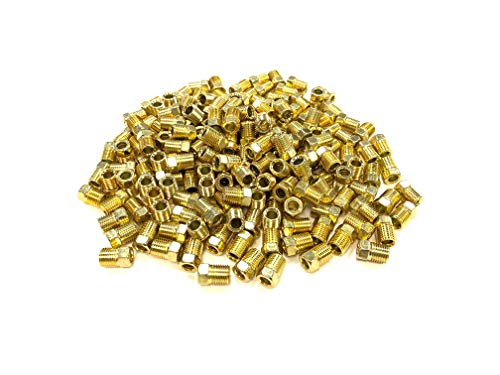
Inverted Flare Steel Brake Line Fittings 3/16 in tubing, 3/8-24 threads (150 pcs)
The Stop Shop
Budget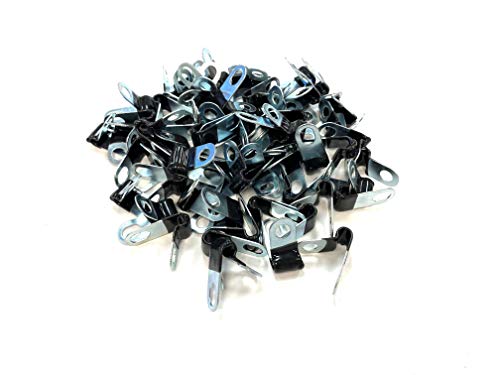
The Stop Shop Rubber Insulated Brake Line Clips 3/16 in (75-pack)
The Stop Shop
Budget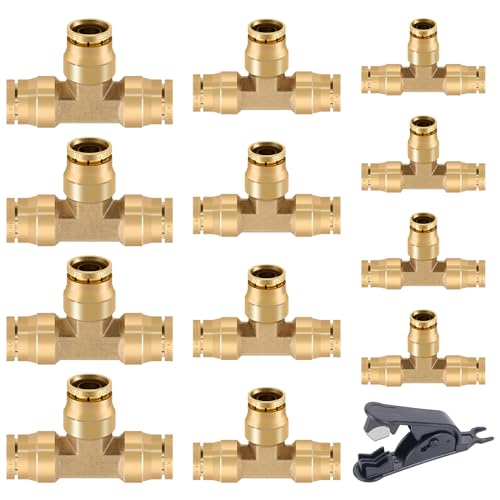
CheeMuii DOT air line fittings kit 13 pcs 1/4-1/2 in tee unions
CheeMuii
Budget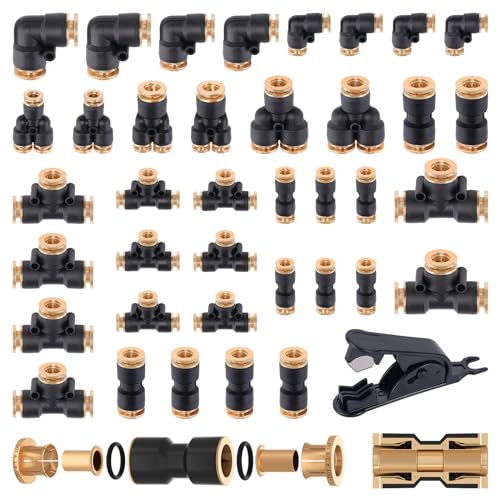
CheeMuii DOT air line quick connect fittings kit 39 pcs
CheeMuii
Mid-Range
CheeMuii DOT air line fittings kit, 23 pcs, straight union
CheeMuii
Budget
18 Pcs Brass 3/8 DOT Air Hose Male Connector Fittings with Spring Guards
HASAOMOI
Budget
CheeMuii DOT air line fittings kit 35 pcs 1/4-1/2 in standard quick connect
CheeMuii
Mid-Range
Brass DOT Air Brake Hose End Fitting 3/8 to 1/2, 8 Pack
Dazakoot
Budget
Air Brake Fittings for 3/8 Hose, DOT Approved Brass End Connector (8 pack)
Dazakoot
Budget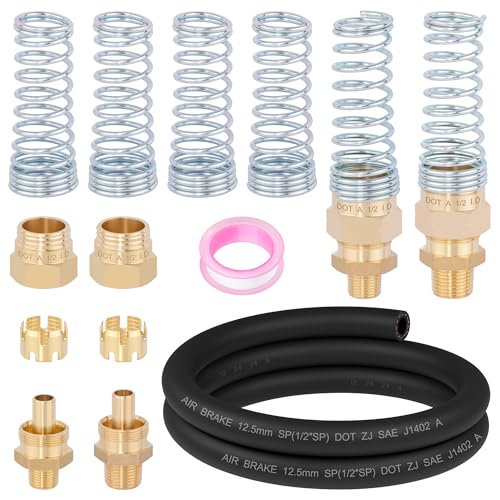
12Pcs Brass 1/2 DOT Air Hose Fittings with Spring Guards
HASAOMOI
Budget
Air Brake Hose End Fitting 1/2 to 3/8, DOT Brass w/ Spring Guard (8 Pack) - Dazakoot
Dazakoot
Mid-Range
CheeMuii DOT air brake line fittings kit, 43 pcs (1/4, 3/8, 1/2) push-to-connect
CheeMuii
Mid-Range
4LIFETIMELINES 3/16" Fitting Kit - 24 SKU, 110 pcs, 12 adapters, 8 unions
4LIFETIMELINES
Mid-Range
30Pcs DOT air hose fittings and sleeve tubes with spring guards
HASAOMOI
Mid-Range
8Pcs Brass DOT Air Brake Hose End Fittings 1/2in Hose x 1/2in Male Connector
Dazakoot
Mid-Range
Stainless Banjo Eye Fitting, M10 3AN/3/8"-24 UNF, 2 pcs
KRD PERFORMANCE
Budget
4LIFETIMELINES Brake Line Fitting Kit: 32 SKU for 3/16" & 1/4" Tubes
4LIFETIMELINES
Mid-Range
22pcs 50FT 1/4 DOT Air Line Fittings Kit
boeray
Budget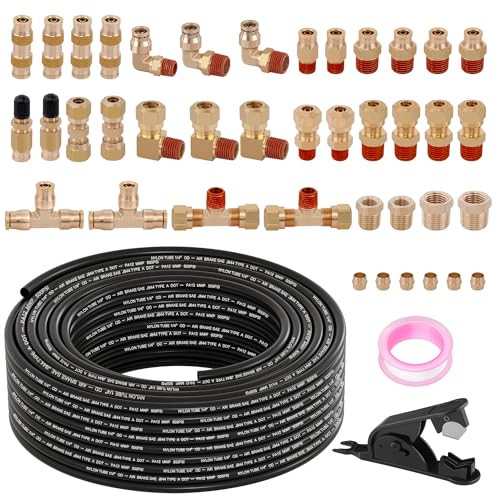
43pcs 100FT 1/4 DOT Air Line Fittings Kit
boeray
Mid-RangeRoundups
Frequently Asked Questions
How do I choose the correct replacement brake fittings for my vehicle?
Match fittings to your vehicle’s make, model, year and brake line type (steel or braided). Check OEM part numbers or specifications like thread size, flare type (inverted/AN or double/ISO), and hose end style; if unsure, compare the old fitting or consult the vehicle service manual
What are the common types of brake fittings and why do they matter?
Common types include flare fittings (single/double), banjo fittings, and threaded hose ends; each type seals and connects differently and must match the mating component to prevent leaks and ensure correct brake pressure transmission
Are aftermarket brake fittings reliable and what should I look for in quality?
Reliable fittings are made from corrosion-resistant materials (stainless steel, brass) and meet industry standards for threads and flares; look for proper plating, clean threads, and consistent dimensions, and prefer fittings specified for hydraulic brake use
Do I need any special tools or skills to install replacement brake fittings?
Basic installations require common tools: line wrenches, flare nut wrenches, a torque wrench, and possibly flare or tubing cutters; for safety, you should be comfortable bleeding brakes and achieving proper torque and leak-free connections, otherwise have a professional install them
How can I ensure a leak-free install and long-term performance?
Clean mating surfaces, use the correct flare/seal type, hand-start then torque fittings to manufacturer specs, inspect for visible leaks, and properly bleed the system to remove air; periodic visual checks for corrosion or fluid seepage help maintain long-term performance
What price range should I expect for replacement brake fittings?
Individual brake fittings typically range from low-cost options under $10 to more robust or specialty fittings in the $20–$100 range, with assemblies or kits costing more depending on material and included components
Can I mix brands or materials when replacing brake fittings?
Mixing brands is acceptable if the fittings are compatible in thread, flare type, and material; avoid combining dissimilar metals without proper corrosion protection and ensure all parts meet the same pressure and safety standards