Automotive Replacement Brake Hydraulic Parts
Replacement brake hydraulic parts for cars and light trucks, including master cylinders, wheel cylinders, proportioning valves, and associated seals and fittings. The category averages a 4.43-star rating across 24 indexed products and spans budget to mid-range options (typical price about (price varies)), with brands like Dorman and Racewill represented
Top Products

4LIFETIMELINES copper-nickel brake line tubing kit - 25 ft with 16 fittings
4LIFETIMELINES
Budget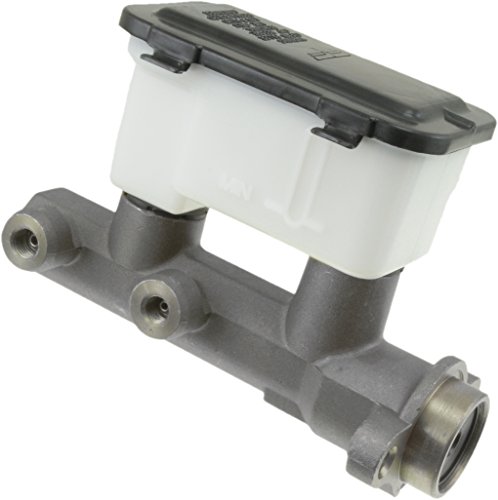
Dorman M390259 Brake Master Cylinder
Dorman
Budget
Copper-Nickel brake line kit with fittings, 3/16" x 25 ft
4LIFETIMELINES
Mid-Range
ACDelco Gold 18M1878 Brake Master Cylinder Assembly
ACDelco
Mid-Range
25 ft copper coated brake line kit with fittings and flaring tool
Racewill
Budget
Dorman Brake Master Cylinder for VW models
Dorman
Budget
Motive Products 3-Prong Adapter for GM brake bleeders
Motive Products
Budget
4LIFETIMELINES 1/4 in. stainless steel brake line kit
4LIFETIMELINES
Mid-Range
25 ft copper coated brake line kit with fittings and flaring tool
Racewill
Budget
1/4" x 25' copper-nickel brake line kit, 2 complete sets
4LIFETIMELINES
Mid-Range
Mytee 1/2" SAE J844 Nylon Air Brake Tubing 100' Orange
Mytee Products
Mid-Range
Dorman brake master cylinder for select cadillac-chevrolet-gmc
Dorman
Mid-Range
Motive Products universal brake bleeder adapter, round style 1.5" to 2.90"
Motive Products
Budget
3/16" Brake Line Kit with Fittings, Unions, and Tube Tool Kit
JINGTAO88
Budget
PHILTOP Brake Master Cylinder Replacement for GM 1999-2002
PHILTOP
Mid-Range
Air Brake Coil with aluminum extension handles, blue service and red emergency cord
Dazakoot
Mid-Range
Racewill 25 ft Copper Coated Brake Line Kit + Tube Bender
Racewill
Budget
CheeMuii 50 ft PA12 nylon air line 1/2" tubing
CheeMuii
Budget
Front Brake Line Kit, 2 pcs, stainless steel for Chevy Silverado/GMC Sierra 1500/2500-3500HD
Racewill
Budget
1/2 in. SAE J844 nylon air brake tubing 100 ft (2-pack)
Mytee Products
Mid-Range
1/2" x 100' blue nylon air brake tubing
Mytee Products
Mid-Range
CheeMuii 100 ft 1/2 in PA12 pneumatic tubing
CheeMuii
Mid-Range
Front and rear brake lines for 1971-1991 Chevy/GMC C/K 15-25, 4-6 in lift
Racewill
Mid-Range
CheeMuii 100 ft PA12 DOT air line 1/2" nylon pneumatic tubing
CheeMuii
Mid-RangeRoundups
- Best Automotive Replacement Brake Hydraulic Parts for Brake Line Repair (2026)
- Best Automotive Replacement Brake Hydraulic Parts Under $200 (2026)
- Best Automotive Replacement Brake Hydraulic Parts Under $100 (2026)
- Best Automotive Replacement Brake Hydraulic Parts Under $50 (2026)
- Best Automotive Replacement Brake Hydraulic Parts (2026 Guide)
Frequently Asked Questions
How do I know which brake hydraulic part fits my vehicle?
Check your vehicle's make, model, year, and engine/transmission code against the part's vehicle compatibility list or OEM part number; measure existing components (thread size, port type, mounting hole spacing) when possible to confirm fitment
What is the difference between master cylinders, wheel cylinders, and proportioning/combination valves?
A master cylinder converts pedal force to hydraulic pressure for the whole system, wheel cylinders actuate drum brake shoes at each wheel, and proportioning or combination valves manage distribution and balance of pressure between front/rear circuits and integrate functions like ABS or metering
Are aftermarket brake hydraulic parts reliable compared to OEM, and what should I look for?
Aftermarket parts can be reliable if they meet OEM specifications and industry standards; look for correct materials, proper bore/port dimensions, quality seals, manufacturer testing/certifications, and user ratings for durability and fit
What factors affect the price of brake hydraulic components?
Price varies with part type (master cylinder vs. wheel cylinder vs. valve), materials and machining tolerance, brand reputation, inclusion of rebuild kits or mounting hardware, and whether the part is remanufactured or new
Can I rebuild or repair a master cylinder or should I replace it?
Master cylinders can sometimes be rebuilt using a correct rebuild kit if bores are undamaged and within spec; replace the unit if there is scoring, corrosion, excessive wear, or if internal damage prevents proper sealing
What maintenance or installation steps improve longevity and safety of brake hydraulic parts?
Use correct fluid type specified by the manufacturer, fully flush and bleed the system after installation, inspect and replace corroded lines and rubber hoses, torque fittings to spec, and use new mounting hardware or seals as recommended
How do I identify symptoms of a failing brake hydraulic component?
Common signs include a spongy or sinking brake pedal, visible fluid leaks at cylinders or connections, uneven braking or pulling, reduced braking power, or contamination/discoloration of brake fluid