Automotive Replacement Brake Trailer Brakes
Replacement trailer brake components for automotive and RV towing systems, including electric drum assemblies, magnets, brake shoes, and hardware kits for self-contained and actuator-driven setups. Eighteen products are indexed with an average rating of 4.51 and a price range of $50–$280, covering budget through mid‑range options; brands include dreamdragon and Torque
Top Products

RV Murts 2 Pairs Electric Trailer Brake Shoes Kit (10" x 2-1/4")
RV MURTS
Mid-Range
Southwest Wheel Electric Brake Kit for 3,500 lb trailer axles
SOUTHWEST WHEEL
Mid-Range
Trailer brake drum kit 10" x 2-1/4" 5 on 4.5" bolt circle
JDMSPEED
Mid-Range
RV Murts 1 Pair 10" x 2-1/4" Self Adjusting Electric Trailer Brake Kit
RV MURTS
Mid-Range
Torque 3030 Air Brake Chamber 2.5
Torque
Mid-Range
Torque 3030 Air Brake Chamber 2.5 in Stroke (2 Pack)
Torque
Mid-Range
Torque 30/30 Square Brake Chamber 3in Long Stroke 3030 (2-pack)
Torque
Mid-Range
Torque 2 Pack Type 3030 Air Brake Chamber Welded Clevis
Torque
Mid-Range
Southwest Wheel 3,500 lb Trailer Axle Self-Adjusting Electric Brake Kit
SOUTHWEST WHEEL
Premium
10x2-1/4 in Self-Adjusting Electric Trailer Brake Assemblies (2 Pair) for 3,500 lb Axles
TRAILER SUPPLIES
Premium
Southwest Wheel 2-Pack 3500 lb Trailer Electric Brake Kit 5-4.5 bolt
SOUTHWEST WHEEL
Premium
5 on 4.5" bolt circle drum brakes kit for 3,500lb trailer axles
AEagle
Premium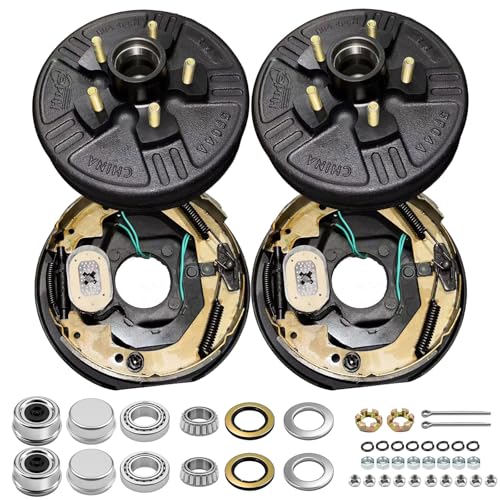
Trailer axle electric brake kit, 10" x 2 1/4" drums, 5-4.5" bolt pattern
dreamdragon
Premium
Trailer axle electric brake kit with self-adjusting system
dreamdragon
Premium
3,500 lbs trailer axle electric brake kit, 5-5.5" bolt circle
dreamdragon
Premium
Trailer axle electric brake kit, 6-hole 5.5" bolt circle
dreamdragon
Premium
Trailer Axle Electric Brake Kit 12" x 2" 8 on 6.5" bolt circle
dreamdragon
Premium
Trailer Axle Electric Brake Kit for 8-6.5" Bolt Circle
dreamdragon
PremiumRoundups
Frequently Asked Questions
How do I know which type of trailer brake replacement fits my vehicle?
Identify whether your trailer uses electric, electric-over-hydraulic, or hydraulic surge brakes, then match the mounting style and axle hub specifications (bolt pattern, hub size, and spindle type). Check the trailer VIN plate or measure the existing brake assembly and compare with the replacement product's fitment chart
What are the key specs to compare when choosing replacement trailer brakes?
Compare brake type (electric vs hydraulic), actuator compatibility, mounting bolt pattern, rotor or drum diameter, torque capacity, and materials (cast iron vs aluminum). Also confirm electrical connector type and required controller compatibility for electric systems
What price range should I expect for replacement trailer brakes?
Replacement trailer brake assemblies typically range from lower-budget options under $100 to higher-end or heavy-duty assemblies several hundred dollars; complete kit prices vary by type and capacity. Expect average prices to cluster in the mid-hundreds for common consumer trailer brakes
Can I replace trailer brakes myself or should I use a professional?
A mechanically skilled DIYer can replace trailer brakes if they have the right tools, a service manual, and follow safety procedures, but complex tasks like hydraulic line bleeding or ensuring correct controller setup may be better handled by a professional to guarantee safe operation
How do I maintain replacement trailer brakes for longest life and consistent performance?
Regularly inspect pads/shoes, drums/rotors, wiring, and hydraulic lines for wear, corrosion, and proper adjustment; clean assemblies of debris and repack wheel bearings per manufacturer intervals. Test brake balance and controller settings before towing and address uneven wear or dragging promptly
What safety checks should I perform after installing new trailer brakes?
Verify proper mechanical fitment and torque of fasteners, bleed hydraulic systems if applicable, test electrical connections and controller response, and perform low-speed braking tests with incremental loads to confirm even, predictable braking without noise or pulling
Do brake controllers or other components need upgrading when replacing trailer brakes?
Possibly—if you change from electric to electric-over-hydraulic or alter braking capacity, you may need a compatible controller or solenoid. Match controller output and type to the new brake system and ensure wiring and connectors meet voltage and current requirements