Automotive Replacement Carburetors
Replacement carburetors for cars, trucks, and small engines including rebuild kits and complete units for common OEM swaps. The category indexes 34 products with an average rating of 4.34 and price tiers from budget to mid‑range (avg ~(price varies)); brands include THUNDERMINGO among others
Top Products

Carburetor for Onan 5500/7000 Gen Set with Gaskets & Brush
TANG
Mid-Range
Carburetor for 20-25 HP V-Twin John Deere engines
ATRACYPART
Budget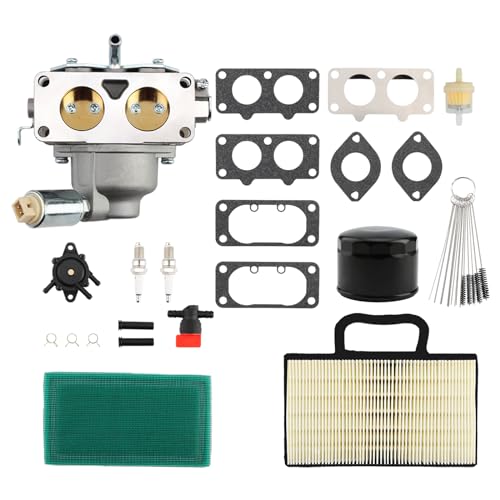
Carburetor for 20-25hp John Deere & Briggs & Stratton V-Twin
ATRACYPART
Budget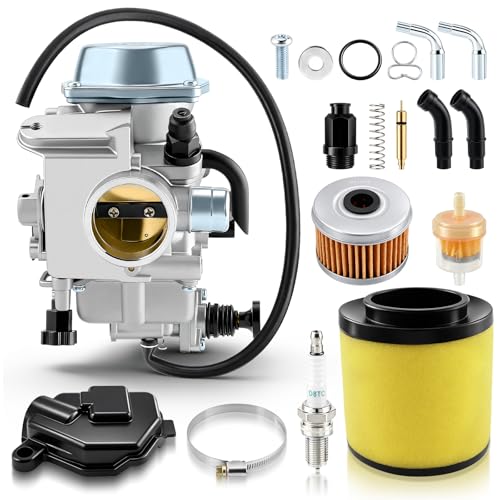
Carburetor for Honda TRX300 Fourtrax 1988-2000
Carbhub
Budget
PICT-3 Carburetor for VW Beetle 1975-1982
THUNDERMINGO
Mid-Range
Carburetor for Onan 5500/7000 generators (541-0765 compatible)
ZMCYNG
Mid-Range
AUTOKAY Carburetor fits John Deere lawn tractors
AUTOKAY
Budget
Carburetor for Ford Jubilee tractors with gasket & bolts
ATRACYPART
Budget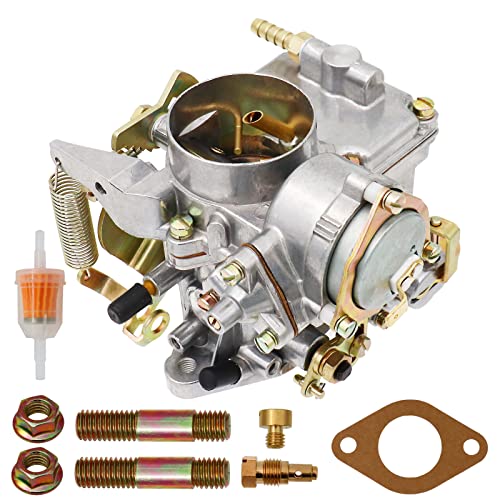
34 Pict-3 carburetor for VW 1600cc Type 1 engines
THUNDERMINGO
Mid-Range
Carburetor for Briggs & Stratton V-Twin 40G/44M models
Gioong
Mid-Range
37 PICT-3 Dual Port Carburetor for VW 1600cc Air-Cooled (1971-1979)
THUNDERMINGO
Mid-Range
39 PICT-3 carburetor for VW Beetle 1600cc dual port 12V
THUNDERMINGO
Mid-Range
Carburetor for Kohler 7000 Series Engines KT735 KT725 KT740 KT745 KT730
Onsnail
Budget
Carburetor for Ford tractors TSX765 4-cyl 1962-1964
THUNDERMINGO
Budget
2 Barrel Carburetor for Ford 289-351 & Jeep 360 with Electric Choke
THUNDERMINGO
Mid-Range
Carburetor Replacement For Kohler KT725 KT730 KT735 KT740 KT745
RADHLBNIU
Budget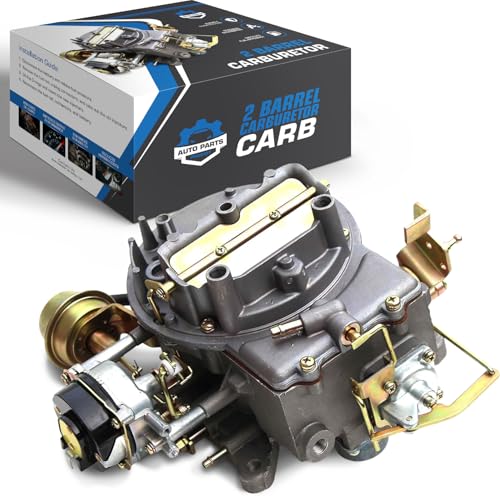
Carburetor 2-barrel for Ford 289 302 351 and Jeep 360 with Electric Choke
Auto Parts Prodigy
Mid-Range
Carburetor for Onan Cummins Microquiet 4000W Generators
ATRACYPART
Budget
Carburetor kit for Kohler 7000 series KT725 KT730 KT735 KT740 KT745
DingRan
Mid-Range
EU3000is Carburetor for Honda EU3000i Generator with Gaskets Air Filter
DKIIGAME
Budget
Carburetor for Briggs & Stratton V-Twin 20-25 HP with air filter
Hipa
Budget
KT735 KT740 Carburetor Kit for Kohler 7000 Series
JAVENYIMAN
Budget
Carburetor replacement for Suzuki Eiger 400 LT-F400
ATRACYPART
Mid-Range
Carburetor kit for Kohler KT725 KT730 KT735 KT740 KT745
DABAZUALY
Mid-RangeRoundups
Frequently Asked Questions
How do I choose the right replacement carburetor for my vehicle?
Match the carburetor to your engine make, model, year, and engine displacement; check the throttle linkage, mounting flange type, and choke style (manual or electric). Use OEM part numbers or cross-reference guides from reputable suppliers to confirm fitment before purchase
What are common compatibility checks I should perform before buying?
Verify bolt pattern and flange dimensions, vacuum port locations, fuel inlet thread size, and whether the carburetor is for a single or dual-inlet setup. Also confirm whether it supports your vehicle's emissions/control devices such as EGR or vacuum advance
Are aftermarket replacement carburetors reliable and how do I assess quality?
Reliability depends on build materials, machining tolerances, and manufacturer quality control; look for metal castings, brass jets, and positive customer reviews. Consider brands with clear specifications, return policies, and available spare parts or rebuild kits
What price range should I expect and does higher cost guarantee better performance?
Replacement carburetors typically span budget units under $50 to higher-end units over a few hundred dollars, with many around the low hundreds; cost can reflect materials and precision but does not automatically guarantee proper tuning or fit. Balance price with verified fitment and support for tuning or parts availability
Can I install a replacement carburetor myself and what tools are needed?
Many mechanically skilled DIYers can install a carburetor with basic hand tools: wrenches, screwdrivers, pliers, gasket scraper, and a torque wrench for mounting bolts. After installation, you should adjust idle mixture, idle speed, and perform a vacuum/leak check or have a shop handle final tuning if unfamiliar with carburetor adjustments
What maintenance or care is needed to keep a replacement carburetor working properly?
Regularly inspect for fuel leaks, clean the air filter, use fresh fuel, and periodically remove and clean jets and passages or use a fuel additive to reduce varnish. Keep a rebuild kit on hand for worn gaskets and diaphragms and replace seals when performance degrades
What should I do if the replacement carburetor causes drivability issues after installation?
Re-check mechanical linkages, vacuum connections, and base gasket sealing; then adjust float level, idle mixture, and timing. If problems persist, consult a technician or compare settings to manufacturer specifications and verify you received the correct model for your engine