Automotive Replacement Engine Coolers
Replacement engine coolers for cars and light trucks, including radiators, oil coolers, and transmission coolers designed to manage engine and fluid temperatures. The 11 indexed products average a 4.5-star rating and range from about $48 to $168, with brands like GAOBEN represented
Top Products

Hayden Universal Rapid-Cool Transmission Cooler 9.5 x 11
Hayden Automotive
Mid-Range
Aluminum Engine Oil Filter Housing Kit with Gaskets & Sensors
TEMSONE
Mid-Range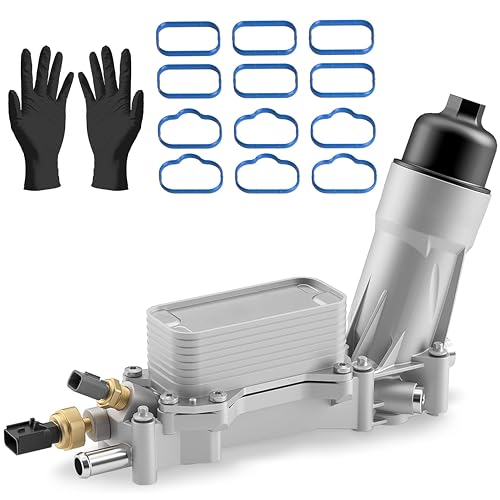
Aluminum Oil Filter Housing with Oil Cooler 3.6L (2011-2016)
GAOBEN
Mid-Range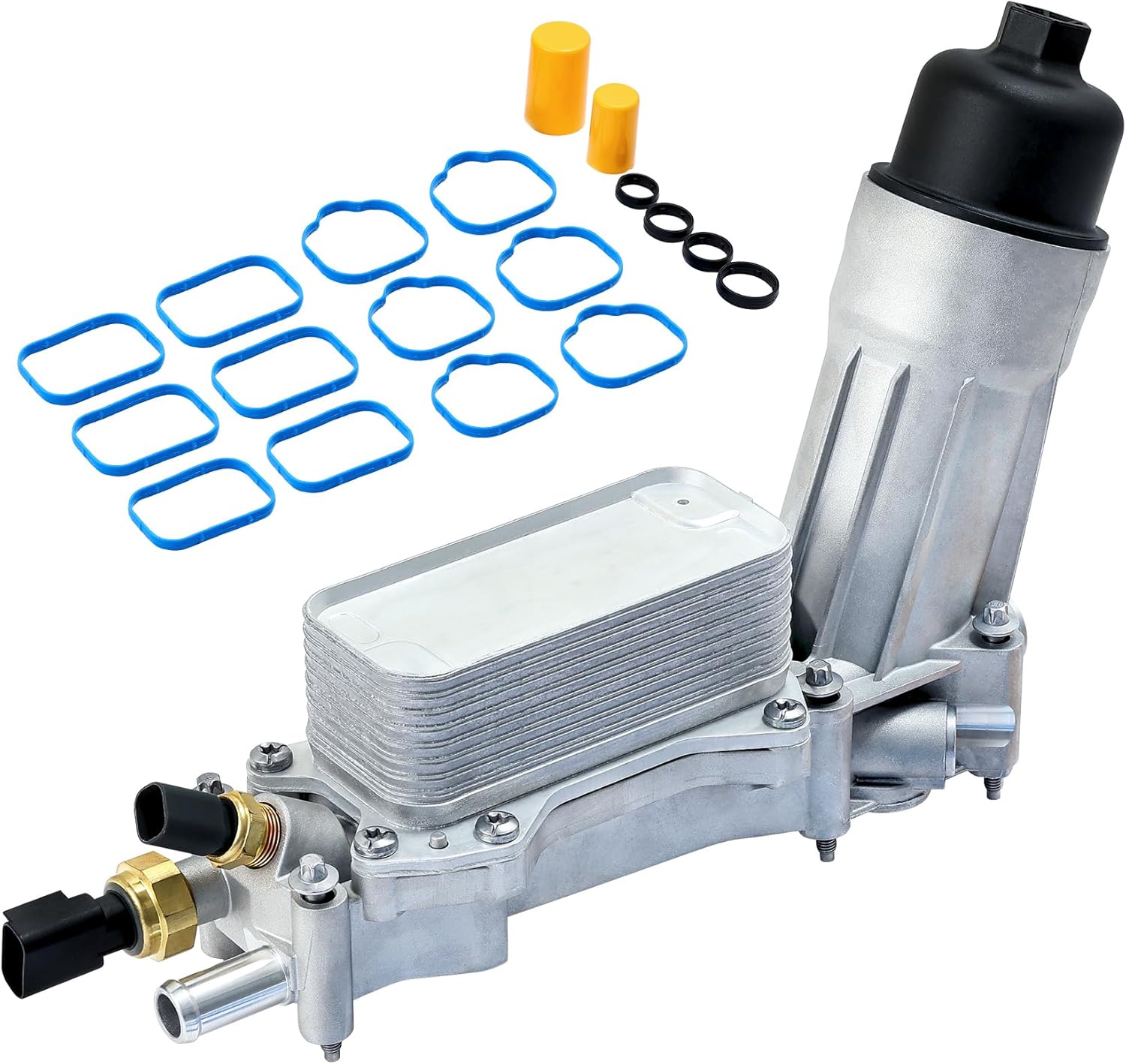
Aluminum Engine Oil Filter Housing 3.6L for Jeep/Dodge (2011-2016)
PIRIPARA
Mid-Range
Oil Filter Housing and Cooler Kit for 3.6L FCA engines
liriuda
Mid-Range
Aluminum 3.6L Oil Cooler for 2017-2018 vehicles
HRepair
Mid-Range
Aluminum Engine Oil Cooler & Filter Housing Adapter Assembly for select Chrysler/Jeep 2011-2016
TuLeYiLe
Mid-Range
MOTOKU Aluminum Engine Oil Cooler & Filter Housing (3.6L V6)
MOTOKU
Mid-Range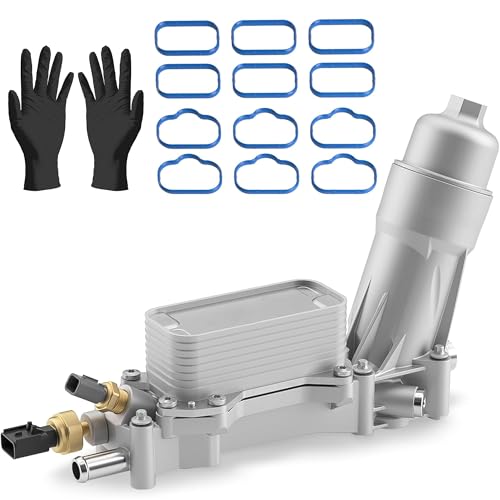
All-aluminum engine oil filter housing with oil cooler for 3.6L vehicles
GAOBEN
Mid-Range
EVIL ENERGY 16 Row Oil Cooler Kit, universal aluminium cooler
EVIL ENERGY
Mid-Range
Mishimoto 13-Row Universal Transmission Cooler
Mishimoto
PremiumRoundups
Frequently Asked Questions
How do I choose the right replacement engine cooler for my vehicle?
Match the cooler to your vehicle's make, model, engine size, and year, and choose the correct mounting style and hose/line connections; verify OEM or equivalent fitment specifications and cooling capacity (core size, rows) to ensure compatibility
What are the main differences between types of engine coolers (radiators, oil coolers, transmission coolers, charge-air coolers)?
Radiators cool engine coolant, oil coolers lower engine oil temperature, transmission coolers reduce transmission fluid temperature, and charge-air coolers cool intake air from turbo/superchargers; choose the type based on which system is overheating or needs additional heat rejection
What should I consider about materials and construction when buying a cooler?
Look for corrosion-resistant materials (aluminum cores, brass/copper tanks where specified), quality brazing or welded seams, sufficient fin density and core thickness for airflow, and reinforced fittings or mounting brackets for durability
How much can I expect to spend and are there budget options?
Replacement engine coolers commonly range from budget options under $50 up to several hundred dollars for heavy-duty or performance units; average prices for typical passenger-vehicle coolers fall in the mid-range around $50–$150 depending on type and construction
Can I install a replacement cooler myself and what should I watch for?
DIY installation is possible if you have basic mechanical skills, proper tools, and a repair manual or fitment guide; ensure proper bleeding of the cooling system or fluid lines, torque specifications for fittings, leak testing, and safe disposal of drained fluids
How can I maintain a replacement cooler to extend its life?
Regularly inspect for leaks, corrosion, and bent fins; keep airflow clear of debris, use the correct coolant or fluid type and mixture, replace worn hoses and clamps, and follow recommended service intervals for flushing and fluid changes
What performance indicators mean a cooler needs replacement?
Persistent overheating, unexplained coolant or fluid loss, visible leaks, significant pressure loss in the cooling circuit, coolant contamination (oil in coolant or vice versa), or reduced cooling efficiency under load indicate the cooler may need replacement