Automotive Replacement Engine Fans
Replacement engine cooling fans and related assemblies for passenger vehicles and light trucks, including electric and mechanical fan options and mounting hardware. Catalog indexes 92 products averaging a 4.36 rating with prices roughly $33–$190 (avg ~(price varies)); brands include TRQ and DNA MOTORING among others
Top Products

Mostplus 7" slim radiator fan set (2) with mounting kit, 12V
MOSTPLUS
Budget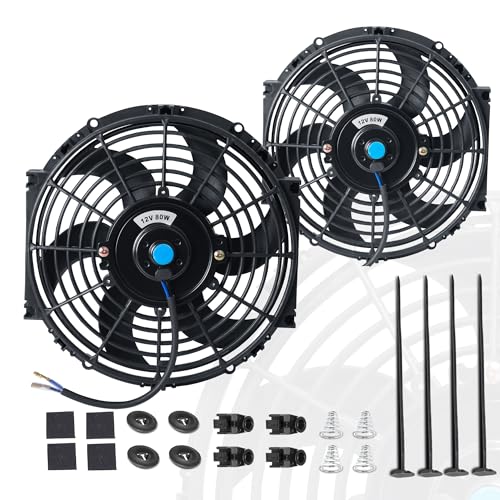
10 Inch Universal Electric Radiator Slim Fan 12V 80W
EVERESTWAY
Budget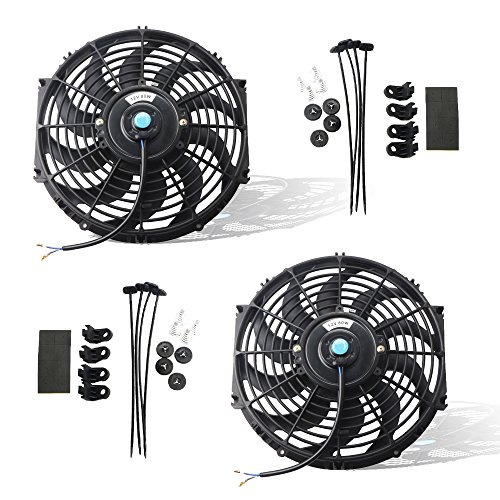
MOSTPLUS 12" Universal Electric Radiator Slim Fans (Set of 2) with Mounting Kit
MOSTPLUS
Mid-Range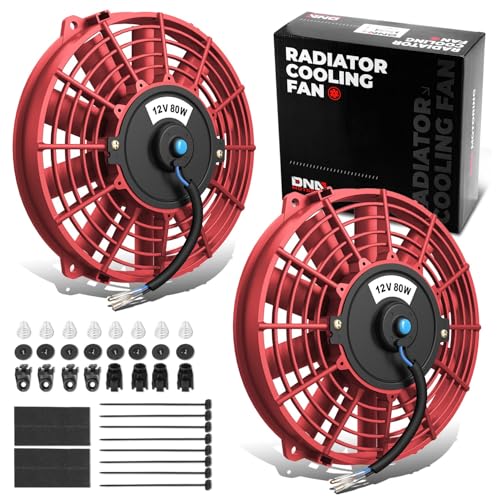
DNA MOTORING 9 Inch Electric Cooling Slim Radiator Fan with Mount Kit, Red
DNA MOTORING
Mid-Range
Speedway Motors 17-Inch Steel Cooling Fan, Six-Blade Non-Flex Design
Speedway Motors
Mid-Range
DNA Motoring 7in high performance electric cooling radiator fan kit, black
DNA MOTORING
Budget
7 Inch 7in Universal 12V Radiator Cooling Fan with Mount Kit
EVERESTWAY
Budget
14" universal electric radiator cooling fan w/ thermostat relay & mount kit
BLACKHORSE-RACING
Budget
DNA Motoring 16in High Performance Electric Cooling Slim Radiator Fan
DNA MOTORING
Budget
DNA MOTORING 10 In. High Performance Electric Slim Radiator Fan (2-pack)
DNA MOTORING
Budget
A-Team Performance 14" Universal Radiator Cooling Fan
A-Team Performance
Mid-Range
DNA MOTORING 7 Inch High-Performance Electric Radiator Fan with Mount Kit
DNA MOTORING
Mid-Range
DNA Motoring 12in High Performance Electric Cooling Slim Radiator Fan w/ Mount Kit
DNA MOTORING
Mid-Range
12 inch universal radiator cooling fan with mounting kit
EVERESTWAY
Budget
Speedway Motors 15 Inch Steel Cooling Fan with non-flex blades
Speedway Motors
Mid-Range
16 inch universal slim radiator cooling fan with mount kit
blackhorseracing
Budget
12" Universal Electric Radiator Cooling Fan with Thermostat Kit
BLACKHORSE-RACING
Budget
16-inch electric radiator fan with thermostat kit
BLACKHORSE-RACING
Mid-Range
MuHize 12" Electric Radiator Cooling Fan, 12V 80W (Pack of 2)
MuHize
Mid-Range
7 Inch Universal Slim Radiator Cooling Fan (Set of 2) 12V 80W
FSBCGT
Budget
DNA MOTORING 12in High Performance Electric Cooling Radiator Fan (2pcs)
DNA MOTORING
Mid-Range
Universal 14in Electric Radiator Fan with Mounting Kit
OHOB-COOL
Budget
A-Team Performance 16 in Electric Radiator Fan Kit, 12V, 8-Blade, 3000 CFM
A-Team Performance
Mid-Range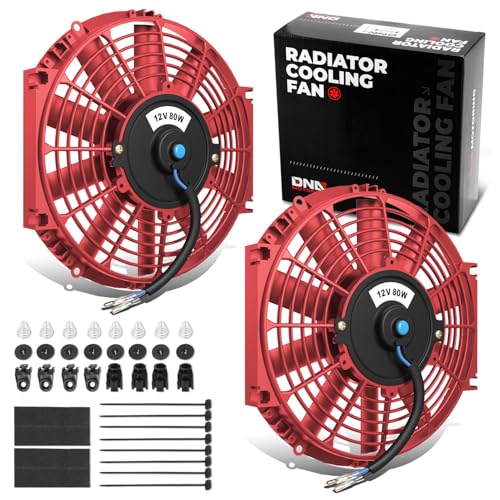
DNA Motoring 10in High-Perf Electric Cooling Slim Radiator Fan w/ Mount Kit
DNA MOTORING
BudgetRoundups
- Best Automotive Replacement Engine Fans for Engine Bay Cooling (2026)
- Best Automotive Replacement Engine Fans for Engine Bay Cooling Upgrade (2026)
- Best Automotive Replacement Engine Fans Under $200 (2026)
- Best Automotive Replacement Engine Fans Under $100 (2026)
- Best Automotive Replacement Engine Fans Under $50 (2026)
- Best Automotive Replacement Engine Fans (2026 Guide)
Frequently Asked Questions
How do I choose the correct replacement engine fan for my vehicle?
Match the fan to your vehicle using year, make, model, engine size, and whether it mounts to the radiator or engine; check connector type and blade diameter/shape to ensure fit and airflow compatibility
What are the main types of replacement engine fans and how do they differ?
Common types include mechanical (engine-driven), electric single- and dual-speed, and pull/push radiator fans; mechanical fans are driven by the engine via a clutch, while electric fans allow more precise temperature control and can be mounted on either side of the radiator
How much should I expect to pay for an engine cooling fan?
Replacement engine fans vary widely depending on type and vehicle application; budget options are often under $50 while a typical range for many aftermarket fans is roughly (price varies) to several hundred dollars, with averages for common units around the mid-hundreds of dollars in some categories
What key specifications should I check besides physical fit?
Check motor voltage, amp draw, airflow (CFM), rotation direction, mounting pattern, electrical connector/pinout, and whether a fan shroud or relay/temperature sensor is required for proper operation
Can I install an electric replacement fan myself and what should I watch for?
DIY installation is possible for experienced enthusiasts; ensure proper wiring with fused power and a relay, secure mounting to avoid vibration, correct fan orientation (push vs. pull), and a reliable temperature switch or ECU-compatible control to prevent overheating
How do I know when a cooling fan needs replacement?
Signs include the fan not spinning when the engine reaches operating temperature, unusual noises or wobbling, overheating at idle or low speeds, burnt electrical smell, or visible motor damage and excessive play in the blades
What maintenance prolongs the life of an engine cooling fan?
Regularly inspect for debris, damaged blades, and corrosion; keep electrical connectors clean and secure, replace worn bearings or motors promptly, and ensure the cooling system (radiator, thermostat, coolant) is functioning to avoid overworking the fan