Automotive Replacement Engine Management Systems
Replacement engine management systems and modules for passenger vehicles, including ECU/ECM units, sensors, and harness components used to control engine functions. 24 products indexed with average rating 4.46 and mid-range prices (about $35–$300, avg $93); brands include Range Technology and CYTROBE
Top Products
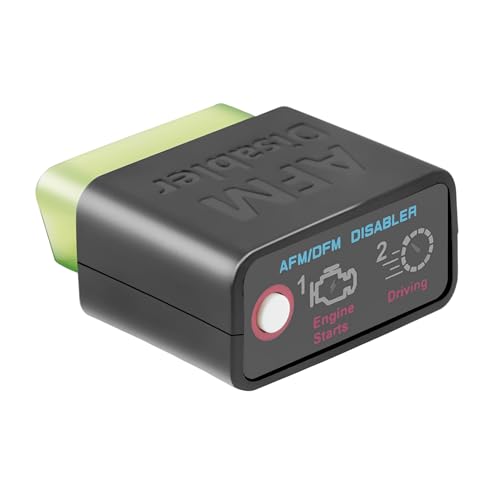
AFM/DFM disabler for Silverado/Sierra 2007-2022 (Plug & Play, black)
Genapendex
Mid-Range
AFM/DFM Disabler for GM V6/V8 engines
CYTROBE
Mid-Range
AFM disabler for GM V6/V8 engines
DZFST.FI
Budget
AFM/DFM Disabler for GM V6/V8 engines
CYTROBE
Mid-Range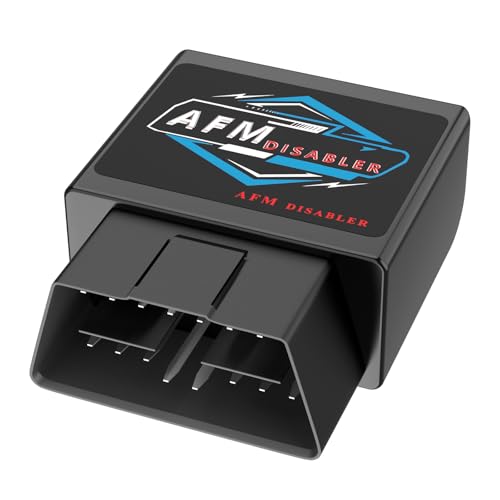
Afm Disabler for GM V6/V8 engines 4.3L-6.2L
Carropecas
Mid-Range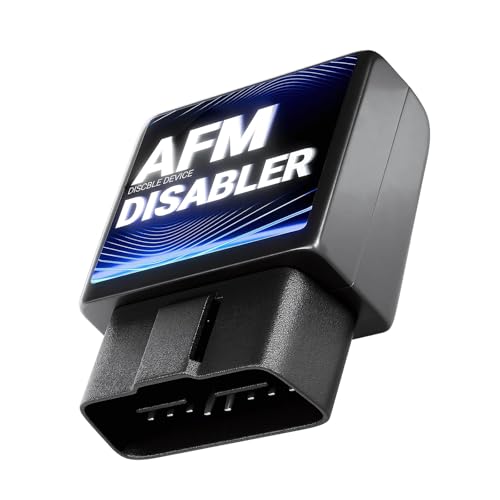
BELZAR AFM/DFM disabler for GM V6/V8 engines
BELZAR
Mid-Range
AFM/DFM Disabler for GM V6/V8 vehicles
Benowo
Mid-Range
AFM/DFM Disable Device for GM V8/V6 engines
OBDDFM
Mid-Range
AFM/DFM Disabler for GM V6/V8 engines
Fazil
Budget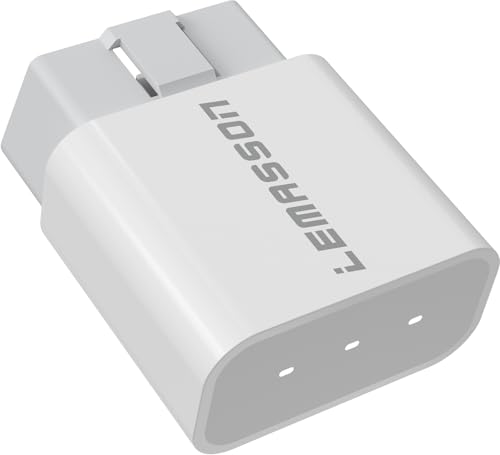
AFM/DFM Disabler for GM V6/V8 engines
LEMASSON
Budget
AFM Disabler RA003 for GM V6/V8 engines
Qdlauto
Budget
AFM/DFM Disabler for GM V6/V8 engines
LEMASSON
Budget
AFM/DFM disabler for GM V6/V8 engines (Chevy/GMC) by Uncle Squirre
Uncle Squirre
Mid-Range
Range AFM/DFM Disabler for GM V6/V8
Range Technology
Premium
AFM/DFM Disabler for GM V6/V8 engines
Joplay
Budget
AFM/DFM Disabler for GM V6/V8 Engines
Nilight
Mid-Range
Power Steering Pump with Pulley for 2006-2011 Honda Civic 1.8L
Autodevil
Mid-Range
AFM Disabler for Silverado 1500 2010-2018 – Plug & Play
Glvvexa
Mid-Range
Pedal Commander Throttle Response Controller for Jeep Wrangler JK
PEDAL COMMANDER
Premium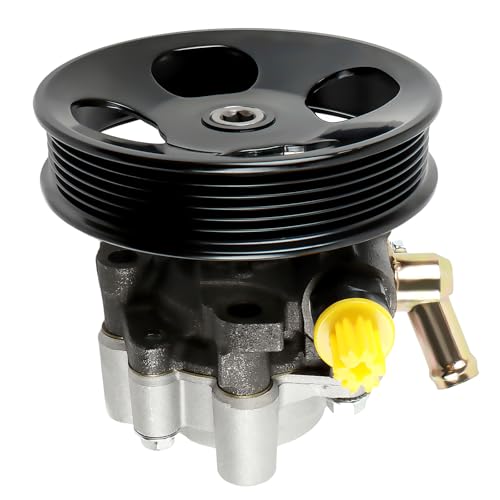
Power Steering Pump for Sequoia/Tundra 4.7L w/Pulley Replacement
Autodevil
Mid-Range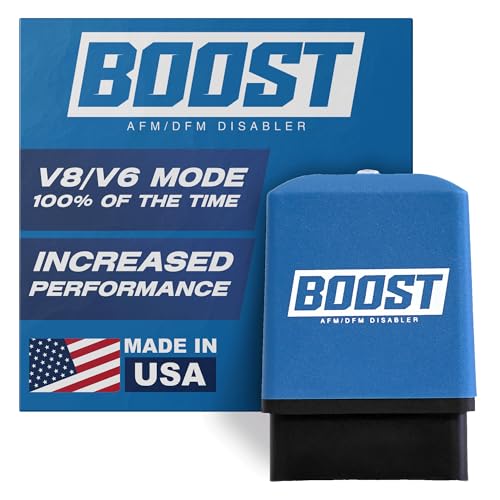
BOOST AFM & DFM Disabler: V8/V6 mode always on
BOOST AFM/DFM Disabler
Premium
Range Technology AFM/DFM Active Fuel Management Disabler
Range Technology
Premium
Range Technology DFM module for GM V8 trucks and SUVs
Range Technology
Premium
Range AFM/DFM Disabler for GM Vehicles RA003G (Green)
Range Technology
PremiumRoundups
- Best Automotive Replacement Engine Management Systems for Highway Driving (2026)
- Best Automotive Replacement Engine Management Systems for Daily Driving (2026)
- Best Automotive Replacement Engine Management Systems Under $200 (2026)
- Best Automotive Replacement Engine Management Systems Under $100 (2026)
- Best Automotive Replacement Engine Management Systems Under $50 (2026)
- Best Automotive Replacement Engine Management Systems (2026 Guide)
Frequently Asked Questions
How do I choose the right replacement engine management system for my vehicle?
Match the replacement EMS to your vehicle's make, model, year, engine type, and ECU connector; verify compatibility with engine sensors and fuel system, and choose between direct-fit modules or programmable standalone systems based on whether you need bolt-in replacement or custom tuning
What are the key features to look for in an engine management system?
Look for sensor and actuator compatibility (MAP/MAF, O2, TPS, injectors, ignition coils), support for your fuel delivery type (port fuel injection, direct injection, carbureted), diagnostic capabilities (OBD/OBD-II codes, live data), and whether it is programmable for tuning or has built-in vehicle-specific maps
How much should I expect to spend on a replacement EMS?
Prices vary by type and capability: basic direct-fit replacement modules commonly fall in lower-price tiers, while programmable or standalone systems cost more; averages for this category are in the low hundreds, with budget options under $100 and advanced programmable units reaching higher price brackets
Can I install a replacement EMS myself, or should I use a professional?
Installation difficulty depends on the unit: direct-fit plug-and-play modules may be installed by experienced DIYers following vehicle service manuals, but programmable or standalone systems usually require wiring changes, sensor calibration, and professional tuning to ensure drivability and emissions compliance
What maintenance or care does an engine management system need after installation?
Regularly check wiring connections and grounds for corrosion or looseness, keep firmware/software up to date when applicable, monitor diagnostic trouble codes and live data after installation, and have periodic tune checks if the unit is programmable or if engine modifications are made
How can I verify compatibility when product listings are incomplete?
Use the vehicle's VIN, engine code, and connector pinouts to cross-reference manufacturer fitment charts or technical specs, contact the seller with those details, and consult wiring diagrams or a professional to confirm sensor and communication protocol matches (e.g., OBD-II, CAN)
Do replacement EMS units affect emissions or vehicle inspections?
Yes—changing the EMS can alter emissions-control behavior; ensure the replacement maintains required emissions functionality and supports diagnostic readiness monitors to comply with local inspection regulations, and retain documentation of any tuning or hardware changes for inspection purposes