Automotive Replacement Engine Radiators
Replacement engine radiators for cars and light trucks, including direct-fit and universal-fit cores, hoses, and mounting components. Category averages 4.44 stars across 363 indexed products with price tiers from about $42 to $320 and brands like TRQ represented. Options span budget through mid-range replacements and retrofit units
Top Products

DWVO radiator for 2004-2010 Chevy Malibu & more (3.5L-3.9L V6)
DWVO
Mid-Range
DWVO Radiator for 2013-2018 Chevy Malibu/Impala
DWVO
Mid-Range
DWVO Radiator for 1997-2001 Camry & 1999-2001 Solara 2.2L L4
DWVO
Mid-Range
DWVO Radiator for Toyota Camry Solara 2.4L L4
DWVO
Mid-Range
DWVO Radiator for Ford Focus 2000-2007 2.0L/2.3L L4
DWVO
Mid-Range
DWVO Radiator for 2007-2011 Camry 2.4L/2010-2011 Camry 2.5L
DWVO
Mid-Range
DWVO Radiator for 2009-2019 Toyota/GM compact cars (1.8L-2.0L) CU13106
DWVO
Mid-Range
SCITOO Radiator for Honda Accord (1998-2002) Aluminum Core
SCITOO
Mid-Range
AUTOSAVER88 Radiator for Ford Focus 2000-2007
AUTOSAVER88
Mid-Range
DWVO Radiator for 2001-2010 Chrysler PT Cruiser 2.4L
DWVO
Mid-Range
DWVO Radiator for 2000-2005 GM V6 vehicles
DWVO
Mid-Range
Radiator for 2005-2012 Avalon / 2007-2011 Camry / 2009-2016 Venza 3.5L V6
AUTOSAVER88
Mid-Range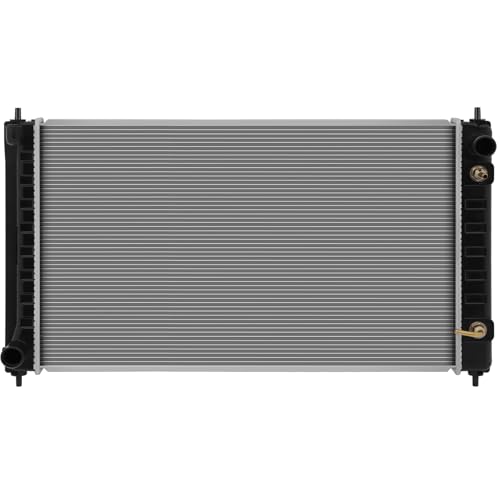
SCITOO Radiator Replacement for Nissan Altima/Maxima (2.5L/3.5L) 2007-2019
SCITOO
Mid-Range
DWVO Radiator for 2007-2018 Altima & 2009-2023 Maxima
DWVO
Mid-Range
AUTOSAVER88 Radiator for 2004-2010 Chevy Malibu & 2005-2010 Pontiac G6
AUTOSAVER88
Mid-Range
DWVO Radiator for 2012-2018 Ford Focus
DWVO
Mid-Range
DWVO Radiator for Chevy/GMC SUVs and trucks with heavy-duty cooling
DWVO
Mid-Range
AUTOSAVER88 Civic Aluminum Radiator D17A1/A2/A6/A7
AUTOSAVER88
Mid-Range
Radiator for 2008-2011 Ford Focus 2.0L (OE style, high efficiency)
AUTOSAVER88
Mid-Range
AUTOSAVER88 Radiator for Honda Civic ILX 1.8L/2.4L L4
AUTOSAVER88
Mid-Range
Radiator for 1997-2004 Ford Mustang 3.8L V6
AUTOSAVER88
Mid-Range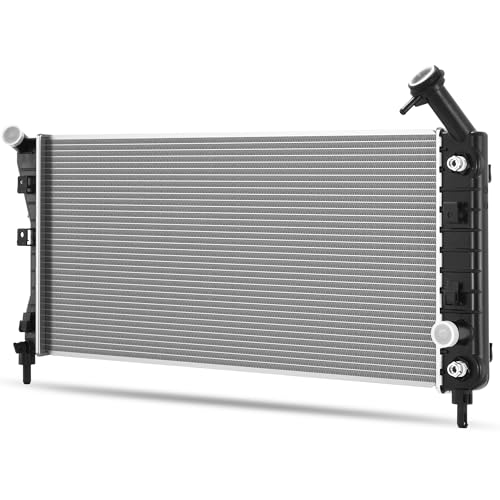
DWVO Radiator for Buick LaCrosse & Pontiac Grand Prix
DWVO
Mid-Range
Radiator for 2002-2008 Camry/Solara 2.4L L4
AUTOSAVER88
Mid-Range
Radiator for 2008-2012 Jeep Liberty 3.7L V6
AUTOSAVER88
Mid-RangeRoundups
Frequently Asked Questions
How do I choose the correct replacement radiator for my vehicle?
Match the radiator to your vehicle's make, model, year, and engine size; confirm mounting points, inlet/outlet locations and hose diameters, core dimensions, and transmission cooler or oil cooler fittings if applicable. Use the vehicle identification or factory part number cross-reference to ensure fit
Should I buy a full aluminum radiator, plastic-to-aluminum, or copper/brass one?
All-aluminum radiators are lightweight and common for modern vehicles, plastic-to-aluminum units are cost-effective, and copper/brass radiators offer excellent thermal conductivity but are heavier; choose based on vehicle compatibility, budget, and desired durability
What are the typical price ranges and what affects cost?
Replacement radiators generally range from budget options under $50 up to several hundred dollars for heavy-duty or OEM-equivalent units; price is influenced by material, core size, tank construction, included accessories (fans, sensors, hoses), and brand
Are aftermarket radiators reliable and how do ratings matter?
Many aftermarket radiators meet or exceed OEM specifications, but reliability varies by manufacturer and construction quality; review user ratings and look for features like welded cores, brass or reinforced tanks, and corrosion-resistant coatings when evaluating options
What should I check before installing a new radiator?
Inspect mounting brackets, hose and clamp condition, thermostat and water pump operation, and clean or replace any contaminated coolant; verify the new radiator's fittings and accessory compatibility before installation
Can I replace a radiator myself and what tools or skills are needed?
A competent DIYer can replace many radiators using basic hand tools, a drain pan, coolant, new clamps or hoses as needed, and knowledge of safe coolant handling and bleeding procedures; some vehicles require additional steps like removing intercoolers or fan assemblies
How do I maintain a replacement radiator to extend its life?
Flush and refill coolant at manufacturer-recommended intervals, use the correct coolant type and mixture, inspect for leaks or corrosion periodically, keep fins clear of debris, and promptly replace deteriorated hoses and clamps