Automotive Replacement Engine Thermostat Housings
Replacement engine thermostat housings for passenger vehicles, offering cast aluminum and plastic units that mount the thermostat and connect coolant hoses. Collection includes 15 indexed products averaging a 4.36 rating and mid-range prices (about $33–$100, avg $45); notable brands include TRQ
Top Products

Dorman 902-2090 Engine Coolant Thermostat Housing Assembly
Dorman
Mid-Range
Thermostat Housing with Gasket & Sensor for Chevy Cruze/Sonic/Trax
MNJWS
Budget
TRQ Engine Coolant Thermostat Housing Water Inlet
TRQ
Budget
Aluminum Engine Coolant Thermostat Housing Assembly Kit
YOUYIEN
Budget
Engine Coolant Thermostat Housing Assembly for Dodge/Chrysler/Jeep
FILTERUP
Budget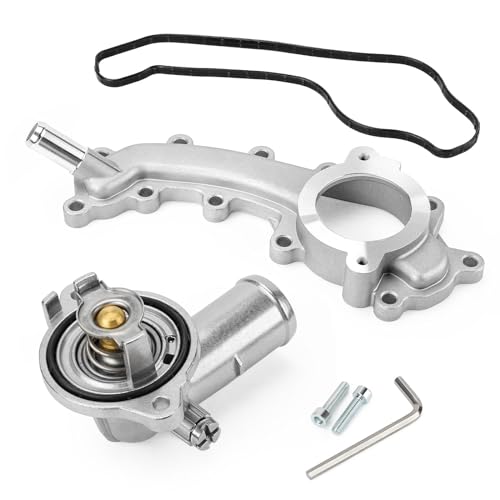
Aluminum thermostat housing assembly for Dodge Durango/Jeep Grand Cherokee
C-Tzu
Budget
EVIL ENERGY Engine Coolant Thermostat Housing Kit
EVIL ENERGY
Budget
Aluminium thermostat housing assembly for Chrysler/Dodge/Jeep
C-Tzu
Budget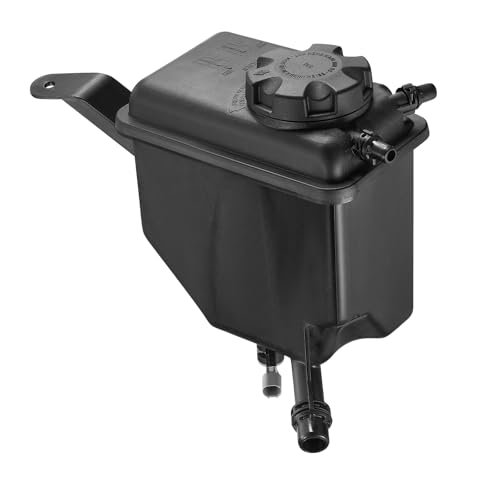
Engine coolant expansion reservoir for BMW 3.0L-4.8L
BDFHYK
Mid-Range
A-Premium Aluminum Coolant Thermostat & Housing with Sensor
A-Premium
Budget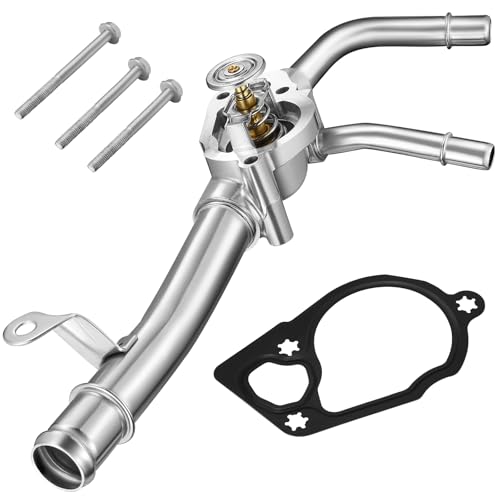
Aluminum coolant thermostat housing for Buick/Chevy/GMC
BDFHYK
Mid-Range
A-Premium Engine Coolant Thermostat & Housing Assembly for Mini Cooper
A-Premium
Budget
TRQ Thermostat with Housing Assembly for Ford/Mazda
TRQ
Mid-Range
Thermostat housing assembly w/sensor for Dodge/Chrysler/Jeep
A-Premium
Mid-Range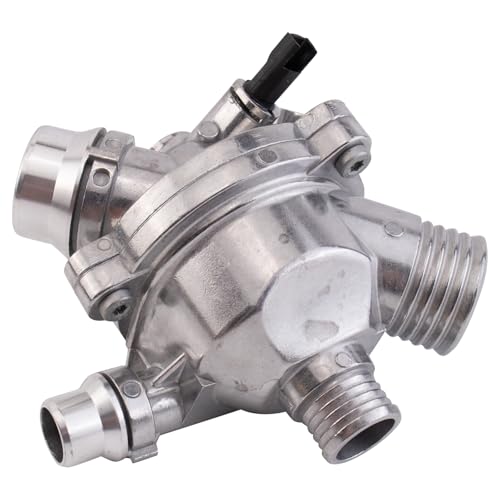
Thermostat with housing assembly for BMW (TRQ)
TRQ
Mid-RangeRoundups
Frequently Asked Questions
How do I know which thermostat housing fits my vehicle?
Match the housing to your vehicle year, make, model, engine code, and VIN if available; compare mounting bolt pattern, coolant outlet orientation, sensor ports, and OEM or aftermarket part numbers to ensure compatibility
What's the difference between plastic and aluminum thermostat housings?
Plastic housings are lighter and usually less expensive but can be more prone to heat-related warping or cracking over time; aluminum housings are more durable and resist heat better but typically cost more and may require corrosion-resistant coatings
What features should I look for when choosing a replacement housing?
Look for correct sensor/thermostat port locations, reinforced mounting points, corrosion-resistant materials or coatings, gasket or O-ring inclusion, and whether the unit meets or exceeds OEM specifications
Are replacement housings easy to install and what tools are required?
Many housings are installable with basic hand tools (socket set, screwdrivers, torque wrench) and replacement gasket or sealant; expect to drain some coolant, follow torque specs, and verify no leaks after refilling and warming the engine
How long do thermostat housings typically last and what are common failure signs?
Lifespan varies by material and conditions but often ranges from several years to the life of the vehicle; common signs of failure include coolant leaks, overheating, visible cracks or warping, and coolant contamination around the housing
Should I replace the thermostat and gasket when replacing the housing?
It's recommended to replace the thermostat and use a new gasket or O-ring when replacing the housing to ensure proper sealing and avoid repeating the repair due to worn components
How much can I expect to pay for a replacement thermostat housing?
Aftermarket thermostat housings typically range from budget options under $25 to higher-quality units over $100, with many common options falling around the $25–$75 range depending on material and fitment