Automotive Replacement Exhaust Resonators
Replacement exhaust resonators for cars and light trucks, including straight-through and chambered designs to reduce drone and tune exhaust tone. Ten products indexed with an average rating of 4.53 and mid-range pricing (about $35–$140); brands include A-KARCK and Vibrant Performance
Top Products

LCGP 2.25in Inlet/Outlet Universal Resonator, 13.77in SS Muffler
LCGP
Budget
LCGP 2
LCGP
Budget
LCGP 4" Inlet/Outlet Stainless Steel Resonator, 13.77" length
LCGP
Mid-Range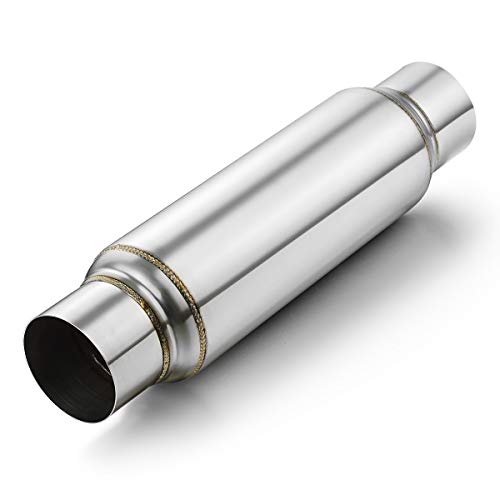
A-KARCK 3 in. Exhaust Resonator 16 in. - Deep Tone
A-KARCK
Budget
A-KARCK 3in Inlet/Outlet Exhaust Resonator, 21in
A-KARCK
Budget
A-KARCK 2.5in Inlet/Outlet Exhaust Resonator, 20in Length
A-KARCK
Budget
A-KARCK Exhaust Resonator 3" Inlet/Outlet, 12" Length, Stainless Deep Tone
A-KARCK
Mid-Range
A-KARCK 4" Inlet/Outlet Exhaust Resonator, 30" length
A-KARCK
Mid-Range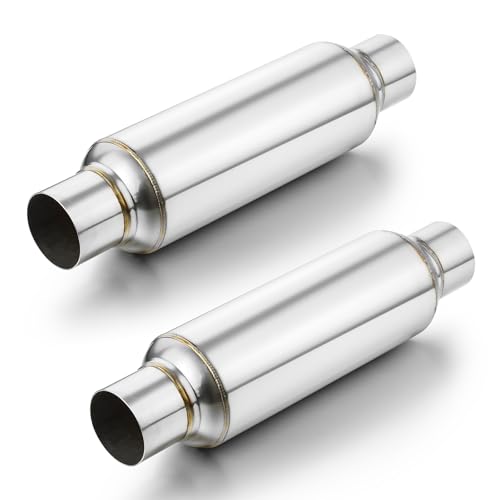
A-KARCK 2.5in Inlet Resonator, Exhaust Muffler (2 Pack)
A-KARCK
Mid-Range
Vibrant Performance 1142 Ultra Quiet Resonator
Vibrant Performance
Mid-RangeRoundups
- Best Automotive Replacement Exhaust Resonators for Custom Exhaust Builds (2026)
- Best Automotive Replacement Exhaust Resonators Under $200 (2026)
- Best Automotive Replacement Exhaust Resonators Under $100 (2026)
- Best Automotive Replacement Exhaust Resonators Under $50 (2026)
- Best Automotive Replacement Exhaust Resonators (2026 Guide)
Frequently Asked Questions
What is an exhaust resonator and how does it differ from a muffler?
An exhaust resonator is a resonant chamber designed to tune or reduce specific sound frequencies in the exhaust system, while a muffler uses baffles and chambers to reduce overall noise and backpressure; resonators are often paired with mufflers to refine tone without significantly affecting exhaust flow
How do I choose the right resonator size and fit for my vehicle?
Match the resonator inlet/outlet diameter and overall length to your exhaust pipe and mounting space, check whether a straight-through or chambered design is needed for fitment, and confirm compatibility with your vehicle's pipe routing or adapter requirements
What materials and construction features should I look for?
Look for resonators made from corrosion-resistant materials like 304 or aluminized steel, robust welds, and internal designs (perforated core, packing) suited to your desired sound and durability; stainless steel offers better long-term corrosion resistance than aluminized steel
Will installing a resonator affect engine performance or fuel economy?
A properly sized resonator typically has minimal impact on performance or fuel economy because it primarily affects sound; very restrictive designs can increase backpressure and may slightly affect power, so choose straight-through, low-restriction options if performance is a priority
Can I install a resonator myself, and what tools are required?
Many resonator installations are DIY-friendly and require basic tools such as a jack and stands, wrenches, exhaust clamps or weld equipment, a saw or cutter for pipe modification, and safety gear; welding provides a more permanent connection than clamps
How long do resonators typically last and how should they be maintained?
Lifespan depends on material and driving conditions; stainless steel units can last many years while aluminized units may corrode faster in harsh climates; inspect for rust, leaks, and loose hangers periodically and repair or replace components if you notice noise changes or exhaust leaks
Are universal resonators compatible with most vehicles or should I get vehicle-specific ones?
Universal resonators can fit many applications if you match diameters and have room for length, but vehicle-specific resonators or kits simplify installation and ensure proper fitment for routing and hanger locations