Automotive Replacement Fuel Lines
Replacement fuel lines and related fittings for automotive fuel systems, including rubber, braided, and hard-line assemblies for various vehicles. Twelve products are indexed with an average rating of 4.53 and prices ranging roughly $34–$262, from brands like Podavelle and GM GENUINE PARTS
Top Products

GM Genuine Parts Intermediate Fuel Feed Pipe
GM GENUINE PARTS
Budget
Kreem 19-103 Fuel Tank Liner Combo Pack, 3 Pack, Black
Kreem
Mid-Range
SAE 30R9 fuel hose 5/16" ID, 10ft high-pressure push-lock line
TREXFLOW TF
Budget
Fuel Line Hose Kit 6PCS 10FT with 30 clamps for small engines
MSLANE
Budget
1/2 inch Aluminum Fuel Line Coil 25ft
Podavelle
Budget
5/8" OD aluminum hard fuel line coil 16 ft
Podavelle
Budget
Stainless steel fuel line tubing, 16 ft, 3/8 in OD, grade 304
The Stop Shop
Mid-Range
Diesel Fuel Injector Return Line Assembly for GM Duramax 6.6L LLY LBZ LMM
KPALAG
Budget
Fuel Lines Kit for Chevy Silverado/GMC Sierra (4.3-8.1L) Repair
Gledewen
Mid-Range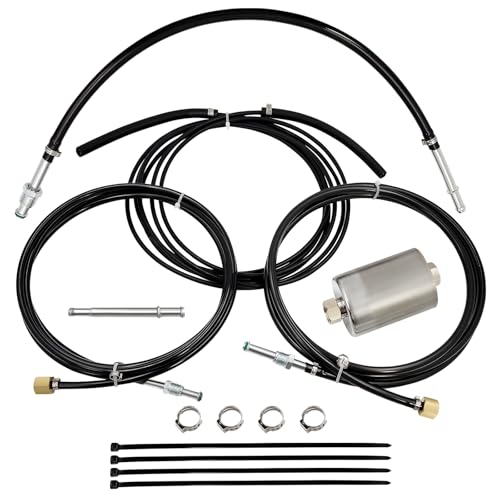
Nylon Fuel Line for Chevy/GMC 1988-1997
JkorkM
Mid-Range
4150 Carburetor Fuel Line Kit with Pressure Gauge
LVOUP
Budget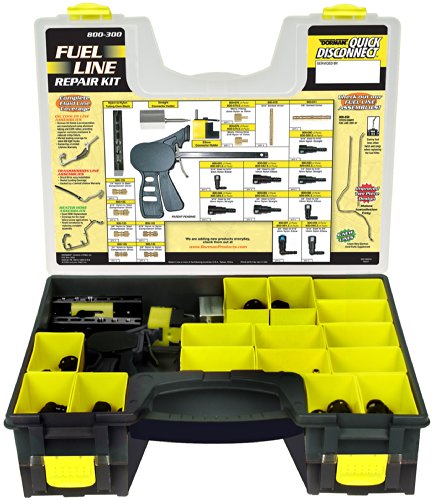
Dorman Nylon Fuel Line Repair Kit, 104 Piece Universal Fit
Dorman
PremiumRoundups
Frequently Asked Questions
How do I determine the correct replacement fuel line for my vehicle?
Check your vehicle’s make, model, year, engine size, and whether it uses steel, rubber, or braided lines; consult the OEM part number or a fitment chart and match thread sizes and connectors to ensure proper fit and fuel compatibility
What materials and construction should I look for in a durable fuel line?
Look for materials rated for fuel exposure such as nitrile rubber, PTFE, or stainless steel braided lines and corrosion-resistant fittings; these resist ethanol blends, high temperatures, and abrasion better than unprotected materials
Are universal fuel lines a reliable option or should I buy vehicle-specific parts?
Vehicle-specific lines are typically preferred for direct fit, correct bends, and OEM-style fittings; universal lines can work for custom or emergency repairs but may require additional fittings, heat shaping, or brackets to achieve a secure installation
How much should I expect to spend on replacement fuel lines?
Replacement fuel lines commonly fall in a range from under $50 for simple rubber or short universal sections to several hundred dollars for complete OEM-style assemblies or high-end stainless braided kits, with average listings typically near the mid-range
Can I install fuel lines myself, and what safety precautions are needed?
Experienced DIYers can replace fuel lines with proper tools, a clean work area, and by relieving fuel pressure, disconnecting the battery, and avoiding open flames; always use approved clamps or fittings and test for leaks before regular driving
How do I maintain replacement fuel lines to extend their service life?
Inspect lines regularly for cracks, swelling, chafing, or corrosion; keep fittings tight, replace deteriorated clamps, and avoid routing lines near sharp edges or high-heat sources to prevent premature failure
What compatibility issues should I watch for with fuel blends like ethanol?
Ensure replacement lines and seals are rated for ethanol-containing fuels (E10, E15, etc.); some older rubber materials degrade with higher ethanol blends, so choose ethanol-resistant compounds or PTFE/stainless options if you will use such fuels