Automotive Replacement Fuel System Fittings
Replacement fuel system fittings for cars and trucks, including hose connectors, quick-disconnects, and adapter fittings for fuel lines and injectors. The 35 indexed products average a 4.67 rating and mid-range prices around $38; offerings include brands like EVIL ENERGY
Top Products
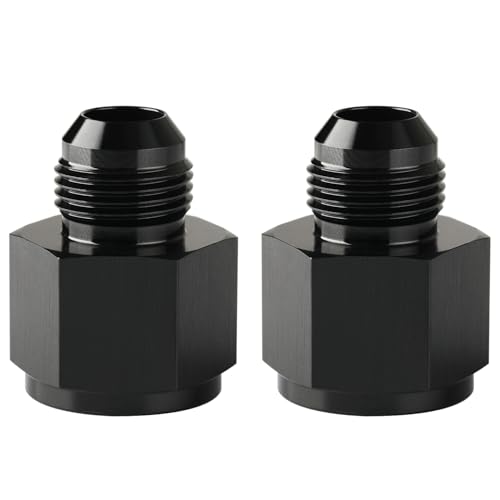
16AN to 12AN Flare Reducer Adapter (2-pack) Aluminum
Podavelle
Budget
Fuel hose swivel 360° rotating connector, 2 pcs
kalageen
Budget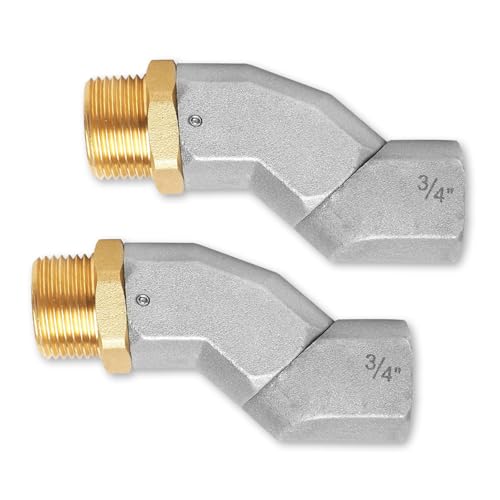
2Pcs 3/4 In NPT Fuel Hose Swivel Connector
YIENAKFUN
Budget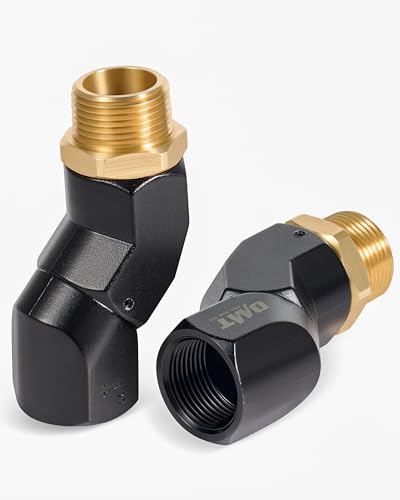
Orion 360° Swivel Fuel Hose NPT Kit (2pcs) 1"
Orion Motor Tech
Budget
Orion Motor Tech 2pc 3/4" NPT Fuel Hose Swivel Kit
Orion Motor Tech
Budget
EVIL ENERGY 10AN Female to 3/4in Barb Swivel Fitting 2PCS
EVIL ENERGY
Budget
2Pcs 3/4 inch fuel hose swivel connector 19mm
YIENAKFUN
Budget
EVIL ENERGY 10AN 180° One-Piece Full Flow Hose End Fitting
EVIL ENERGY
Budget
Fuel Hose Swivel 360° Connector, 2 pcs
kalageen
Budget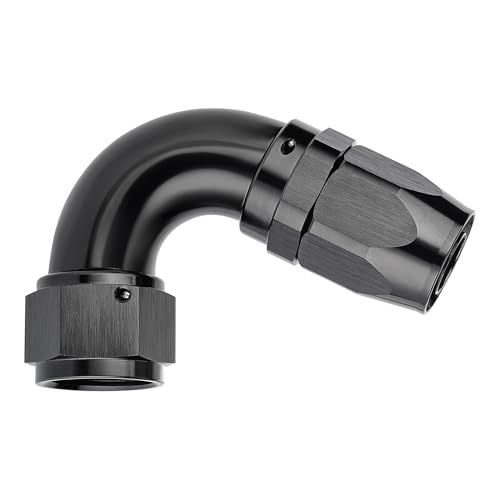
EVIL ENERGY 12AN 120 Degree One Piece Full Flow Hose End Fitting Swivel
EVIL ENERGY
Budget
8AN Female to 5/16 In. Hose Barb Fittings (2pcs) Aluminum 45° Swivel
Podavelle
Budget
2pcs 1 inch NPT Fuel Hose Swivel 360° Connector
YIENAKFUN
Budget
Short Straight Grease Fittings, Pack of 100
Performance Tool
Budget
EVIL ENERGY 16AN Hose End Fitting 90 Degree Swivel
EVIL ENERGY
Budget
AN10 to 3/8 barb 90° hose fitting adapter (2 pcs)
Podavelle
Budget
AN20 Straight Swivel Hose End Fitting, aluminum
Podavelle
Budget
16AN female to 16AN female 45° swivel coupler fitting (aluminum, black)
Podavelle
Budget
Assorted fuel line straight connectors kit, SAE sizes
AC PERFORMANCE
Budget
20AN 90 Degree Elbow Hose End Fitting Swivel Aluminum Black
Podavelle
Mid-Range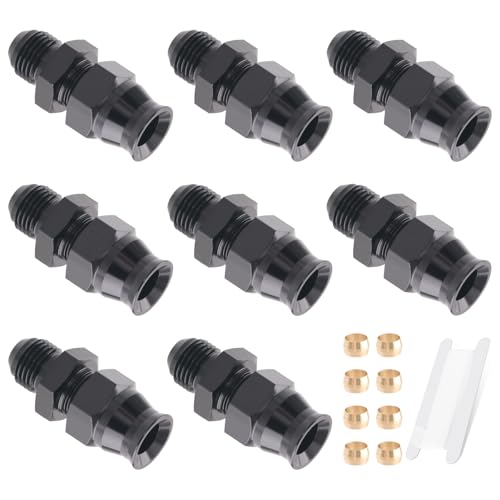
6AN Male Flare to 3/8 inch Tube Fitting Adapter Aluminum
Taiidaues
Budget
EVIL ENERGY 16AN Female to 16AN Female 90 Degree Full Flow Swivel Coupler Aluminum
EVIL ENERGY
Budget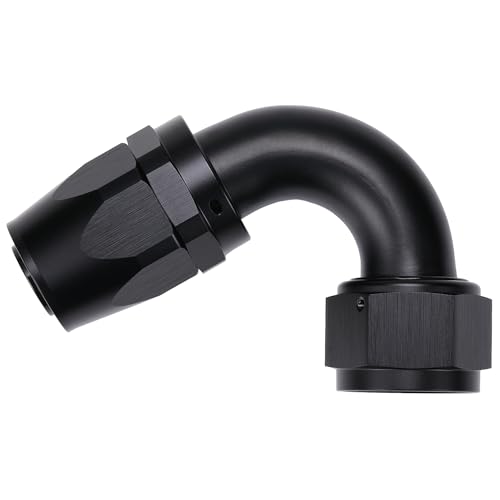
16AN 120 Deg Swivel Aluminum Hose End Fitting
Podavelle
Budget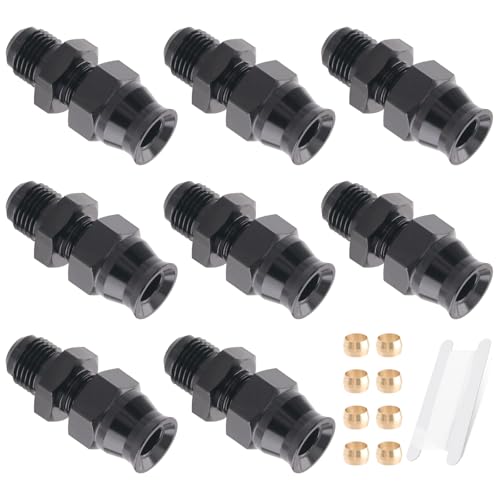
6AN Male to 5/16” hardline compression fitting
Taiidaues
Budget
16AN female to 16AN female swivel coupler fitting
Podavelle
BudgetRoundups
Frequently Asked Questions
How do I choose the right replacement fuel system fitting for my vehicle?
Match the fitting type, thread size, and hose diameter to your vehicle’s fuel line and component specifications; check OEM part numbers or measure existing fittings for thread pitch and inner/outer diameters, and choose compatible materials (brass, stainless steel, or anodized aluminum) based on fuel type and corrosion resistance needs
What materials and coatings should I look for to resist corrosion and fuel compatibility?
Stainless steel and brass offer strong corrosion resistance and compatibility with gasoline and diesel; anodized aluminum is lightweight and common for aftermarket parts but verify the anodize quality for long-term resistance and confirm compatibility with ethanol-blended fuels
Are universal fittings safe, or should I buy vehicle-specific parts?
Universal fittings can work for many repairs if their dimensions and pressure ratings match your system, but vehicle-specific fittings reduce risk of mismatches in thread pitch, sealing method, or pressure class—use vehicle-specific or carefully verified universal parts for safety-critical connections
What pressure ratings and sealing methods matter for fuel line fittings?
Select fittings rated above your system’s maximum fuel pressure (common ranges: low-pressure return systems vs. high-pressure direct-injection lines); sealing methods include O-rings, tapered threads, and crush washers—ensure the chosen method matches the mating component and pressure requirements
How should I install and torque fuel fittings to avoid leaks?
Clean mating surfaces, use the correct thread sealant or O-ring where specified, hand-start threads to avoid cross-threading, and tighten to the manufacturer’s torque specification or use recommended turns past hand-tight for tapered fittings; pressure-test the system for leaks after installation
What maintenance or inspection should I perform after installing replacement fuel fittings?
Inspect fittings periodically for signs of corrosion, fuel smell, wetness, or looseness, re-torque if specified by manufacturer after initial run-in, and replace seals or fittings at first sign of degradation or persistent leaks
How much should I expect to pay for replacement fuel system fittings?
Aftermarket replacement fittings typically fall in a budget range under $50 for single fittings and higher for specialized or performance-grade components; shop by material, pressure rating, and brand reputation rather than price alone