Automotive Replacement Fuel Tank Filler Necks
Replacement fuel tank filler necks and related plumbing for passenger vehicles, including welded and clamp-on styles for fuel tank-to-neck connections. The category spans mid-range prices (about $36–$90, average ~(price varies)) with brands such as TRQ represented among 20 indexed products and an average rating of 4.28
Top Products

Gas Tank Filler Neck Pipe Replacement for Ford/Mazda Trucks
Flynsu
Budget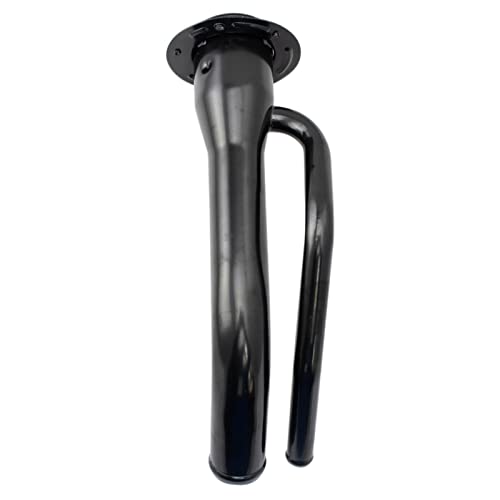
TRQ Fuel Tank Filler Neck for 1998-2000 Ford Ranger
TRQ
Mid-Range
TRQ Fuel Tank Filler Neck for GM Express Savana 2005-2019
TRQ
Mid-Range
TRQ Fuel Tank Strap for 1967-1969 Camaro/Firebird
TRQ
Mid-Range
TRQ Fuel Tank Filler Neck for Integra/Civic (1992-1998)
TRQ
Mid-Range
TRQ Fuel Tank Filler Neck for 2000-2005 Ford Excursion
TRQ
Mid-Range
TRQ Fuel Tank Filler Neck for Ford Crown Victoria/Mercury Grand Marquis
TRQ
Mid-Range
TRQ Fuel Tank Filler Neck for 2002-2004 Toyota Tacoma
TRQ
Mid-Range
SCITOO Fuel Filler Neck for Ford Ranger/Mazda B-series 1990-1997
SCITOO
Mid-Range
TRQ fuel tank strap for 2007-2014 Toyota FJ Cruiser
TRQ
Mid-Range
TRQ Fuel Tank Filler Neck for 1999-2004 Ford Mustang
TRQ
Mid-Range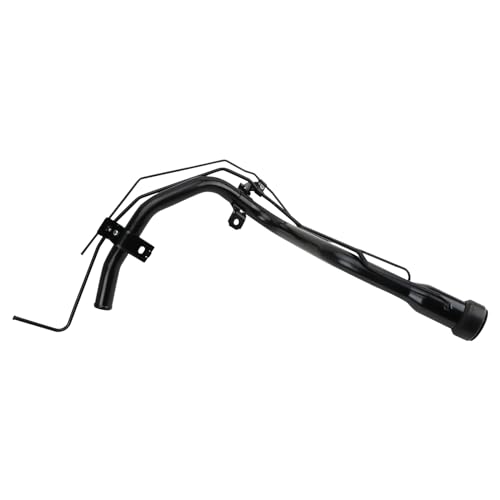
Fuel Tank Filler Neck for Lexus ES300/Camry (2002-2004)
TRQ
Mid-Range
Fuel Tank Straps for Ford Crown Victoria/Tleet Town Car/TRQ
TRQ
Mid-Range
TRQ Fuel Tank Strap for GM/Sonoma Isuzu Hombre (1982-2002)
TRQ
Mid-Range
TRQ Fuel Tank Filler Neck for Chevy Silverado 1500 / GMC Sierra 1500
TRQ
Mid-Range
TRQ Fuel Tank Filler Neck for Ram 2003-2024
TRQ
Mid-Range
Gas Tank Filler Neck Hose Replacement for Ford Ranger 1993-1997
LDMINDA
Mid-Range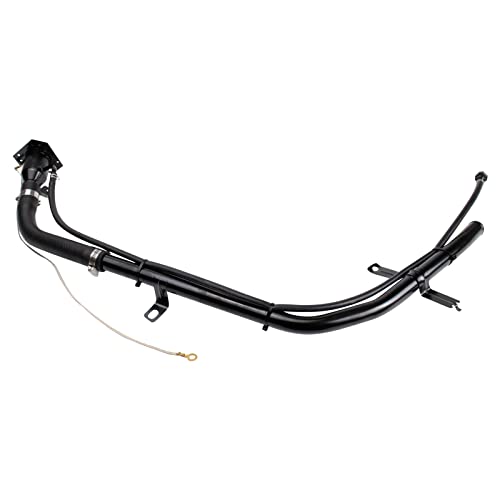
Fuel Tank Filler Neck for 04-05 Escalade/Tahoe/Yukon (Black)
TRQ
Mid-Range
Fuel Tank Filler Neck for GM Silverado Sierra 2007-2013
TRQ
Mid-Range
TRQ Fuel Tank Strap for Ford F-250/F-350 Super Duty
TRQ
Mid-RangeRoundups
Frequently Asked Questions
What is a fuel tank filler neck and why would I need to replace it?
A fuel tank filler neck is the pipe that connects the fuel filler inlet (where you insert the gas nozzle) to the vehicle’s fuel tank; replace it if it's corroded, leaking, has split or warped material, or if the filler cap won't seal properly
How do I choose the correct replacement filler neck for my vehicle?
Match the replacement by vehicle make, model, year, engine/transmission where specified, and by mounting style and hose diameter; verify OEM part numbers or compare measurements and connector types to ensure fitment
Are there different materials and construction types to consider?
Yes—filler necks are commonly made from steel, aluminized steel, or molded plastic; steel options are more corrosion-resistant when coated, while plastic resists rust and can be lighter; choose based on local climate, road salt exposure, and vehicle compatibility
What are typical price ranges and budget considerations?
Replacement filler necks typically range from budget options under $50 to higher-cost units over $100 depending on material and vehicle fit; factor in potential additional costs for hoses, clamps, and professional installation if needed
Can I install a filler neck myself, and what tools or skills are required?
DIY installation is possible for many models but usually requires basic automotive tools—screwdrivers, socket set, jack and stands, clamps and replacement hoses—and ability to work safely under the vehicle and disconnect fuel-system components; consult a repair manual for torque specs and safety steps
What are common signs the filler neck is failing?
Look for fuel odors near the filler area, visible rust or holes, fuel leakage when filling, difficulty sealing the gas cap, or check-engine light codes related to evaporative emissions as indicators of a failing filler neck
How should I maintain a replacement filler neck to extend its life?
Keep the filler area clean, ensure clamps and hoses are tight and free of cracks, use a proper fuel cap, and inspect periodically for corrosion or damage—addressing road salt and moisture promptly helps prevent premature degradation