Automotive Replacement Fuel Tanks
Replacement fuel tanks and related mounting hardware for cars, trucks, and SUVs, offered in steel and plastic constructions for direct-fit and universal applications. The category spans budget through mid-range options (about $34–$400, average $152) and includes brands like TRQ among 58 indexed products with an average 4.50 rating
Top Products

muge racing Carbon Fiber Universal Oil Catch Can Kit with Breather Filter
muge racing
Budget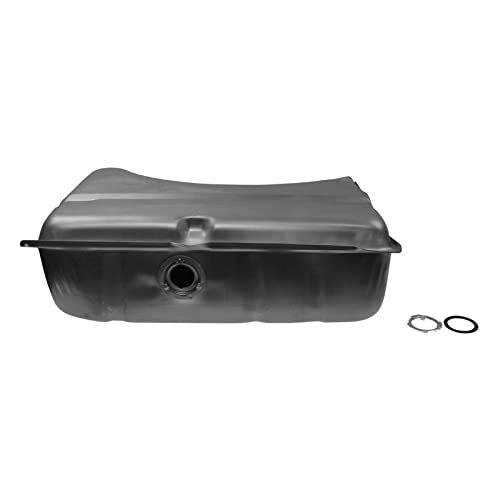
Gas fuel tank 18 gal for 1964-1966 Dodge Dart, Barracuda, Valiant
TRQ
Mid-Range
Gas Fuel Tank 15.9 gal for 1955-1956 Chevy Bel Air Two-Ten
TRQ
Mid-Range
Gas fuel tank 15 gal for Jeep CJ5/CJ7/Scrambler
TRQ
Mid-Range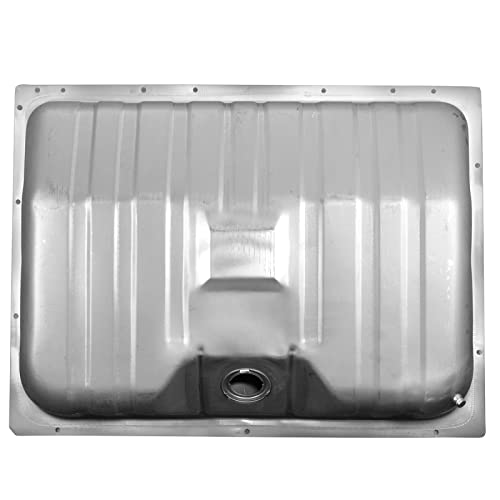
Gas fuel tank 16 gal for 1960-1965 ford falcon & 1960-1963 mercury comet
TRQ
Mid-Range
Gas fuel tank 20 gal for 1961-1964 chevrolet bel air impala
TRQ
Mid-Range
Gas Fuel Tank 15.1 gal for Jeep CJ5 CJ6 CJ7 1973-1976
TRQ
Mid-Range
TRQ gas fuel tank 16 gal for Ford F-150 F-250 F-350 chassis
TRQ
Mid-Range
Gas Fuel Tank 22 gal for Chevy/GMC 1987-1995
TRQ
Mid-Range
TRQ 16 gal fuel tank for GM trucks and vans
TRQ
Mid-Range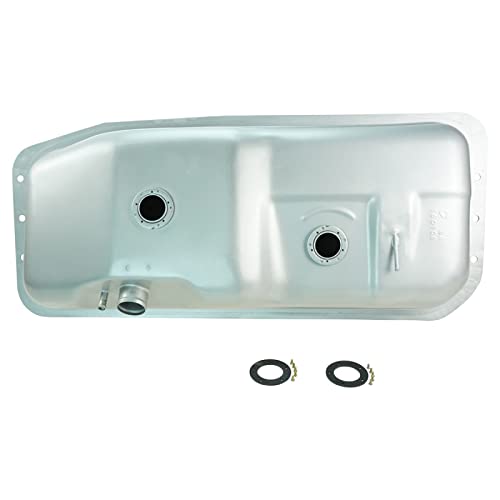
TRQ 17 Gal Fuel Tank for Toyota Pickup
TRQ
Premium
Gas fuel tank 11 gal for Geo Tracker / Sidekick
TRQ
Mid-Range
Gas fuel tank 18 gal for 1968-1970 dodge dart / 1968-1969 plymouth barracuda
TRQ
Mid-Range
Gas fuel tank 16 gal for 1960-1965 ford falcon & 1960-1963 mercury comet
TRQ
Mid-Range
Gas Fuel Tank 15.9 gal for 1957 Chevrolet Bel Air
TRQ
Mid-Range
Gas Fuel Tank 24 gal for 1970-1974 Corvette
TRQ
Mid-Range
TRQ Side Mounted Gas Fuel Tank 16 gal for Ford F-Series
TRQ
Mid-Range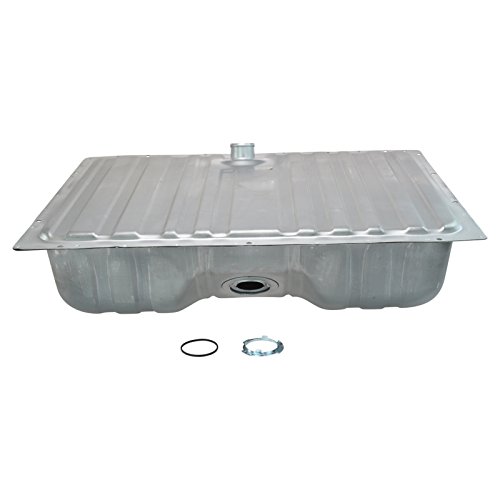
Gas fuel tank 16 gal for 1964-1968 ford mustang & 1967-1968 mercury cougar
TRQ
Mid-Range
Auxiliary Fuel Tank Install Kit for Dodge Ram Diesel (11408)
RALZAOTO
Budget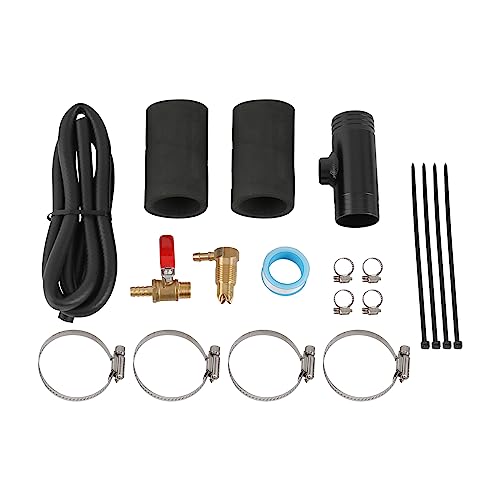
Auxiliary Fuel Tank Install Kit for Dodge Ram Diesel
RALZAOTO
Budget
ZTUOAUMA 7L Stainless Steel Fuel Tank for Diesel/Gas Engines
ZTUOAUMA
Budget
Auxiliary Diesel Fuel Tank Install Kit, 1.5
RALZAOTO
Budget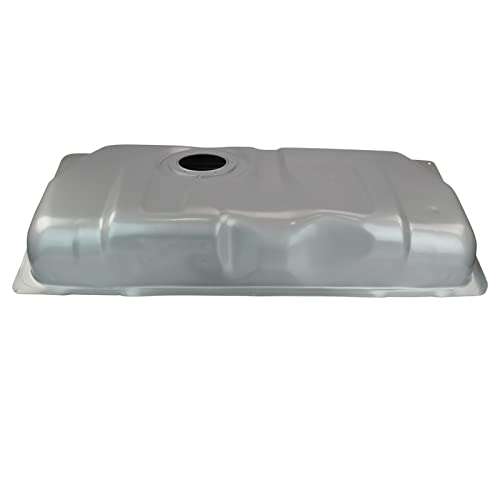
Gas/fuel tank 20 gal for 1998-2000 Ford Crown Victoria/Lincoln Town Car/MMV
TRQ
Premium
TRQ 17 gal gas fuel tank for 1984-1988 Toyota Pickup
TRQ
PremiumRoundups
Frequently Asked Questions
How do I know which replacement fuel tank fits my vehicle?
Check your vehicle's year, make, model, engine size, and OEM part number or vehicle compatibility list; compare inlet/outlet locations, mounting points, capacity, and fuel pump/sender compatibility to ensure fitment
What materials and construction should I look for in a fuel tank?
Common materials are stamped steel and roto-molded polyethylene; steel is durable and repairable but can rust, while polyethylene resists corrosion and is lighter—choose based on vehicle requirements and corrosion exposure
Do replacement tanks include fuel pumps, sending units, or mounting hardware?
Some tanks are sold as complete assemblies with pump and sender pre-installed, others are tank-only; always check the product description and parts included list and be prepared to transfer or separately purchase pump, sender, straps, gaskets, and hardware if not included
How much should I expect to pay for a replacement fuel tank?
Replacement fuel tanks typically span a wide range depending on material and whether they include pumps or senders; budget options can be under $100, many fall in the $100–$300 range, and assemblies with pumps can cost more
What are common signs that a fuel tank needs replacement instead of repair?
Signs include large rust-through holes, extensive corrosion around seams, irreparable cracks in plastic tanks, recurring fuel odor with visible leaks, or internal contamination that cannot be cleaned effectively
Are there installation or safety considerations I should know before replacing a fuel tank?
Work in a well-ventilated area, disconnect the battery, relieve fuel system pressure, properly drain and dispose of fuel, use proper lifting equipment for the tank, and replace seals and clamps to avoid leaks; consider professional installation if unsure
How can I extend the life of a replacement fuel tank?
Keep the tank clean of water and debris by using quality fuel and filters, avoid long-term storage with a partially empty tank to limit condensation, inspect straps and coatings for corrosion, and promptly fix any fuel system leaks