Automotive Replacement Ignition Tune-Up Kits
Replacement ignition and tune-up kits for cars, motorcycles, and small engines, including spark plugs, wires, caps, rotors, and coils. The category averages a 4.50 rating across ~20 products with prices typically $35–$105 and mid-range brand presence from TRQ, EPR Distribution, Honda, and Kawasaki
Top Products

Honda TRX 450 Foreman ATV Tune-Up Kit
Honda
Mid-Range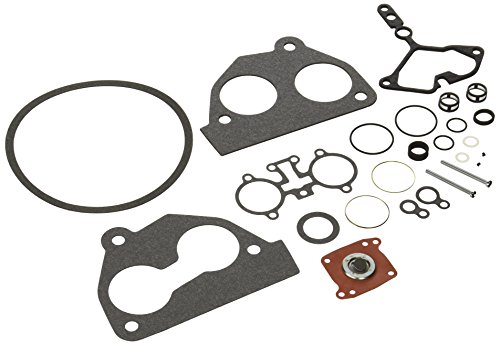
TBI Kit 1704 for automotive ignition tune-up
Standard Motor Products
Mid-Range
Honda TRX 500 Foreman ATV tune-up kit
Honda
Mid-Range
EPR Engine Maintenance Tune Up Kit for Kawasaki FX651V FX691V FX730V
EPR Distribution
Mid-Range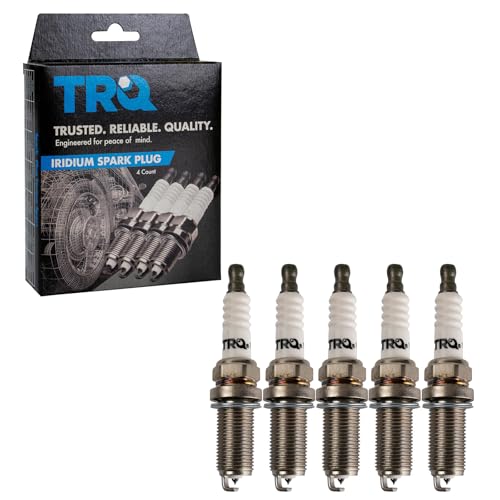
TRQ Iridium Spark Plugs 5-Piece Kit for Multiple Cars
TRQ
Budget
TRQ Iridium Spark Plugs Kit for 2000-2006 Honda Insight
TRQ
Budget
EPR 10w-40 Tune Up Kit for Kawasaki FR651V/FR691V/FR730V
EPR Distribution
Mid-Range
EPR Tune Up Kit for Kohler KT715-KT745 Engines
EPR Distribution
Mid-Range
TRQ Iridium Spark Plug Set 5-Pack for Various European Vehicles
TRQ
Mid-Range
TRQ Iridium Spark Plugs Kit 4-Piece Set
TRQ
Mid-Range
Kawasaki tune-up kit 99969-6543 for FR/FS 481V/541V/600V
Kawasaki
Mid-Range
Iridium spark plug tune-up kit 6-piece for V6/L6 engines
TRQ
Mid-Range
Kawasaki Tune Up Kit for FX651V/FX691V/FX730V
Kawasaki
Mid-Range
TRQ Iridium Spark Plugs Engine Tune Up Kit 8 Piece Set
TRQ
Mid-Range
TRQ Iridium Spark Plugs Kit for Jaguar XJ12/XJS
TRQ
Mid-Range
TRQ Iridium Spark Plugs Engine Tune-Up Kit (12 pc)
TRQ
Mid-Range
TRQ Iridium Spark Plug Set 16-Piece
TRQ
Mid-Range
TRQ Iridium Spark Plugs Engine Tune Up Kit 16 Piece
TRQ
Mid-Range
TRQ Iridium Spark Plug Set for Mercedes-Benz 98-08
TRQ
Mid-Range
TRQ Iridium Spark Plugs Engine Tune Up Kit 24-ct
TRQ
Mid-RangeRoundups
- Best Automotive Replacement Ignition Tune-Up Kits for Engine Tune-Up (2026)
- Best Automotive Replacement Ignition Tune-Up Kits Under $200 (2026)
- Best Automotive Replacement Ignition Tune-Up Kits Under $100 (2026)
- Best Automotive Replacement Ignition Tune-Up Kits Under $50 (2026)
- Best Automotive Replacement Ignition Tune-Up Kits (2026 Guide)
Frequently Asked Questions
What is included in a typical ignition tune-up kit and why those parts matter?
A typical kit includes spark plugs, ignition wires or coils, distributor cap and rotor (on older vehicles), and sometimes spark plug boots and connectors; these components ensure proper spark timing and delivery, which affects starting, idle smoothness, fuel economy, and emissions
How do I choose the right tune-up kit for my vehicle?
Select a kit by matching your vehicle make, model, engine size, and year to the kit's fitment; check whether your engine uses individual coil-on-plug units or a distributor/ignition wire setup and confirm part numbers against the manufacturer's specifications
Are aftermarket kits (TRQ, Standard Motor Products, EPR) reliable compared to OEM parts?
Reputable aftermarket brands often meet OEM specifications and can offer cost savings; reliability depends on brand quality, correct fitment, and proper installation, so choose well-reviewed parts and verify compatibility rather than assuming exact OEM interchangeability
What tools and skills are needed to install a tune-up kit myself?
Basic hand tools (ratchet, spark plug socket, torque wrench, screwdrivers), anti-seize or dielectric grease as recommended, and the ability to follow a service manual for firing order and torque specs are usually sufficient; more complex coil or distributor work may require intermediate mechanical skills
How often should I replace ignition components as part of preventive maintenance?
Follow your vehicle manufacturer's intervals for spark plugs (commonly 30,000–100,000 miles depending on plug type) and inspect ignition wires/coils every 30,000–60,000 miles or when symptoms appear; replace components sooner if you experience misfires, hard starting, rough idle, or reduced fuel economy
Can a bad ignition tune-up kit improve fuel economy and emissions?
Yes — worn or failing ignition components can cause misfires and incomplete combustion, which reduce fuel efficiency and increase emissions; replacing faulty spark plugs, wires, or coils can restore proper combustion and improve both fuel economy and emissions performance
What should I check if a new tune-up kit doesn't fix engine problems?
Verify correct parts and installation (proper spark plug gap and torque, correct wiring order), check related systems such as fuel delivery, air intake, vacuum leaks, and engine sensors (MAF, O2, crank/cam position), and scan for diagnostic trouble codes to pinpoint other causes