Automotive Replacement Oxygen Sensors
Replacement oxygen (O2) sensors for passenger vehicles and light trucks, including upstream and downstream sensors, connector types, and direct-fit or universal options. About 103 products indexed with average rating 4.26 and price range roughly $32–$135; brands include TRQ and Denso among others
Top Products
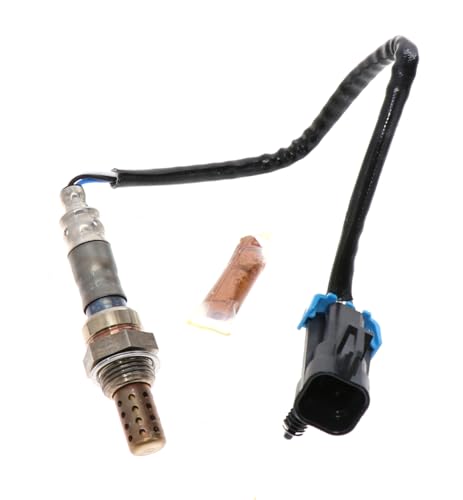
Denso Oxygen Sensor 234-4018 for Buick/Cadillac/Chevrolet/GMC/Oldsmobile/Pontiac
Denso
Budget
Bosch oxygen sensor for multiple GM vehicles
Bosch
Budget
GM Genuine Parts heated oxygen sensor 213-3866
GM GENUINE PARTS
Budget
GM Genuine Parts 213-4537 Heated Oxygen Sensor
GM GENUINE PARTS
Budget
Denso Oxygen Sensor 234-4261 for Toyota/Lexus (O2 sensor, vehicle-specific)
Denso
Mid-Range
Denso O2 Sensor 234-4260 for Toyota/Lexus (4-wire, 9.45in harness)
Denso
Mid-Range
GM Genuine Parts Heated Oxygen Sensor 213-1702
GM GENUINE PARTS
Mid-Range
Bosch Oxygen Sensor for Ford/ Lincoln (17321) premium OEM
Bosch Automotive
Mid-Range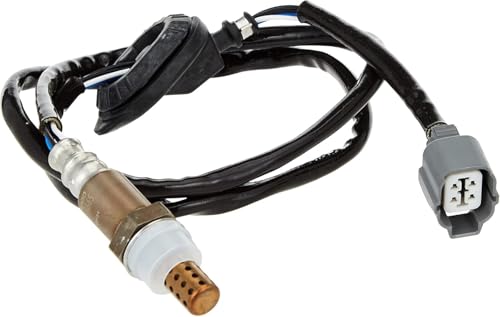
Denso O2 Sensor 234-4797 for Acura TSX/Honda Accord
Denso
Mid-Range
Denso O2 Sensor 234-4162 for Toyota 4Runner, Pickup, Sequoia
Denso
Mid-Range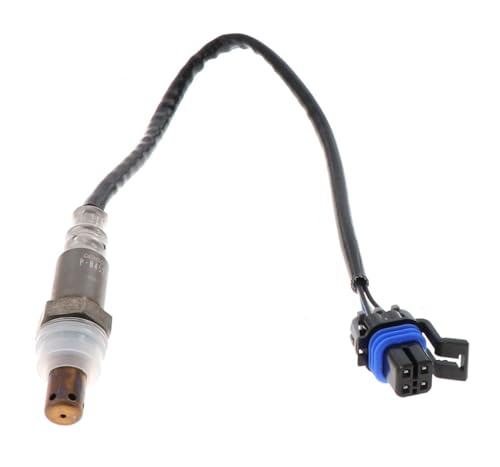
Denso Oxygen Sensor 234-4337 for Buick/Cadillac/CHEV/GMC/Hummer
Denso
Mid-Range
Walker 350-34039 Oxygen Sensor 4-Wire Direct Fit
Walker Products
Budget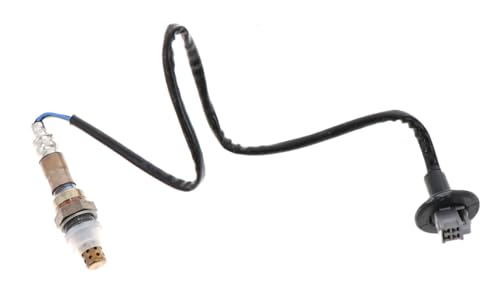
Denso Oxygen Sensor 234-4233 for Toyota Corolla/Matrix/Pontiac Vibe
Denso
Mid-Range
NTK Oxygen Sensor (23162) for vehicle fit
NTK
Mid-Range
Oxygen Sensor Upstream/Downstream 4Pcs for Ford/Mazda/ Lincoln
Gledewen
Mid-Range
Upstream and downstream O2 sensor set (2) for 2.4L Chevy/GMC Saturn
NECATUO
Budget
O2 Oxygen Sensor Upstream/Downstream for Acura ILX 2013-2014 (2PCS)
QIJIAUTO
Budget
GM Genuine Parts 12659516 Heated Oxygen Sensor
GM GENUINE PARTS
Mid-Range
Upstream O2 Oxygen Sensor 234-9135 compatible with Nissan Infiniti
NECATUO
Budget
Upstream and downstream oxygen sensor pack for Ford/Lincoln 04-08
NewYall
Mid-Range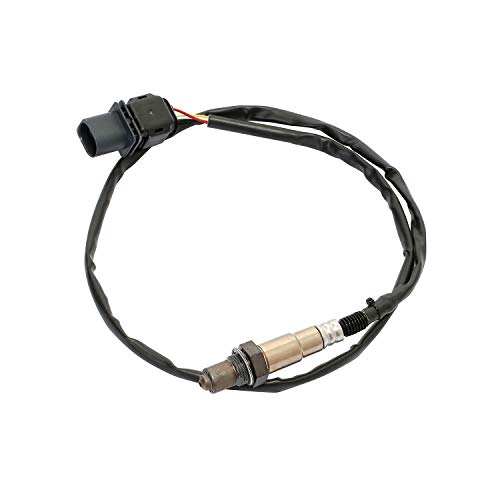
LSU 4.9 WideBand O2 Sensor for AEM UEGO Controller
Gledewen
Budget
234-9036 O2 Sensor for multiple Nissan/Infiniti models
NECATUO
Budget
Oxygen O2 Sensor 234-5097 compatible with Ford/Transit & Lincoln models
SYKRSS
Budget
Upstream and downstream O2 sensor kit for 2012-2016 Accent, Rio, Soul, Veloster
HTMXJA
BudgetRoundups
Frequently Asked Questions
How do I know which oxygen sensor fits my vehicle?
Match the sensor to your vehicle by year, make, model, engine size, and exhaust configuration; check whether the sensor is upstream (pre-cat) or downstream (post-cat) and confirm connector type and thread size to ensure direct compatibility or a proper universal fit with the correct wiring harness
What are the main differences between OEM and aftermarket oxygen sensors?
OEM sensors are built to a vehicle maker's original specifications and may offer guaranteed fit and performance, while aftermarket sensors vary in quality, materials, and calibration—compare brand reputation, sensor element type (zirconia vs. titania), and warranty rather than assuming aftermarket equals inferior
How long do oxygen sensors typically last and what are common failure signs?
Oxygen sensors commonly last 30,000–100,000 miles depending on type and driving conditions; failure signs include a check engine light with O2-related codes, poor fuel economy, rough idle, failed emissions tests, or noticeable black exhaust smoke
Can I replace a faulty oxygen sensor myself and what tools are needed?
Many sensors are user-replaceable with basic tools: an O2 sensor socket or open-end wrench, penetrating oil for seized threads, and possibly a jack and stands for access; follow torque specs and anti-seize guidance, or consult a repair manual if you're unsure
Should I replace one or both sensors when I have an upstream or downstream failure?
Replace the failed sensor first; consider replacing paired sensors on the same bank if they have similar mileage or wear for consistent readings, but it's not always necessary to replace both unless diagnostics or age indicate degradation
How do sensor types (heated vs. unheated) affect performance and installation?
Heated oxygen sensors (with an internal heater and extra wires) reach operating temperature faster for accurate readings at cold start and are required where original equipment used them; ensure the replacement matches the original type and connector to maintain system function
What should I look for in warranty and quality indicators when choosing a sensor?
Choose sensors with clear warranty terms, corrosion-resistant housings, known sensor element materials, and manufacturers with track records in emission components; user ratings and verified fitment listings also help assess reliability