Automotive Replacement Shocks
Replacement shocks for cars, trucks, and SUVs including struts and shock absorber assemblies for ride control and suspension repair. The category spans budget through premium options (about $33–$473, average ~(price varies)) and features brands like Gabriel among others. Average user rating across 310 products is 4.38 stars
Top Products

Gabriel load carrier front shocks for multiple makes (1 pair)
Gabriel
Mid-Range
Gabriel 34057 Load Carrier Front Towing Shock Absorbers
Gabriel
Mid-Range
Gabriel Load Carrier Front Towing Shock Absorbers
Gabriel
Mid-Range
Gabriel front towing shock absorbers for Ford/Mazda (1 pair)
Gabriel
Mid-Range
Gabriel rear towing shock absorbers for Ford/Mazda fit
Gabriel
Mid-Range
Gabriel load carrier rear towing shock absorbers for multiple GM models
Gabriel
Mid-Range
Gabriel 43181 Load Carrier Rear Towing Shock Absorbers
Gabriel
Mid-Range
Gabriel rear towing shock absorbers for multiple makes (1 pair)
Gabriel
Mid-Range
Gabriel 34036 front load carrier shocks (1 pair) for Chevy & GMC
Gabriel
Mid-Range
Gabriel rear towing shock absorbers for multiple vehicles
Gabriel
Mid-Range
Gabriel load carrier rear towing shock absorbers for GM pickups
Gabriel
Mid-Range
Gabriel rear towing shocks for Chevy & GMC (1 pair)
Gabriel
Mid-Range
Gabriel load carrier rear towing shock absorbers for ford explorer & mercury mountaineer
Gabriel
Mid-Range
Gabriel shocks absorbers for Ford Bronco and F-series (1 pack)
Gabriel
Budget
Gabriel 43180 Rear Towing Shock Absorbers for GM SUVs
Gabriel
Mid-Range
Gabriel G63620 Ultra Rear Truck Shocks Absorbers for 91-97 Toyota Previa
Gabriel
Budget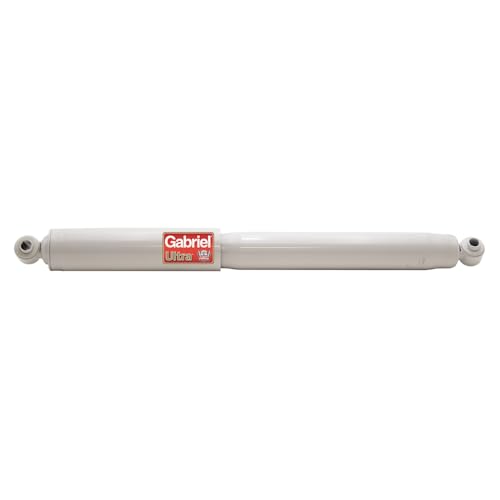
Gabriel G64121 Ultra Truck Rear Shock Absorbers for Silverado Sierra 2500-3500
Gabriel
Budget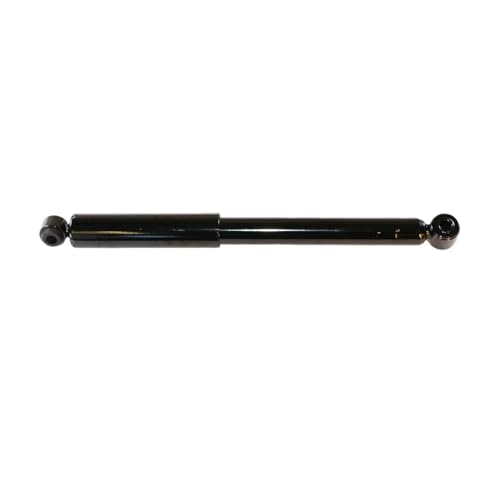
Gabriel G64028 rear shock absorbers for Mitsubishi Montero Sport
Gabriel
Budget
Gabriel G63674 front shock absorbers for Dodge Ram 94-02 4WD/3500 RWD
Gabriel
Mid-Range
Gabriel Ultra Truck Rear Shock Absorbers for Lexus Land Cruiser 96-97
Gabriel
Mid-Range
Gabriel G63781 Ultra Truck Rear Shock Absorbers for Mitsubishi Montero
Gabriel
Mid-Range
Gabriel G64000 Ultra Truck Rear Shock Absorbers for Suburban 3500 HD & H2
Gabriel
Mid-Range
Gabriel front shock absorbers for multiple pickups
Gabriel
Budget
Monroe suspension shock absorber for Silverado 2500/1500HD
Monroe
Mid-RangeRoundups
- Best Automotive Replacement Shocks for Hauling Trailers (2026)
- Best Automotive Replacement Shocks for Towing Trailers (2026)
- Best Automotive Replacement Shocks Under $200 (2026)
- Best Automotive Replacement Shocks Under $100 (2026)
- Best Automotive Replacement Shocks Under $50 (2026)
- Best Automotive Replacement Shocks (2026 Guide)
Frequently Asked Questions
How do I choose the right replacement shocks for my vehicle?
Match shocks to your vehicle make, model, year, and axle position (front/rear); choose between types (twin-tube, monotube, gas-charged, or coilover) based on ride comfort and performance needs, and verify load rating and mounting style match the originals
What are the main differences between budget and premium shocks?
Budget shocks typically offer basic damping for everyday driving and lower prices, while premium shocks use higher-quality materials, improved valving and gas charging for longer life, better heat dissipation and more consistent performance under heavy use
Can I replace shocks myself, and what tools or skills are required?
Many owners can replace shocks with basic tools (jack stands, socket set, torque wrench) and moderate mechanical skill; front struts or vehicles with integrated components may require spring compressors or professional service for safety
When should shocks be replaced and what signs indicate failure?
Replace shocks if you notice excessive bouncing, nose-diving under braking, uneven tire wear, fluid leaks, or a rough ride; manufacturers also recommend inspection around 50,000 miles though service life varies with driving conditions
Are shock absorbers sold individually or in sets, and should I replace them in pairs?
Shocks are often sold individually or in axle-matched pairs; replacing both shocks on the same axle at the same time ensures balanced handling and more even wear, so pairs are generally recommended
How do load and towing affect shock selection?
Vehicles that frequently carry heavy loads or tow should use shocks with higher load capacity or specifically rated heavy-duty/towing shocks to maintain control, reduce bottoming, and preserve suspension geometry under weight
What maintenance extends the life of replacement shocks?
Keep suspension components and mounting hardware clean and properly torqued, avoid chronic overloading, inspect for leaks or damage regularly, and address worn bushings or mounts promptly to prevent premature shock failure