Automotive Reservoirs
This Automotive Reservoirs category covers replacement and aftermarket coolant, windshield, brake, and overflow reservoirs and related caps and sensors for cars and trucks. About 80 products are indexed with an average rating of 4.53 and prices ranging roughly $33–$121, including brands such as TRQ
Top Products

RULLINE 350ml Universal Oil Catch Can with Bracket
RULLINE
Mid-Range
Engine coolant expansion reservoir for Escape/Merlinr (2007-2012/2007-2011)
BDFHYK
Budget
Engine coolant expansion reservoir for 2000-2007 Taurus/Mercury Sable
BDFHYK
Mid-Range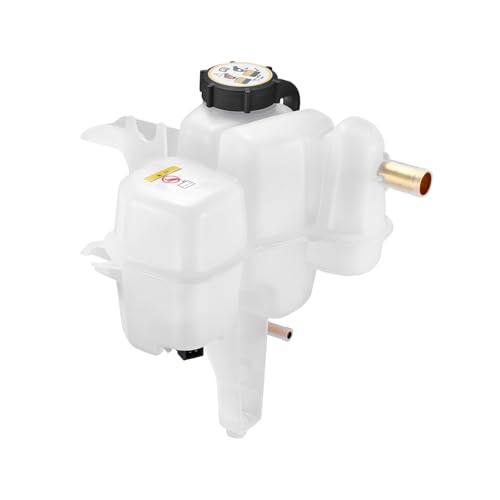
Engine coolant expansion reservoir for 3.0L V6 Ford/Mazda Mercury
BDFHYK
Budget
Engine coolant expansion reservoir for 4.6L Ford/Lincoln/Mercury (1998-2011)
BDFHYK
Mid-Range
TRQ Radiator Coolant Reservoir for Audi TT/Volkswagen
TRQ
Mid-Range
TRQ Mercedes Engine Coolant Reservoir, OE replacement
TRQ
Mid-Range
TRQ Engine Coolant Reservoir Bottle for Mercedes
TRQ
Mid-Range
MuGe Racing Carbon Fiber Oil Catch Can Kit Universal 400ml
muge racing
Budget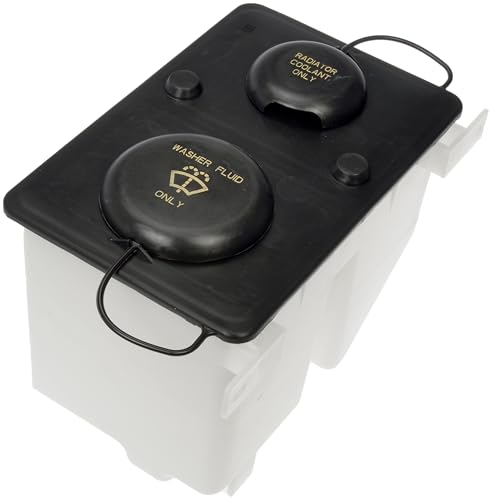
Dorman Front Coolant and Washer Fluid Reservoir with Cap Assembly
Dorman
Mid-Range
Windshield Washer Reservoir for GM SUVs and Trucks
TRQ
Mid-Range
Dorman Front Pressurized Coolant Reservoir with Cap for Ford
Dorman
Mid-Range
Muge Racing Carbon Fiber Oil Catch Can Kit (400ml) with Breather Filter
muge racing
Budget
Dorman Front Pressurized Coolant Reservoir with Cap for Ford
Dorman
Mid-Range
Garage-Pro Washer Reservoir with Pump for Chevy Silverado/Sierra 1999-2006
Garage-Pro
Mid-Range
Windshield Washer Reservoir for Honda CR-V (1997-2001) by TRQ
TRQ
Mid-Range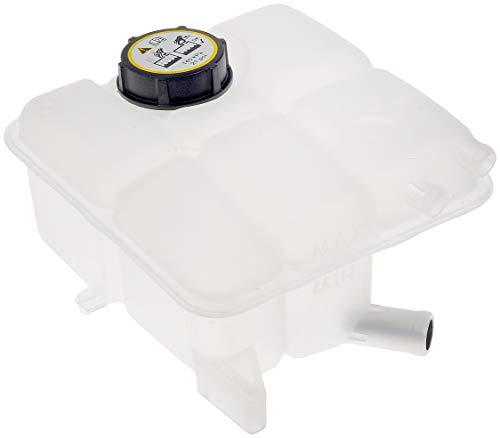
Dorman Front Pressurized Coolant Reservoir with Cap for Ford
Dorman
Budget
TRQ Windshield Washer Reservoir for 2001-2006 Hyundai Elantra
TRQ
Mid-Range
EVIL ENERGY 300ML Baffled Oil Catch Can Kit
EVIL ENERGY
Budget
Front Pressurized Coolant Reservoir with Cap for select Cadillac/Chevrolet/GMC
Dorman
Mid-Range
Windshield Washer Reservoir for 2016-2018 Fiat 500X / 2015-2018 Jeep Renegade
TRQ
Mid-Range
TRQ Windshield Washer Reservoir for 2010-2013 Mazda 3
TRQ
Mid-Range
Windshield Washer Reservoir for 2014-2016 Kia Forte
TRQ
Mid-Range
TRQ windshield washer reservoir compatible with Hyundai Santa Fe
TRQ
Mid-RangeRoundups
Frequently Asked Questions
What types of automotive reservoirs are available and how do I choose the right one for my vehicle?
Common types include coolant/overflow reservoirs, power steering reservoirs, windshield washer reservoirs, and brake fluid reservoirs; choose by matching the reservoir type to the system, verify OEM or aftermarket compatibility with your vehicle make, model, year, and engine, and confirm mounting points and hose connections align with your vehicle
How can I check compatibility before buying an aftermarket reservoir?
Verify part numbers or cross-reference fitment lists from the seller, compare dimensions and inlet/outlet locations to your existing reservoir, and consult your vehicle owner’s manual or repair guides to confirm capacity and mounting requirements
What materials and features should I look for in a durable reservoir?
Look for reservoirs made from high-density polyethylene (HDPE) or reinforced plastic that resist heat and chemical exposure, clear or translucent bodies for easy fluid-level visibility, secure cap seals or pressure-tested caps for systems that require pressurization, and durable mounting points
Are there budget-friendly options and what trade-offs should I expect?
Budget reservoirs are frequently available under $50 and often offer basic fit and function; trade-offs can include thinner plastic, fewer included fittings or caps, and shorter warranty coverage compared with higher-priced options
How do I install a replacement reservoir and when should I replace it?
Install by draining the system if required, disconnecting hoses and electrical senders, transferring or replacing fittings, securing the new reservoir to existing mounts, and refilling and bleeding the system as specified in the vehicle manual; replace when you see cracks, leaks, warped mounting tabs, cloudy or contaminated plastic, or malfunctioning level sensors
What maintenance is required to extend the life of an automotive reservoir?
Regularly inspect for cracks and leaks, keep fluid levels within the recommended range, use the specified fluid type to avoid chemical degradation, clean or replace caps and seals as needed, and flush the system according to vehicle service intervals
Do aftermarket reservoirs affect vehicle sensors or warning lights?
A correctly matched aftermarket reservoir should not affect sensors; however, if the reservoir lacks the proper sender boss or if electrical connectors are not transferred or compatible, you may get incorrect level readings or warning lights, so ensure sensor compatibility or transfer the original sender