Battery Chargers
Battery Chargers in Auto & Garage covers lead‑acid and lithium battery chargers, maintainers, jump starters, and multi‑stage smart chargers for cars, trucks, motorcycles, and small equipment. The 201 indexed products average 4.43 stars, with prices ranging from $33 to $999 (avg $108); top brands include Schumacher Electric and Battery Tender
Top Products

Battery Tender Junior 12V Charger and Maintainer
Battery Tender
Mid-Range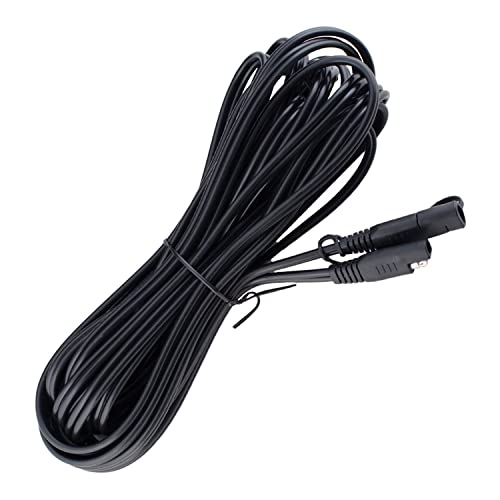
Battery Tender 25 ft SAE Extension Cable
Battery Tender
Budget
Battery Tender Plus 12V Battery Charger & Maintainer
Battery Tender
Mid-Range
GENIUS1 1A 6V/12V smart battery charger maintainer
NOCO
Budget
NOCO GENIUS2 2A 6V/12V Smart Battery Charger
NOCO
Mid-Range
Battery Tender 800 SuperSmart Battery Charger
Battery Tender
Mid-Range
NOCO GENIUS5 5A 6V/12V smart battery charger
NOCO
Mid-Range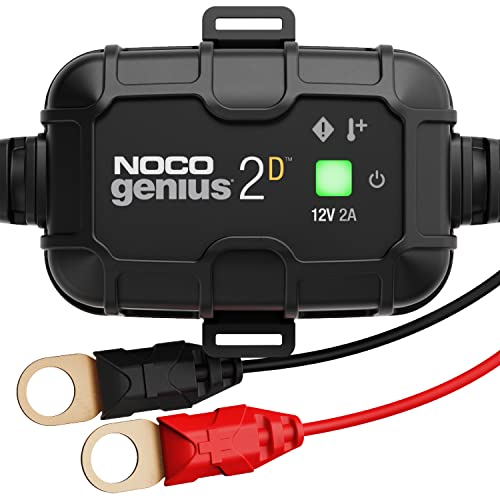
NOCO GENIUS2D 2A 12V Onboard Battery Charger
NOCO
Mid-Range
Schumacher 4-in-1 15A Battery Charger & Maintainer
Schumacher Electric
Mid-Range
MOTOPOWER 12V 800mA Charger Maintainer Desulfator (2 Pack)
MOTOPOWER
Budget![[2-Pack] FOVAL 12V Automatic Trickle Charger, 1000mA Battery Maintainer](https://m.media-amazon.com/images/I/51pJBExH6JL._SL500_.jpg)
[2-Pack] FOVAL 12V Automatic Trickle Charger, 1000mA Battery Maintainer
FOVAL
Budget
Battery Tender Plus 12V charger and maintainer
Battery Tender
Mid-Range
Battery Tender 4A Battery Charger and Maintainer
Battery Tender
Mid-Range
WORX 18V/20V Quick 60-Min Charger
WORX
Mid-Range![[4-Pack] Trickle Charger 12V 1100mA Smart Battery Maintainer](https://m.media-amazon.com/images/I/51321L7ucTL._SL500_.jpg)
[4-Pack] Trickle Charger 12V 1100mA Smart Battery Maintainer
LEICESTERCN
Mid-Range
NEXPEAK NC201 10-Amp Battery Charger Maintainer
NEXPEAK
Budget
BatteryMINDer 1500 12V Battery Charger Maintainer Desulfator
BatteryMINDer
Mid-Range
Upgraded 8V Battery Charger for golf cart & 6/8/12/14/16/24V lead-acid batteries
AUTOUTLET
Budget
Schumacher 3A Car Battery Charger & Maintainer SP1297
Schumacher Electric
Mid-Range
Schumacher 6A Car Battery Charger and 100A Engine Starter (5-in-1)
Schumacher Electric
Mid-Range
Battery Tender Junior 6V Charger and Maintainer (6V)
Battery Tender
Mid-Range
BatteryMINDer 12V Battery Charger and Maintainer
BatteryMINDer
Mid-Range
ULTRAPOWER 4-Amp LiFePO4 Battery Charger 12.8-14.6V
ULTRA POWER
Budget
Craftsman 12A Car Battery Charger and Maintainer 4-in-1
CRAFTSMAN
Mid-RangeRoundups
Frequently Asked Questions
How do I choose the right battery charger for my vehicle?
Match the charger’s output and type to your battery: use a 6V charger for older vehicles with 6V batteries and a 12V charger for most modern cars. Choose a charger whose amp rating fits your need — 1–3 A for maintenance/trickle charging, 4–10 A for regular recharging, and 10+ A for faster charging or jump starts — and ensure compatibility with battery chemistry (lead-acid flooded, AGM, gel, or lithium)
What’s the difference between a simple charger, a smart/automatic charger, and a jump starter?
Simple chargers deliver a constant current and require manual monitoring to avoid overcharging; smart/automatic chargers use microprocessors to adjust voltage/current and include features like multi-stage charging, desulfation, and automatic shutoff; jump starters provide high current to start a vehicle quickly and may include integrated chargers or power-bank features but are primarily for immediate starts rather than prolonged charging
Are charger features like float mode, desulfation, and battery diagnostics important?
Yes — float/maintenance (trickle) mode prevents overcharging during long-term connection, desulfation helps recover some sulfated lead-acid batteries, and diagnostics can identify bad cells or reversed polarity; these features extend battery life and reduce user error, especially for seasonal or infrequently used vehicles
What safety and compatibility checks should I perform before charging?
Verify voltage and chemistry compatibility, inspect battery and terminals for damage or leaks, ensure correct clamp polarity, work in a well-ventilated area away from sparks, and follow the charger’s instructions for connection order and grounding; choose a charger with built-in protections for reverse-polarity, overcurrent, and over-temperature when possible
How long does it take to charge a car battery?
Charging time depends on battery capacity (amp-hours), state of charge, and charger current; as a rule of thumb, divide the battery’s remaining amp-hours by the charger’s amp output (e.g., a 50 Ah battery 50% discharged has ~25 Ah to replace — on a 5 A charger that takes ~5 hours), with slower chargers and maintenance modes taking longer but being gentler on the battery
Should I choose a charger with settings for lithium batteries?
Only use chargers specifically rated for lithium batteries when charging lithium chemistries; lithium batteries require different charge profiles and protections (cell balancing, precise voltage cutoffs) than lead-acid types, and using the wrong charger can damage the battery or create safety risks
How do I maintain a battery and charger to maximize lifespan?
Keep battery terminals clean and tight, store batteries charged or on a maintenance/float program during long storage, avoid deep discharges when possible, regularly inspect charger cables and clamps for damage, and follow manufacturer guidance for storage temperature and periodic charging