Body Repair & Restoration Adhesives
Adhesives for automotive body repair and restoration, including panel bonders, seam sealants, and specialty gap-fill glues for metal, fiberglass, and trim. Mid-range pricing (about $35–$80) across brands like 3M; 26 products indexed with an average rating of 4.51
Top Products

3M Auto Glass Urethane Windshield Adhesive, Medium Viscosity, 310 mL/10.5 fl oz (2-pack)
3M
Mid-Range
Permatex Flowable Silicone Windshield Sealer, 1.5 oz (12-pack)
Permatex
Mid-Range
Barrier Bond Brushable Seam Sealer, Quart
Custom Shop
Mid-Range
Windo-Weld Round Ribbon Sealer 3/8 in x 15 ft Kit
3M
Budget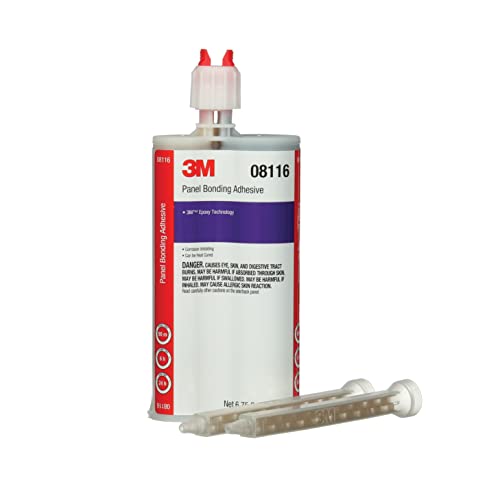
3M Panel Bonding Adhesive 08116 epoxy 200 ml
3M
Mid-Range
3M Heavy-Bodied Seam Sealer 08308 Two-Part Self-Mixing Epoxy 200 ml
3M
Mid-Range
3M Automotive Adhesion Promoter (06396)
3M
Mid-Range
RapidFix UV Fiber Repair Patch 9x12
Tear Mender
Budget
3M Super Fast Plastic Repair Epoxy Adhesive
3M
Mid-Range
3M Fast-Setting Repair Adhesive 04747, Translucent, 2-Component
3M
Budget
Klean-Strip Bulldog Adhesion Promoter for Polyolefin Plastics
KLEAN-STRIP
Mid-Range
All-Metal Body Filler with Hardener (1-quart) USC-14060
U.S. Chemical & Plastics
Mid-Range
Polymix Metal Panel Bond 60 Adhesive 200ml
Polymix
Budget
3M EZ Sand Two-Part Epoxy Finishing Adhesive
3M
Mid-Range
U-418 Primerless Urethane Adhesive Kit (4 Tubes)
Betaseal
Mid-Range
Liquid Nails Roof Repair RR808, 10.3 oz (Pack of 4)
Liquid Nails
Mid-Range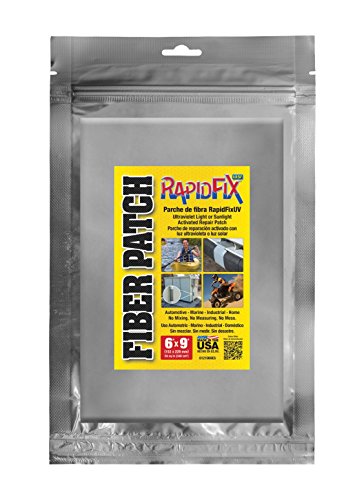
RapidFix UV Fiber Repair Patch 6x9 by Tear Mender
Tear Mender
Budget
Betaseal U-418 Dow Auto Glass Primerless Urethane
Betaseal
Budget
Betaseal U-418 Primerless Auto Glass Urethane (6-pack)
Betaseal
Mid-Range
Liquid Nails Roof Repair RR808, 10.3 oz (Pack of 6)
Liquid Nails
Mid-Range
Pro Bond Adhesive Promoter for Vinyl, Wraps, Window Tint
Dawn Enterprises
Mid-Range
U-418 Dow Auto Glass Primerless Urethane/Adhesive
Betaseal
Mid-Range
3M 04747 Two-Component Urethane Adhesive (Translucent) 47.3 mL/1.6 fl oz per pack
3M
Mid-Range
Urethane windshield adhesive - fast curing sealant (12 pack)
Akfix
Mid-RangeRoundups
Frequently Asked Questions
What types of adhesives are used for body repair and restoration, and how do I choose the right one?
Common types include structural epoxies for metal-to-metal bonds, polyurethane and MS polymers for flexible seams and panels, acrylic and cyanoacrylate adhesives for quick small repairs, and specialized seam sealers for joints. Choose based on substrate (metal, plastic, glass), required strength, flexibility, cure time, and whether the area will be painted or exposed to heat or chemicals
Can these adhesives replace welding or mechanical fasteners on vehicle body panels?
Some structural epoxies and high-strength adhesives are designed to complement or replace spot welds and rivets by distributing load and preventing corrosion, but suitability depends on load requirements, safety regulations, and the specific repair; critical structural components often still require welding or factory-approved methods
How should I prepare surfaces before applying body repair adhesives?
Clean with a suitable solvent to remove oil, wax, and contaminants, mechanically abrade glossy surfaces for adhesion, remove rust or loose paint, and ensure surfaces are dry and fit together with the recommended gap and clamping if required. Follow manufacturer instructions for primer or activator use when specified
How do I choose an adhesive on a budget and what price ranges should I expect?
Budget options for minor repairs and seam sealing are commonly available under $50, while higher-performance structural adhesives and larger cartridges can cost more; prioritize required performance (strength, flexibility, temperature resistance) over for safety-critical repairs
Are these adhesives resistant to heat, water, and automotive chemicals?
Resistance varies by chemistry: epoxies and polyurethane-based adhesives generally offer good heat and chemical resistance, MS polymers provide water and UV resistance, and some products are formulated for automotive fluids; always check product specifications for temperature range, chemical exposure, and long-term durability
What safety and disposal precautions should I follow when using body repair adhesives?
Use in a well-ventilated area, wear appropriate gloves and eye protection, avoid skin contact and inhalation of fumes, follow manufacturer safety data sheets for first aid, and dispose of unused adhesive and containers according to local hazardous-waste regulations