Brake Fluids
Brake fluids for automotive and garage use, including DOT-spec hydraulic fluids, high-temperature racing formulas, and silicone-based options. The 14 indexed products average a 4.79 rating and span budget through premium price points (about $34–$959), with brands like Motul represented
Top Products

Motul RBF 600 DOT-4 Racing Brake Fluid 500ml (2 pack)
Motul
Budget
Motul 5 Pack 100951 100% Synthetic Brake Fluid DOT 5.1 (1/2 L) 500 ml
Motul
Mid-Range
Johnsen's Premium Synthetic DOT-4 Brake Fluid - 1 Gallon
Johnsen's
Budget
Motul RBF 600 Factory Line brake fluid - 2 pack
Motul
Budget
MAG 1 00121 DOT3 Brake Fluid - 1 Gallon
Mag 1
Budget
Castrol SRF Racing Brake Fluid - 1 Liter
Castrol
Mid-Range
Motul DOT 5.1 High Temp Brake Fluid (3 Pack)
Motul
Budget
Endless RF 650 Racing Brake Fluid
Endless
Mid-Range
Genuine OEM Brake Fluid DOT 3 2 Quarts Kit for Honda
Newparts
Budget
Wilwood Hi-Temp 570 Racing Brake Fluid (6 pack)
Wilwood
Mid-Range
DOT 3 Premium Brake Fluid - 5 Gallon (Mag 1)
Mag 1
Premium
Motul RBF 660 Racing DOT 4 Brake Fluid MOT-101667
Motul
Premium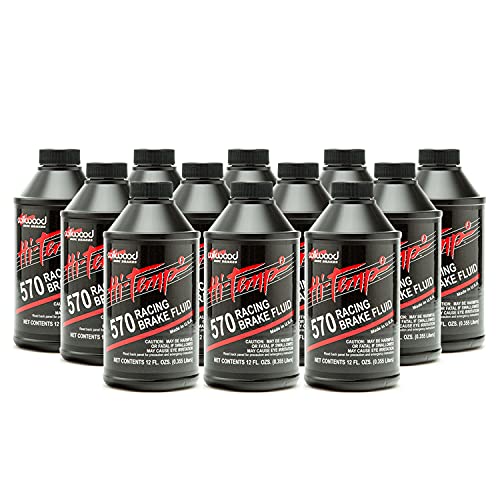
Wilwood Brake Fluid DOT 3 Hi-Temp 570°F 12 oz
Wilwood
Premium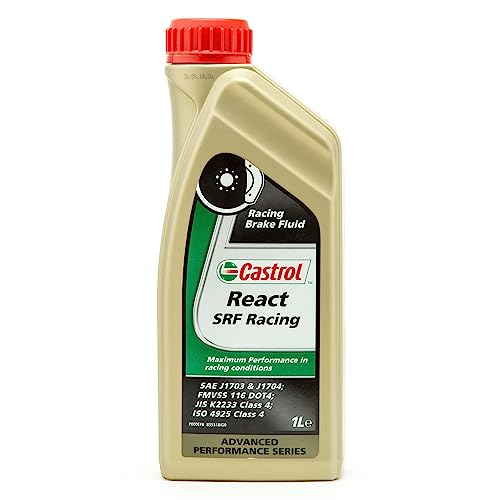
Castrol SRF Brake Fluid - 12 (Case)
Castrol
PremiumRoundups
Frequently Asked Questions
How do I choose the right brake fluid type for my vehicle?
Check your vehicle owner's manual for the manufacturer-specified fluid type (commonly DOT 3, DOT 4, DOT 5.1 or silicone DOT 5); match the DOT rating and viscosity recommendations and never mix glycol-based fluids (DOT 3/4/5.1) with silicone DOT 5
What does the DOT rating mean and why does it matter?
DOT ratings indicate minimum boiling points and base chemistry: DOT 3, 4 and 5.1 are glycol-based with increasing wet/dry boiling points, while DOT 5 is silicone-based with different properties; choose a rating that meets or exceeds the vehicle manufacturer's requirement for performance and safety
How often should I change my brake fluid?
Most manufacturers recommend changing glycol-based brake fluid every 1–2 years or when moisture content and performance degrade; check service intervals in your manual and monitor for spongy pedal, which can indicate moisture contamination
Are higher-priced brake fluids worth it for daily driving?
Higher-priced fluids often offer higher boiling points and better thermal stability useful for performance or towing, but for routine daily driving, a mid-range DOT-compliant fluid that meets your vehicle's spec is typically sufficient
Can I top off brake fluid instead of flushing it?
Topping off can temporarily restore level but does not remove water or contaminants; a full flush is recommended when fluid is contaminated, discolored, or past the recommended service interval
Is it safe to mix different brands of the same DOT-rated brake fluid?
Mixing different brands of the same glycol-based DOT rating is generally acceptable because they share base chemistry, but avoid mixing different DOT chemistries (e.g., DOT 5 with DOT 4) and follow OEM guidance
What safety and storage precautions should I follow with brake fluid?
Store brake fluid in a tightly sealed, labeled container away from moisture and heat; avoid skin and paint contact, clean spills immediately, and dispose of used fluid per local hazardous-waste regulations